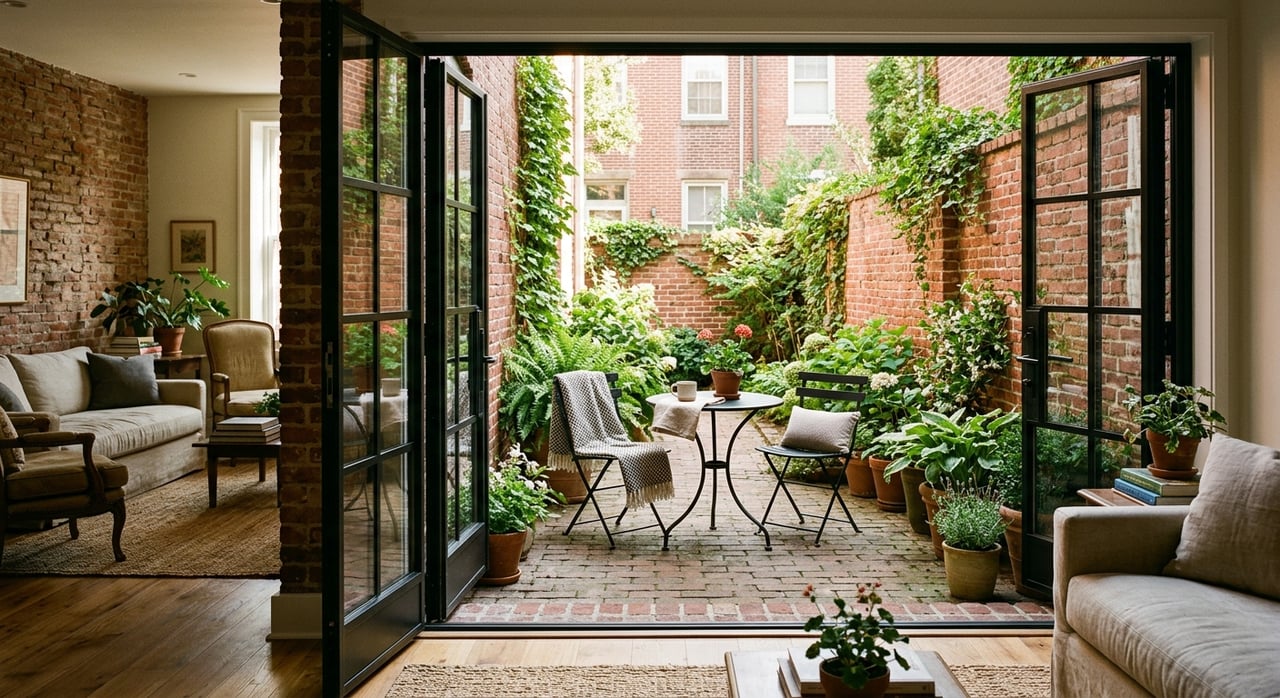
By The Tom Buerger Team
Washington, D.C., is one of the most historically rich cities in the country, and its residential architecture reflects centuries of detail, ambition, and identity. From the brick rowhouses of Capitol Hill to the grand Federalist facades of Georgetown, many D.C. homeowners are the stewards of properties that carry real historical weight. That responsibility is one of the most rewarding parts of owning a home in this city — and one of the most complex.
Updating a historic home requires a fundamentally different approach than renovating a newer build. The goal is not to erase what makes the property special but to build on it. When done thoughtfully, modern updates can honor original architectural details while making a home significantly more functional, energy-efficient, and livable for today's standards. The challenge is knowing where to start, what to preserve, and how to find the right balance between past and present.
Whether you've recently purchased a pre-war rowhouse or you've lived in a Victorian home for years and are finally ready to renovate, this guide will walk you through the most important considerations for updating a historic D.C. home without compromising its character.
Key Takeaways
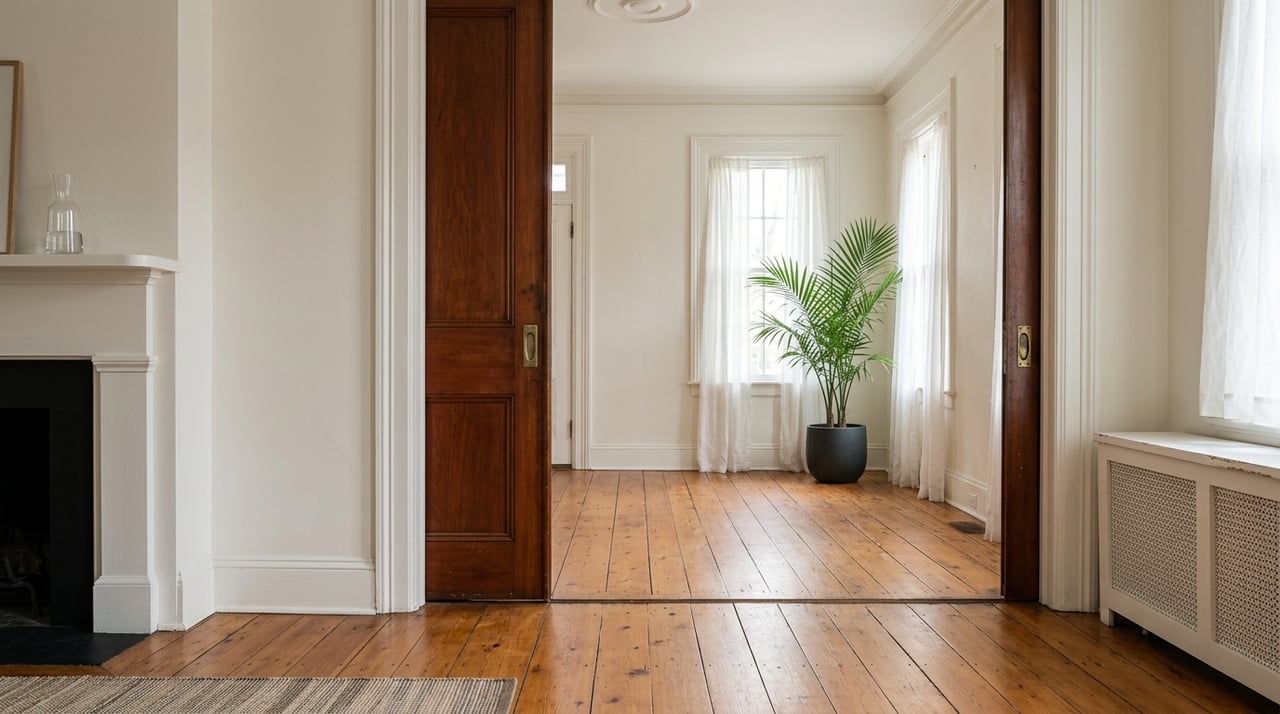
- Preserving original architectural details, such as crown molding, original hardwood floors, and wood windows, adds long-term value and protects the home's historic integrity.
- Many historic D.C. properties fall under the jurisdiction of the Historic Preservation Review Board (HPRB) or are in historic districts, which means exterior changes require a permit or Certificate of Appropriateness.
- Modern updates to kitchens, bathrooms, and mechanical systems can be integrated without disrupting the character of older homes when materials and finishes are chosen carefully.
- Energy efficiency improvements, including insulation, HVAC upgrades, and window restoration, are possible in historic homes without removing or replacing original features.
- Working with contractors who have specific experience in historic renovation is critical to getting results that respect the property's original construction methods.
Understanding D.C.'s Historic Preservation Rules Before You Renovate
Before any hammer swings, it's worth understanding the regulatory landscape. Washington, D.C., has one of the most active historic preservation programs in the country. The city is home to more than 70 historic districts and many individually landmarked properties, overseen by the Historic Preservation Office (HPO) and the Historic Preservation Review Board.
If your home is located within a historic district or is individually designated, exterior changes — including alterations to windows, doors, rooflines, porches, and facades — typically require a Certificate of Appropriateness (CoA) before work can begin. Interior renovations are generally not regulated by preservation rules, though some properties may carry deed restrictions or easements that introduce additional limitations.
The permitting process in D.C. can be lengthy, and misunderstanding the requirements is one of the most common reasons that renovation projects stall. Before you finalize any plans, it's worth consulting with the HPO directly or working with a contractor who is already familiar with the CoA process.
What to Confirm Before Starting Work
- Verify whether your property is individually landmarked or located within a historic district.
- Confirm which exterior changes require a Certificate of Appropriateness, and build that timeline into your project schedule.
- Request a pre-application meeting with the HPO if your renovation involves significant facade alterations; this step can save months of back-and-forth.
- Check whether the property carries any preservation easements or deed restrictions that go beyond standard HPO oversight.
- Ask your contractor for documentation of past projects in D.C. historic districts to confirm that they understand the approval process.
How to Update the Kitchen Without Losing the Home's Historic Feel
The kitchen is one of the most common areas homeowners want to modernize, and it's also one of the most visible tests of whether a renovation respects the existing character of a home. In a historic D.C. rowhouse or Victorian, the kitchen may be smaller and more compartmentalized than what today's buyers expect, but that doesn't mean that a full reconfiguration is necessary.
The most successful kitchen updates in historic homes take cues from the era and architectural style of the property. Cabinet profiles, hardware, countertop materials, and tile selections all carry visual weight. Shaker-style cabinetry, for example, works well in Federal and Greek Revival homes. Unlacquered brass or aged bronze hardware reads as period-appropriate without feeling like a costume. The goal is to achieve a kitchen that feels elevated and functional while remaining in conversation with the rest of the house.
Where structural changes are possible, opening a wall between the kitchen and a rear sitting room or adding a pass-through can dramatically improve flow without requiring a full-gut renovation. If the home has original butler's pantry details, preserving those rather than removing them adds character that newer builds simply cannot replicate.
Finishes and Materials That Work Well in Historic Kitchens
- Honed marble or soapstone countertops offer a softer, more period-appropriate look than high-gloss quartz in homes built before 1940.
- Inset cabinetry, where the doors sit flush with the cabinet frame, is more labor-intensive but creates a more refined and historically sympathetic look than standard overlay doors.
- Subway tile in a traditional 3x6 format, particularly in matte or slightly textured finishes, suits the scale of kitchens in rowhouses and pre-war apartments.
- Exposed brick, if present, is worth preserving or carefully restoring rather than painting over or covering with drywall.
- Period-appropriate light fixtures, including lantern pendants or simple schoolhouse shades, reinforce the home's architectural era without requiring extensive electrical work.
Modernizing Mechanical Systems While Protecting Original Details
One of the most urgent updates in any historic home is typically the mechanical infrastructure: HVAC, plumbing, and electrical. Homes built before 1950 were not designed with modern load demands in mind, and many D.C. rowhouses and Victorian properties still carry original knob-and-tube wiring or cast iron plumbing that requires replacement.
The challenge with mechanicals in historic homes is routing. Older homes were built without the chase systems, drop ceilings, or utility corridors that make it easier to run new ductwork or wiring in modern construction. A skilled contractor with historic renovation experience will know how to route systems in ways that minimize damage to plaster walls, original millwork, and hardwood floors.
Mini-split HVAC systems have become increasingly popular in historic D.C. homes because they don't require ductwork, which eliminates the need to cut through original plaster ceilings or remove period details to accommodate forced air systems. High-velocity systems also use smaller, more flexible ducts compatible with tight historic construction.
Mechanical Upgrade Priorities in Historic D.C. Homes
- Electrical panel upgrades to 200-amp service are typically necessary in homes built before 1960 and should be addressed before any other renovation work begins.
- Knob-and-tube and aluminum wiring should be fully replaced; both present insurance and safety challenges that most carriers will flag during underwriting.
- Original cast iron radiators, if present, can often be restored and paired with a modern boiler system, preserving a period heating method that many homeowners find preferable to forced air.
- Spray foam insulation, when applied carefully in attic spaces and crawl areas, can dramatically improve energy performance without requiring alterations to original wall construction.
- Historic wood windows, contrary to popular assumption, can be restored with weatherstripping and interior storm panels to achieve performance comparable to replacement windows while preserving original glass and profiles.
Updating Bathrooms in a Way That Respects the Architecture
Bathrooms in historic D.C. homes can be some of the most charming and some of the most outdated spaces in the property simultaneously. Original hex tile floors, pedestal sinks, and clawfoot tubs are highly sought-after by buyers who appreciate period detail; original plumbing that hasn't been touched since 1945 is a different matter entirely.
The best bathroom renovations in historic homes make a clear distinction between what should be preserved and what needs to go. Original ceramic tile in good condition is almost always worth keeping, even if it means working around it rather than replacing it. Original fixtures with functional cores can often be rebuilt or re-glazed rather than replaced.
When selecting new fixtures and finishes, leaning into the home's architectural period tends to produce better results than chasing contemporary trends. Floor-mounted tub fillers, cross-handle faucets, and wall-mounted fixtures with visible supply lines all read as period-appropriate in pre-war bathrooms. Modern radiant floor heating can be added beneath restored or replacement tile without altering the visual character of the space at all.
Bathroom Features Worth Preserving in Historic Homes
- Original hex mosaic tile floors in good condition, even if they require re-grouting, are a feature that many buyers specifically seek out in older D.C. properties.
- Pedestal sinks from the early twentieth century are highly durable and, if functional, should be restored rather than replaced with vanity units that alter the proportions of a small bathroom.
- Original medicine cabinets, particularly those with beveled mirror panels and wood frames, add detail that reproduction versions rarely replicate convincingly.
- Cast iron clawfoot tubs can be professionally re-glazed on the interior and refinished on the exterior, extending their functional life by decades.
- Subway tile in a running bond pattern remains the most historically appropriate and visually flexible choice for shower surrounds and wet walls in pre-war bathrooms.
FAQs
Can You Add Modern Amenities Like a Chef's Kitchen or Spa Bathroom to a Historic D.C. Home?
Yes, and many homeowners do so successfully. The key is approaching the design with the home's original architectural language in mind rather than importing a contemporary aesthetic that conflicts with the existing details. Material selection, fixture profiles, and finish choices all play a significant role in whether a modern update feels integrated or out of place. Working with a designer or contractor experienced in historic renovation is the most reliable way to achieve a result that functions like a contemporary home while still feeling cohesive with its original character.
Is It Possible to Improve Energy Efficiency in a Historic D.C. Home Without Replacing Original Windows?
Yes. Original wood windows are often more restorable than homeowners realize, and preservation guidance in most D.C. historic districts actually discourages wholesale window replacement. Weatherstripping, re-glazing with historic putty, and adding interior storm panels can bring original windows close to modern performance standards. Insulation improvements in the attic and at the foundation level typically have the most notable impact on energy efficiency and do not affect original architectural features.
Honoring the Past While Building for the Future
Renovating a historic home in Washington, D.C., is not a limitation; it is a creative challenge that, when approached with care, produces results that newer construction simply cannot achieve. The original details, the quality of materials, and the craft that went into these homes are assets worth protecting, and the most successful renovations are the ones that treat preservation and modernization as complementary rather than competing goals.
When you're ready to explore what's possible in a historic D.C. property, whether you're purchasing or preparing to sell, reach out to us at
The Tom Buerger Team. We know this market and can help you navigate every stage of the process with confidence.