Capitol Hill Beyond The Landmarks: Everyday Life In The Neighborhood
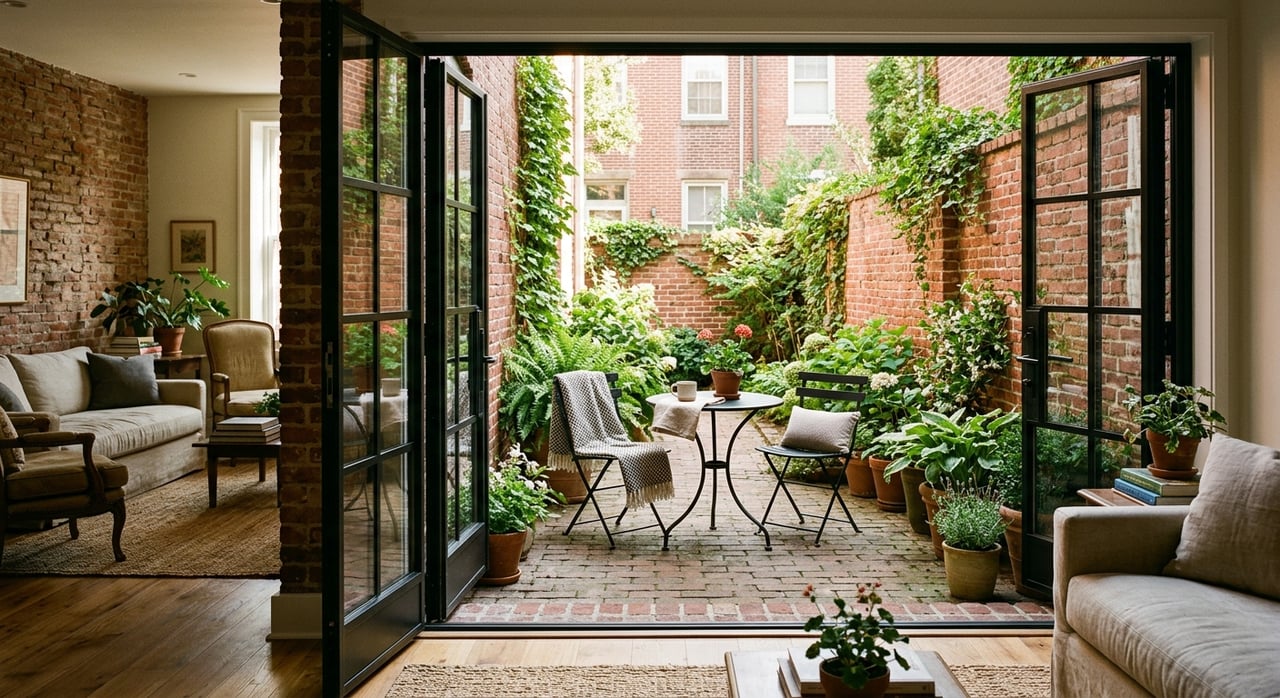
If you only know Capitol Hill by its landmarks, you are missing the part that matters most when you picture living there day to day. This is not just a postcard backdrop for Washington. It is a real residential neighborhood where errands, dinners, park walks, and Metro trips shape the rhythm of daily life. If you are wondering what it actually feels like to live on the Hill, this guide will help you see the neighborhood beyond the headlines. Let’s dive in.
Capitol Hill covers about 3.1 square miles, sits fully within Ward 6, and is largely residential. Commercial activity clusters along familiar corridors like 8th Street SE and H Street NE, but much of the neighborhood is defined by row houses, neighborhood-scale streets, and daily convenience.
That mix is a big reason people connect with Capitol Hill so quickly. It still reads as a place of red-brick rowhouses, corner stores, cafes, and walkable blocks near major job centers. For many buyers, that means you are not choosing between city access and neighborhood feel. You get both.
One of the most helpful ways to understand Capitol Hill is to stop thinking of it as one single experience. The neighborhood includes several smaller pockets that feel different at street level, even within a compact footprint.
The Capitol Hill BID breaks the area into Barracks Row, Eastern Market, Federal Enclave, Hill East, and Union Station. If you are buying or relocating, that matters because your day-to-day experience can shift noticeably from one pocket to another.
The Eastern Market area centers around one of the neighborhood’s strongest daily anchors. Eastern Market itself is Washington’s oldest continually operating public fresh food market, and it remains a major community hub.
The South Hall merchants operate Tuesday through Sunday. There is also a Fresh Tuesdays Farmers Market from 3 p.m. to 7 p.m., plus outdoor market activity on Saturdays and Sundays with produce, arts, crafts, antiques, and often live music.
This part of Capitol Hill tends to feel especially active and connected. The market hall sits on 7th Street SE, and the nearby Eastern Market Metro Park project was designed to improve safety, green space, connectivity, and multimodal access, reinforcing the area’s role as a neighborhood town square.
If you are drawn to restaurant energy and a stronger evening scene, Barracks Row stands out. It is the city’s oldest commercial corridor and is anchored by the oldest active post in the Marine Corps.
Today, the corridor is known as a culinary and entertainment destination with more than 30 restaurant choices, plus neighborhood services and retailers. In practical terms, that gives this stretch of Capitol Hill a clear social rhythm, especially for weeknight dinners, weekend brunches, and easy nearby plans.
Hill East offers a different pace. It is often described as a more residential, green, and outdoors-oriented side of Capitol Hill, with colorful rowhouses, historic sites, green spaces, and riverside trails.
For some buyers, that distinction is exactly the point. If you want access to Capitol Hill amenities but prefer a quieter feel away from the busiest restaurant and market blocks, Hill East may be the pocket that fits your lifestyle best.
The Federal Enclave is the most monumental part of Capitol Hill, while Union Station creates a major transit and shopping node at the neighborhood’s north edge. These areas may not feel as purely residential as Hill East or some of the side streets near Eastern Market, but they still shape how the neighborhood functions.
Union Station serves as a mixed-use intermodal transportation and shopping center, which makes this edge of Capitol Hill especially relevant if you value regional access. It adds another layer to the neighborhood’s overall convenience.
Capitol Hill’s appeal is not just about architecture or reputation. It is about how easy it can feel to move through your day without making everything a production.
A very typical weekend rhythm here might look simple: a market stop, coffee or brunch, a walk through a nearby park, and dinner on Barracks Row. That pattern is possible because the neighborhood’s market, dining, park, and transit network all sit close together.
For buyers coming from more car-dependent areas, this is often one of the biggest quality-of-life shifts. You may find that your routine becomes more local, more walkable, and more connected to the blocks immediately around you.
Capitol Hill is not short on green space. The National Park Service groups the neighborhood’s parks into a larger network that includes Lincoln Park, Stanton Park, Marion Park, and many smaller triangles and squares.
These parks are open daily from 6:00 a.m. to 10:00 p.m. and do not require an entry fee. That makes them less of a special occasion amenity and more of a regular part of everyday life.
Lincoln Park is the largest park on Capitol Hill and one of the oldest public parks in Washington. It includes monuments to Abraham Lincoln and Mary McLeod Bethune, but for residents it also functions as a neighborhood open space where you can walk, sit, and reset close to home.
Stanton Park and Marion Park add more of that classic urban park character. With seating, playgrounds, and established landscaping, they help give Capitol Hill a lived-in feel that balances the denser residential blocks.
The neighborhood’s daily-use amenities go beyond parks. Watkins Recreation Center offers a youth pool, turf field, skate rink, outdoor basketball courts, and a playground, broadening the range of activities nearby.
The Southeast Library is another important neighborhood anchor. The branch at 403 7th Street SE serves the Eastern Market community and is currently closed for a full modernization, with interim service offered elsewhere.
For many people considering Capitol Hill, transit access is a major part of the draw. The neighborhood’s Metro network supports a car-light routine, especially if your work, errands, or social plans keep you in DC or nearby.
Eastern Market station serves the nearby public marketplace and Marine Barracks area. Capitol South also serves the neighborhood, and both stations have no parking, which says a lot about how these stops are designed to support walk-in, bike, and transit use rather than park-and-ride patterns.
Eastern Market station includes bike racks, lockers, and bikeshare. Capitol South also offers bikesharing, and Union Station adds broader regional access at the north end of the neighborhood.
If you are home shopping in Capitol Hill, the biggest takeaway is that the neighborhood is not one-note. Two homes may both have a Capitol Hill address, yet offer very different day-to-day experiences based on which micro-area they sit in.
If you love market-day energy, transit access, and a town-square feel, Eastern Market may be a strong match. If you picture dinners out and a more social corridor, Barracks Row may feel more like home. If you want a more residential and green setting, Hill East may deserve a closer look.
This is where block-by-block guidance really matters. In a neighborhood like Capitol Hill, lifestyle fit often comes down to the details of how you want your mornings, evenings, and weekends to feel.
Capitol Hill continues to attract buyers because it offers more than a recognizable name. It gives you a neighborhood where historic housing, daily convenience, public space, and transit access all work together.
That combination is hard to replicate. You are not just buying a home here. You are choosing a pattern of living built around walkable blocks, familiar routines, and distinct neighborhood pockets that each bring something different to the table.
If you are thinking about buying or selling in Capitol Hill and want help understanding which part of the neighborhood fits your goals, The Tom Buerger Team can help you navigate the options with local perspective and a neighbor-first approach.
Stay up to date on the latest real estate trends.
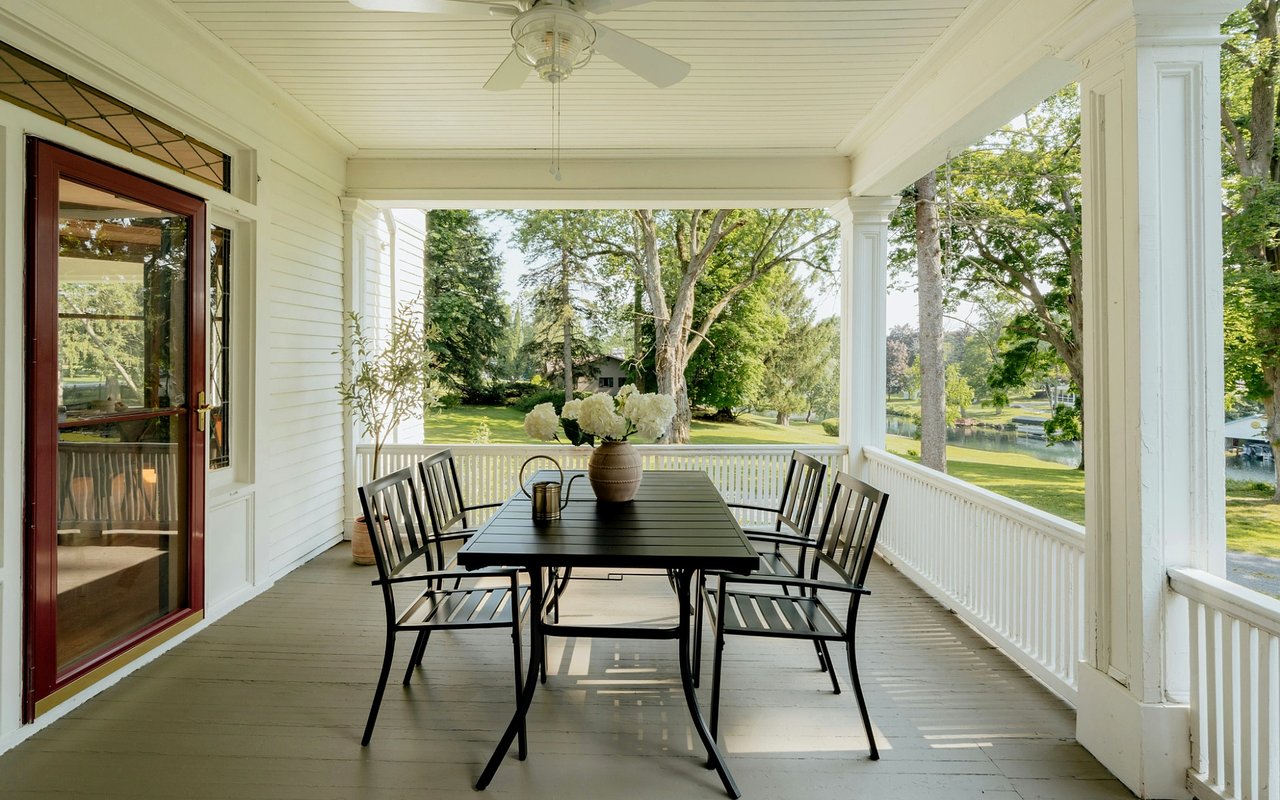
Turn Your Outdoor Space in D.C. Into the Best Seat in the House.
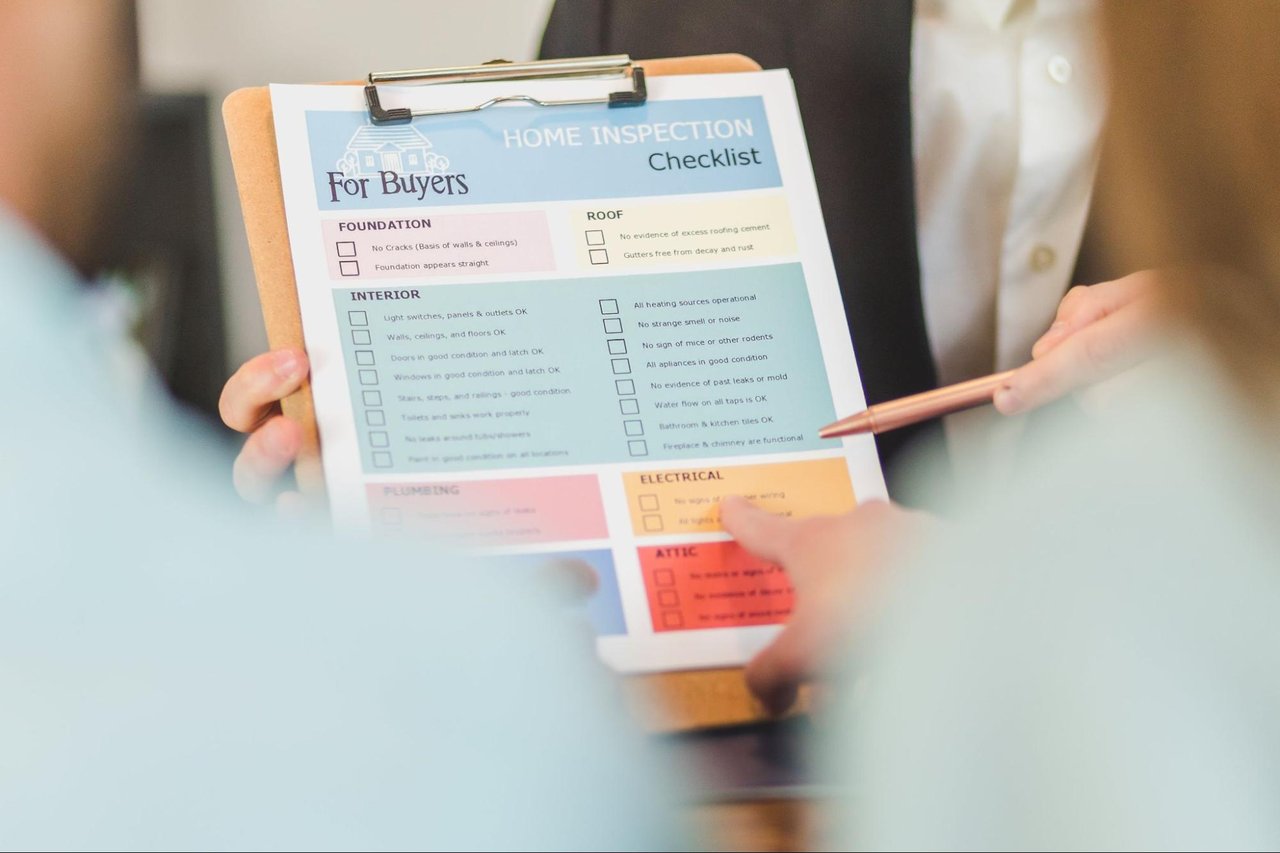
Turning a Dense Document Into Clear Decisions: How Buyers Should Read a Home Inspection Report in Washington, D.C.
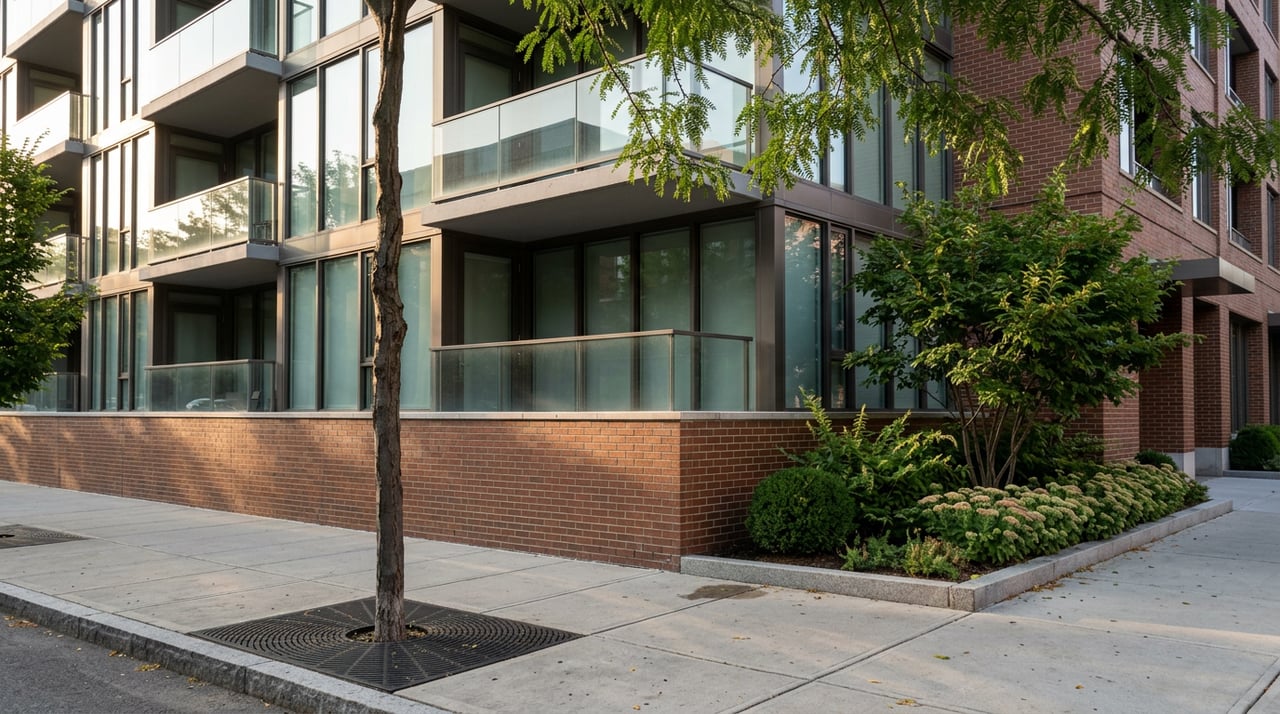
One Room, Two Purposes, Zero Compromise.
A Practical Guide to Discovering Your Signature Look.
Making Every Square Foot Work Harder in the District.