Buying A Historic Rowhouse On Capitol Hill: Key Considerations
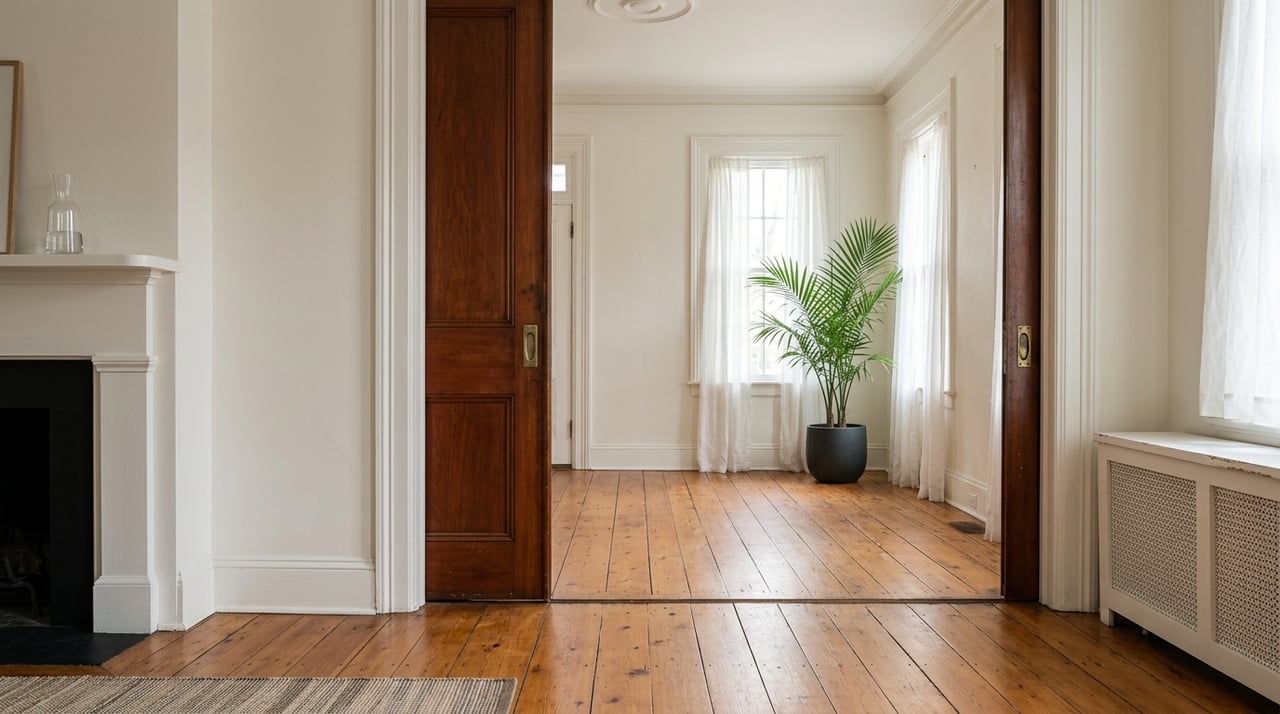
Thinking about buying a historic rowhouse on Capitol Hill? You are not alone. These homes offer character, flexibility, and a real sense of place, but they also come with older materials, preservation rules, and renovation choices that can affect your budget and plans. If you want the charm without surprises, it helps to know what to look for before you write an offer and before you plan updates. Let’s dive in.
Capitol Hill is the District’s largest residential historic district. It was designated locally in 1973, added to the National Register in 1976, and includes roughly 8,000 structures with most dating from 1850 to 1915.
That history shapes what you will see on the block and inside the homes. Housing types include Federal townhouses, small frame dwellings, Italianate rowhouses, pressed brick rowhouses, and many properties with English basements that may offer rental or flexible living use.
For buyers, the big takeaway is simple: you are not just buying square footage. You are buying a home with architectural patterns, materials, and room relationships that often matter to both long-term value and future renovation decisions.
Many historic rowhouses were designed with a side hall running much of the length of the house. You will often find an open stair along a shared wall, a front parlor or living space, a dining room, a rear kitchen or basement kitchen, and bedrooms upstairs.
Those layouts are not accidental. Preservation guidance treats features like the entry hall, parlor, staircase, doors, windows, trim, floors, and fireplaces as primary elements worth keeping whenever possible.
That matters when you tour homes with past renovations. A beautifully updated kitchen can still be a good fit, but the most thoughtful projects usually respect the basic floor plan instead of stripping away the entry sequence and main living rooms that give the house its character.
Historic homes can be wonderful to own, but they reward careful due diligence. A standard inspection is a smart first step, and it is wise to attend if you can so you can ask questions in real time.
For a Capitol Hill rowhouse, ask your inspector to pay especially close attention to the areas below.
In older brick homes, mortar joints are often the weak point. When mortar deteriorates, the right repair is usually repointing with a compatible mortar, because improper repointing can damage the brick itself.
Moisture is often part of the story. Leaking downspouts, poor drainage, and trapped water can lead to mortar loss and damp brick, so signs of moisture should never be brushed off as cosmetic.
Many rowhouses have basements or English basements, and those areas deserve extra attention. Look for signs of recurring moisture, staining, musty smells, or past repairs that may suggest ongoing water issues.
If the first inspection points to a larger problem, consider additional inspections. That extra step can give you a clearer picture of repair needs before you move forward.
Some historic Capitol Hill roofs are slate or slate-like materials. Properly installed slate can last 60 to 125 years or more, so age alone does not automatically mean replacement.
In many cases, repair may make more sense than full replacement. The key is understanding the current condition and whether past work was done carefully.
Older windows can worry buyers, especially when energy efficiency is top of mind. But replacement is not always the first or best answer.
In many cases, caulking, weatherstripping, glazing repair, or storm windows can improve comfort and performance. It is worth asking whether the issue is truly failure, or whether repair could preserve original materials and still improve day-to-day living.
A rowhouse that has been updated over time may include repairs that do not fully match the original construction. That does not always mean there is a problem, but it is worth asking questions.
Look closely at brick repairs, roof work, window changes, and any signs that moisture may have been addressed only temporarily. Older homes often tell their story in layers.
One of the biggest questions buyers ask is whether they can change the house after closing. In Capitol Hill, the answer depends a lot on whether the work affects the exterior appearance of the property and whether a permit is required.
DC’s Office of Planning says most building and site work requires a permit, and historic preservation review is required when permit work affects the exterior appearance of a historic property. Interior alterations are generally not subject to preservation review unless the interior itself is specifically designated as historic.
Some routine items are usually not subject to preservation review. These often include:
This is good news if your plans are modest and repair-focused. Small improvements may be much more straightforward than buyers expect.
Larger or more visible changes are a different story. Review is generally more likely for projects such as:
If you are shopping with a renovation vision in mind, this list matters. A house may seem perfect on paper, but your plans may need refinement once preservation rules enter the picture.
DC also has a Historic Property Special Permit for certain smaller historic-specific scopes, including brick pointing, fence repair or replacement, and in-kind roof and gutter work. That can be helpful for owners who want to maintain a home properly without taking on a full review process.
The Office of Planning also notes that Historic Preservation Office staff can offer early technical guidance. They can help you understand whether work may be handled administratively or whether it could require a higher level of review.
With a historic rowhouse, timing matters. It is often smart to bring in the right specialist before you finalize your renovation scope, not after you have already committed to a design and budget.
Depending on the home and your goals, your team may include:
This early guidance can save you money and frustration. It can also help you separate must-do repairs from wish-list upgrades.
Buying a historic rowhouse is not just about charm and vision. Your offer structure matters too.
Consumer guidance recommends making offers contingent on both financing and a satisfactory inspection. That is especially important when you are buying an older property where hidden conditions may affect your decision or your lender’s requirements.
It also helps to remember that an inspection and an appraisal are not the same thing. The inspection is about condition, while the appraisal is generally required by the lender and focuses on value.
In some cases, loan programs may require repairs before closing or may require an escrow arrangement if major work is needed. That is one reason a realistic repair conversation early in the process can be so valuable.
The best updates in a Capitol Hill rowhouse usually work with the house, not against it. Preservation guidance generally favors keeping the basic floor plan and preserving the relationship between the entry, stair hall, and main public rooms.
That does not mean you cannot modernize. It means the most flexible places for change are often kitchens, bathrooms, and other secondary spaces, while the front hall, main staircase, parlor, and similar primary rooms tend to carry more architectural weight.
For comfort upgrades, repair-first options often make sense. Weatherstripping, careful caulking, storm windows, and other compatible improvements can help you live more comfortably while preserving original features.
If your plans move into visible additions, roof decks, or new front openings, it is wise to check with DC preservation staff before spending heavily on drawings or construction plans. That early step can help you avoid chasing a project that may need major revisions.
Buyers sometimes assume that all historic homes come with major tax benefits. In reality, those programs are more limited than many people expect.
The federal rehabilitation tax credit is generally for income-producing buildings, not owner-occupied residences. If a property does qualify, the credit is 20% of qualified rehabilitation expenses.
For some DC owner-occupants, the city’s Historic Homeowner Grant Program may help with qualifying exterior or structural repairs. However, it is limited to income-qualifying primary-residence owners of historic landmarks or contributing houses in DC historic districts.
If you are buying a historic rowhouse on Capitol Hill, the goal is not to find a perfect old house. The goal is to find a house whose condition, layout, and future rules fit your budget and your plans.
The buyers who tend to feel best about their decision are usually the ones who look closely, ask good questions, and understand where repair, regulation, and character meet. When you do that well, you can end up with a home that feels both timeless and livable.
If you are exploring Capitol Hill rowhouses and want clear, local guidance on what to watch for, the next best step is to talk through the options with The Tom Buerger Team.
Stay up to date on the latest real estate trends.

One Room, Two Purposes, Zero Compromise.
A Practical Guide to Discovering Your Signature Look.
Making Every Square Foot Work Harder in the District.

A Buyer’s Guide to Residential Architecture in Washington DC.