By The Tom Buerger Team
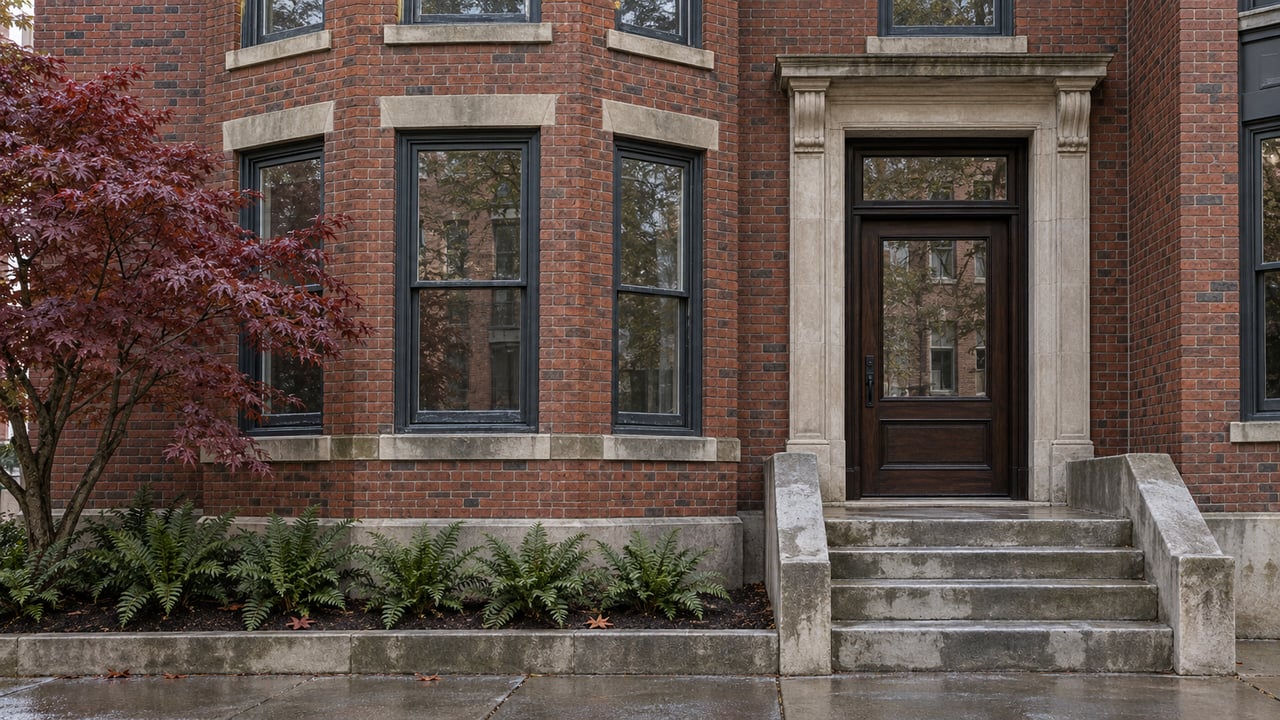
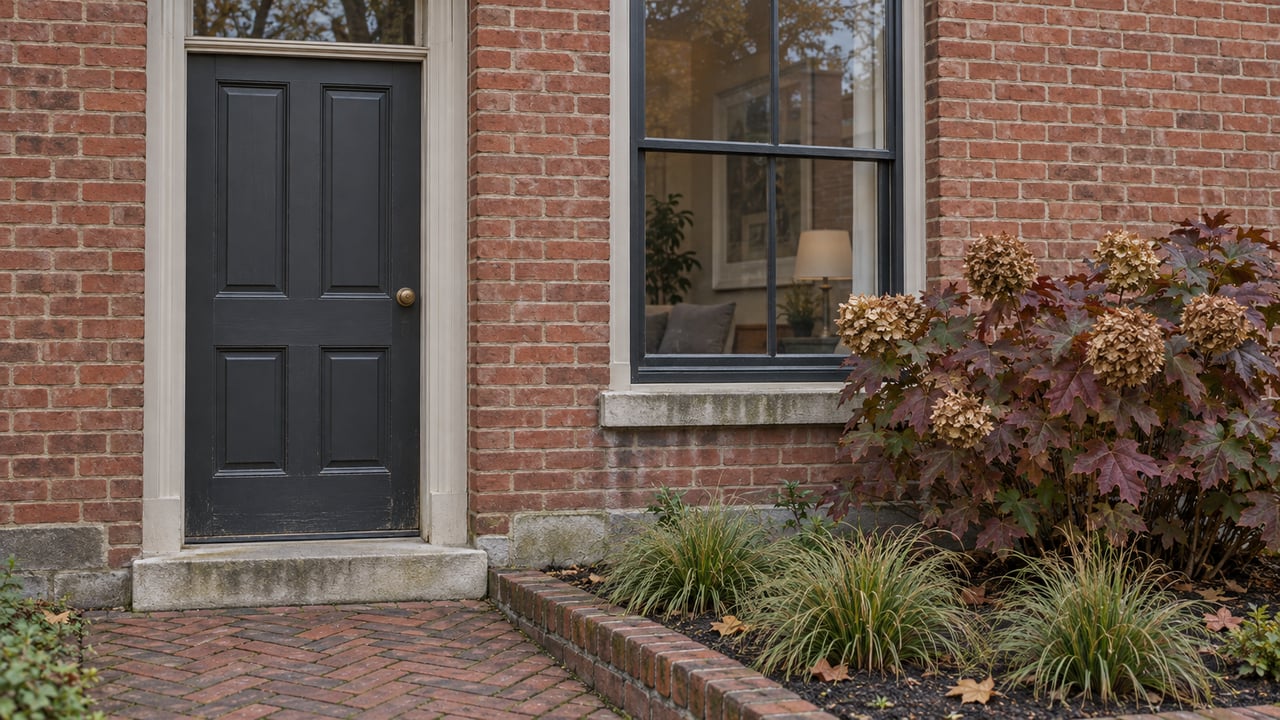
Your rowhouse already has solid bones, and great design simply lets them show. The tall ceilings, deep layouts, and original millwork found in so many Washington, D.C., homes give you a starting point that newer construction rarely offers. The real work is designing with those features, not against them.
Classic rowhouses and townhomes come with their own quirks: slim widths, rooms that run front to back, and windows on only two sides. Those traits shape nearly every choice you make about light, color, and flow. When handled with care, they become the details that make your home feel warm and one-of-a-kind. Whether you own a Federal-style rowhouse near Capitol Hill or a cozy townhome, here is how to bring out the best of the character your space already holds.
Key Takeaways
- D.C. rowhouses reward design that highlights original details, such as crown molding, tall windows, and heart pine floors.
- Because daylight enters mainly from the front and back, color and reflective surfaces are essential.
- A mix of historic character and clean, modern functionality suits most classic townhomes across the DMV.
- Vertical storage and flexible, multipurpose rooms help narrow layouts feel open and orderly.
What Sets D.C. Rowhouses Apart for Interior Design?
Rowhouses in D.C. stand apart for their narrow footprints, deep front-to-back layouts, soaring ceilings, and original details like pocket doors, medallions, and wide-plank floors. These are the features that give Washington, D.C., real estate so much of its charm, and they deserve to be the focus of your design plan. Start by taking stock of what is original and worth keeping before you change anything.
In D.C.’s historic districts, such as Capitol Hill, Georgetown, and Logan Circle, many homes carry decades of detail under layers of paint. Stripping a mantel back to its original wood or restoring a transom window can reset the entire room. When you honor these elements, contemporary furnishings read as intentional rather than out of place.
What to Preserve and Highlight
- Restore original crown molding, ceiling medallions, and baseboards that define a room's proportions.
- Refinish heart pine or oak floors that add warmth and history underfoot.
- Keep bay windows and transoms that pull daylight deeper into the home.
- Feature fireplaces and mantels that anchor a living or dining space.
How Do You Bring More Light into a Rowhouse?
Because a rowhouse draws daylight only from the front and back, brighten it by reflecting and spreading the light you already have with pale colors, mirrors, glass, and open sightlines. Central rooms tend to be the darkest, so those spaces benefit most from a lighter hand. The aim is to move light through the home rather than trap it in the end rooms.
Light paint on walls and ceilings keeps the core of the house from feeling closed in, while glass-paned interior doors let brightness travel between rooms. A large mirror placed across from a window can nearly double the daylight in a dim hallway or dining area. Layered lighting, from sconces to picture lights, fills in the corners that windows cannot reach.
Maximizing Natural Light
- Choose soft white shades and warm neutrals for walls in interior rooms.
- Hang mirrors opposite the windows to bounce daylight deeper inside.
- Swap solid interior doors for glass-paned or pocket versions where possible.
What Design Styles Work Best in Classic Townhomes?
The styles that suit classic D.C. townhomes pair historic architecture with clean, current function, whether that leans transitional, modern traditional, or English-inspired. This approach respects the home's era while keeping daily life comfortable and uncluttered. Your furnishings, lighting, and color palette are where old and new meet.
A transitional look, with tailored upholstery and a few antique or vintage pieces, feels right at home in Washington, D.C., rowhouses and townhomes alike. If your townhome is newer, you can lean a little more contemporary while still nodding to the DMV's traditional roots. The through line is restraint: let the architecture lead, and choose pieces that support it.
Styles That Suit D.C. Townhomes
- Try transitional design that softens formal rooms with comfortable, modern seating.
- Build a modern traditional palette on warm woods and muted, timeless colors.
- Layer English-inspired rooms with rich textiles and classic millwork.
- Add curated, vintage accents that echo the home's original period.
How Do You Make the Most of a Narrow Townhome Layout?
Make a narrow townhome live larger by building storage upward, giving rooms more than one purpose, and keeping sightlines clear from front to back. Slim floor plans reward vertical thinking and honest editing far more than they reward oversized furniture. Every piece should earn its place.
Built-in shelving that runs to the ceiling turns unused wall height into real storage, while a bench with hidden compartments near the entry keeps clutter down. Rooms that double as an office and guest space stretch the usefulness of a townhome in Washington, D.C., where square footage comes at a premium. Scaled-down furniture and open-leg pieces keep floors visible, so rooms feel larger than their measurements suggest.
Space-Saving Ideas
- Install floor-to-ceiling built-ins for books, storage, and displays.
- Give each room a second purpose, such as a guest room that works as a study.
- Use runners and low-profile rugs to keep narrow rooms feeling open.
FAQs
Can You Update a Historic D.C. Rowhouse Without Losing Its Character?
Yes, you can modernize a historic rowhouse in Washington, D.C., while keeping its character by preserving original details and reserving updates for kitchens, baths, and lighting. Focus new enhancements on functionality and comfort, and let restored millwork, floors, and mantels carry the home's history.
What Paint Colors Work Best in a D.C. Townhome?
Soft whites, warm greiges, and muted historic tones tend to work best in D.C. townhomes because they brighten interior rooms and flatter original woodwork. Deeper shades, such as navy or forest green, suit rooms with ample natural light or a cozy purpose, like a study. Testing swatches at different times of day helps you see how the changing light reads on your walls.
How Do You Add Storage to a Narrow Rowhouse?
Incorporate storage into a narrow rowhouse by using vertical space and built-ins rather than bulky freestanding furniture. Floor-to-ceiling shelving, under-stair cabinets, and window seats with hidden storage all reclaim space. These touches keep Washington, D.C., rowhouses feeling open while giving everything a place to live.
Making the Most of Your D.C. Rowhouse or Classic Townhome
Great design in a rowhouse or classic townhome starts with respect for the architecture and a clear plan for light, color, and space. When you highlight original details, brighten the interior rooms, and choose furnishings that fit the scale of your home, even a slim floor plan feels open and inviting.
If you are buying, selling, or reimagining a home in Washington, D.C., Bethesda, or Arlington,
The Tom Buerger Team would love to help you shape a space with real character. We know D.C. rowhouses and classic townhomes inside and out.