By The Tom Buerger Team
You already know that living space comes at a premium in Washington, D.C. Whether you own a narrow rowhouse, a compact condo, or a studio, the challenge of selling is rarely about location. It is about helping buyers see how a smaller footprint can live large. Staging is the tool that closes that gap, and when it is done well, it can be the difference between a listing that lingers and one that draws competing offers within the first weekend.
Staging a small space is not about hiding square footage or tricking the eye. It is about showing buyers exactly how they would use each room, so they can picture their morning coffee on the bay window seat or their bikes tucked neatly into the entry. In a market as fast-moving as D.C, where condos and rowhouses often trade quickly, presentation carries real weight. Buyers here are savvy, and they scroll through dozens of listings before they ever step inside.
This guide will walk you through how to stage a small space in a Washington, D.C., rowhouse or condo so that your home photographs beautifully and shows even better in person. When you are ready to bring these ideas to life, our team is here to help you every step of the way.
Key Takeaways
- Editing down your belongings is the single most effective way to make a small D.C. home feel larger and more inviting.
- The right furniture scale and placement can make a narrow rowhouse or compact condo feel open rather than cramped.
- Light, both natural and artificial, is one of your strongest tools for expanding the perceived size of a room.
- Neutral, cohesive color palettes help buyers focus on the space itself rather than on your personal style.
- Thoughtful staging in high-impact rooms, such as the primary bedroom and the main living area, delivers the most notable return.
Start by Editing Ruthlessly
Before you buy a single throw pillow or start reorganizing furniture, the most valuable work happens through subtraction. Small spaces reveal clutter instantly, and every extra object competes for a buyer's attention. A rowhouse living room stacked with books, mail, and decorative pieces reads as tight and busy, while the same room pared back to a few intentional items reads as calm and spacious. The goal is to help buyers imagine their own lives unfolding in the home, and that becomes far easier when your surfaces are clear.
Start with the areas that collect the most visual noise, such as countertops, bookshelves, and entryway consoles. Pack away roughly half of what you own and store it off-site if possible. This is not just about tidiness; it is about creating breathing room around the objects that remain. When a buyer walks into a condo and sees a clean kitchen counter with a single bowl of lemons, the message is clear and effortless. When they see a jumble of appliances and paperwork, they subconsciously register the space as too small for their needs.
Depersonalizing goes hand in hand with decluttering. Personal photographs, collections, and highly specific decor can pull a buyer out of the dream of ownership. You want them focused on the light, the layout, and the possibilities, not on the details of who currently lives there.
What To Prioritize First
- Clear all kitchen and bathroom countertops down to one or two purposeful items.
- Remove oversized or excess furniture that blocks natural pathways through each room.
- Pack away personal photos, refrigerator magnets, and niche collections before showings.
- Empty closets to roughly half-capacity so that storage looks generous rather than stuffed.
- Store off-season clothing, sports gear, and bulky items outside the home during the listing period.
Choose Furniture That Fits the Footprint
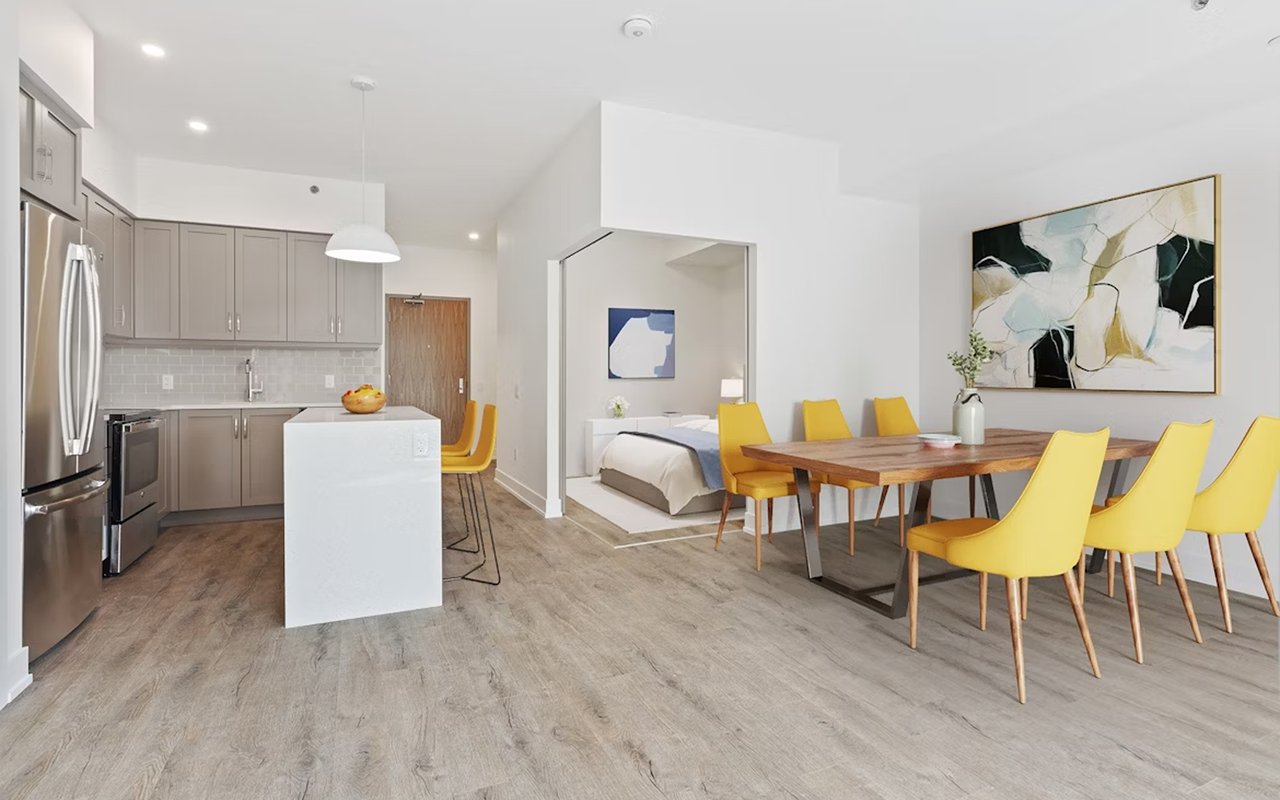
Furniture scale can make or break the way a small space photographs and feels. In a Washington, D.C., rowhouse, rooms are often long and narrow, while many condos favor open-concept layouts where one piece of oversized furniture can swallow the entire flow. The trick is to select pieces that are proportional to the room and that leave clear sightlines from one end of the space to the other. When a buyer can see across a room without visual obstruction, that room instantly feels bigger.
Multifunctional and leggy furniture are your best bets here. A sofa raised on slim legs lets light travel underneath it, so the floor appears more expansive. A glass or acrylic coffee table takes up visual space without weighing the room down. In a compact condo, a console that doubles as a workspace signals to buyers that the home can flex with their needs, which matters deeply to the many professionals who live and work in the District. Placement matters just as much as selection. Floating furniture a few inches off the walls, rather than pushing everything flush against them, can paradoxically make a room feel more open and intentional.
You do not need to fill every corner. Empty space is not wasted space; it is the visual pause that lets a room breathe. A well-staged small home often uses fewer pieces than an owner expects, arranged with intention rather than crammed for function.
How To Scale Furniture for Small Rooms
- Select sofas and chairs raised on visible legs so that light flows beneath them.
- Use pieces that serve two purposes, such as a storage ottoman or a nesting side table.
- Float furniture slightly away from walls to define zones without crowding the room.
- Choose a glass, acrylic, or open-frame coffee table to reduce visual bulk.
- Leave clear walking paths of at least three feet through the main living areas.
Maximize Light in Every Room
Light is one of the most powerful and most underused staging tools, especially in older D.C. rowhouses where interior rooms can sit far from a window. Bright, evenly lit rooms photograph larger and feel more welcoming the moment a buyer steps inside. Your first job is to let in as much natural light as possible. That means cleaning every window until it sparkles, opening blinds and curtains fully, and removing heavy or dark window treatments that block the sun.
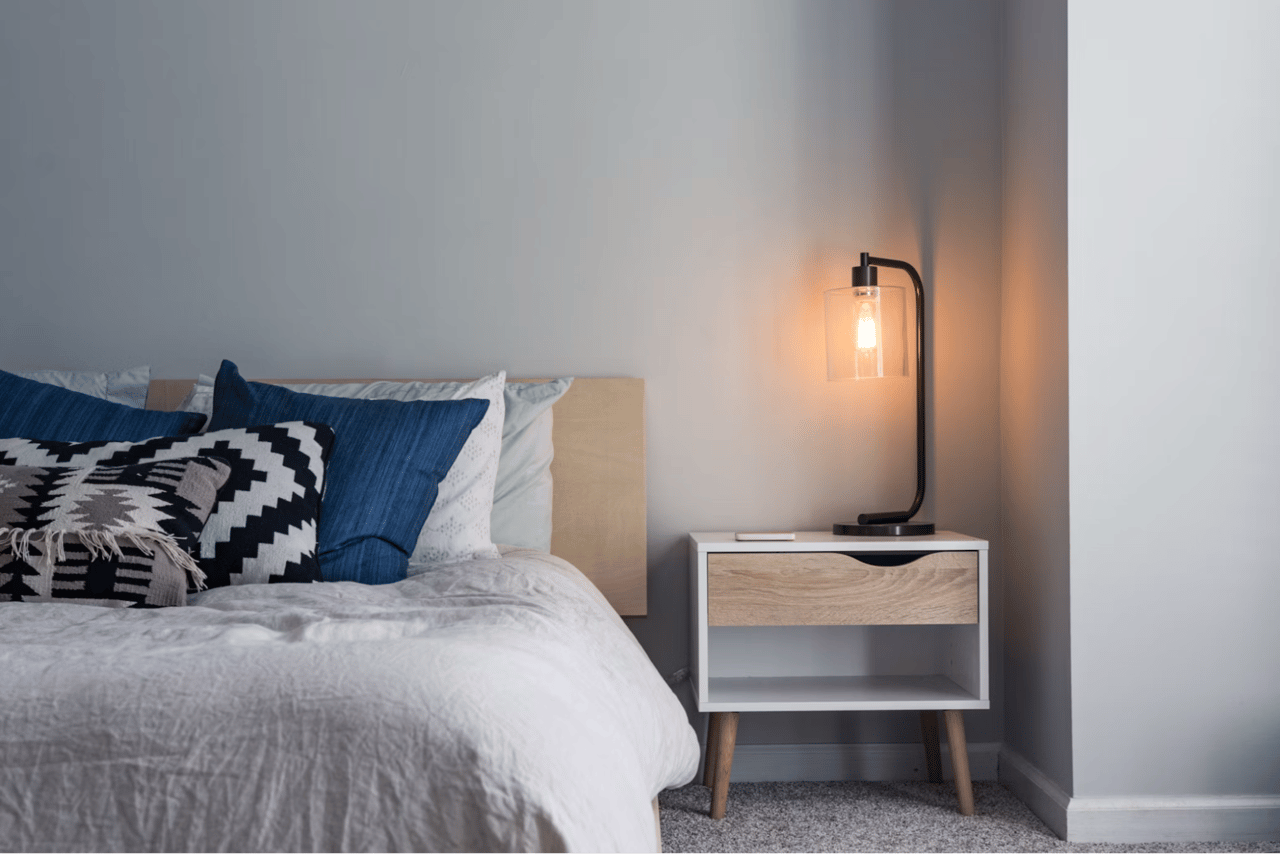
When natural light is limited, layered artificial lighting fills the gap. A single overhead fixture rarely does a room justice, so add floor lamps and table lamps to create warmth and dimension in the corners. Swap out any dim or mismatched bulbs for bright, consistent ones with a warm-white temperature, so the whole home feels cohesive from room to room. Mirrors deserve special mention here, because a well-placed mirror across from a window can nearly double the sense of light and depth in a tight space.
Reflective surfaces and light finishes reinforce the effect. Glossy or satin paint on trim, a few metallic accents, and pale flooring all bounce light around and open up a room. In a windowless powder room or a below-grade rowhouse level, this kind of layered lighting is what keeps the space from feeling like an afterthought.
Ways To Brighten a Small Space
- Clean every window inside and out so that natural light enters unobstructed.
- Replace heavy drapes with sheer panels or leave windows bare where privacy allows.
- Add floor and table lamps to eliminate dark corners in every room.
- Position a large mirror opposite a window to reflect light and double the sense of depth.
- Switch all bulbs to a consistent warm-white temperature for a cohesive glow.
Use Color and Cohesion to Expand the Space
Color choices carry enormous weight in a small home. A cohesive, light-forward palette makes rooms flow into one another and tricks the eye into reading the whole home as one continuous, generous space. When every room shifts to a different bold color, the transitions chop the home into small, disconnected boxes. A unified palette does the opposite; it invites the eye to travel and makes even a modest rowhouse feel expansive.
Soft neutrals, such as warm whites, pale greys, and gentle taupes, are the safest and most effective foundation, because they reflect light and appeal to the widest range of buyers. That does not mean the home has to feel flat. You can layer in interest through texture, such as a chunky knit throw, a woven basket, or a linen pillow, rather than through competing colors. Keeping the palette consistent from the entry through the living area and into the bedrooms gives the home a designed, intentional feel that buyers in the District respond to.
Continuity in flooring and trim reinforces the effect. Where possible, keeping the same flooring throughout the main level removes visual breaks that make a space feel smaller. When the eye is not stopped by abrupt changes, the home simply feels larger than its measured square footage.
Color Strategies That Open Up a Home
- Choose a light, neutral base palette that carries from room to room.
- Add depth through texture and natural materials rather than bold competing colors.
- Keep trim and ceilings crisp and light to lift the perceived height of each room.
- Maintain consistent flooring across the main level so that sightlines stay uninterrupted.
- Reserve any accent color for small, easily changed details, such as pillows or art.
FAQs
Should I Stage an Empty Rowhouse or Leave It Vacant?
Vacant rooms are surprisingly hard for buyers to read, because most people struggle to judge scale and function without furniture for reference. An empty rowhouse can actually feel smaller and colder than a lightly staged one. Even a few well-chosen pieces that define how a room is used will help buyers connect with the space and picture themselves living there.
What Rooms Matter Most When Staging a Small Space?
The living area and the primary bedroom carry the most weight, because they are the rooms buyers care about most and the ones that anchor listing photos. Kitchens and bathrooms come next, since clean, bright versions of those spaces reassure buyers that the home is move-in ready. Focusing your energy on these high-impact rooms gives you the strongest return on your effort.
Can Staging Really Make a Difference in a Fast Market Like D.C.?
Yes, because even in a quick-moving market, first impressions shape how buyers value a home. A thoughtfully staged small space photographs better online, where nearly every buyer starts their search, and it shows better in person, which can translate into higher offers. Presentation gives your listing an advantage, regardless of how quickly homes are trading.
Make Your Space Shine
Staging a small home in Washington, D.C., is about storytelling. Every choice you make helps a buyer imagine the life they could build inside your space. When those choices work together, a compact rowhouse or condo stops feeling like a compromise and starts feeling like a smart, stylish place to call home.
You do not have to navigate any of this alone. Our team knows the District's rowhouses and condos, and we understand exactly what local buyers are looking for. We will help you decide which rooms to prioritize, how to source the right pieces, and how to present your home so that it stands out from the first photo to the final walkthrough.
When you are ready to sell your D.C. home for its full potential, reach out to us at
The Tom Buerger Team. We would love to help you stage, list, and sell your Washington, D.C., home with confidence.