By The Tom Buerger Team
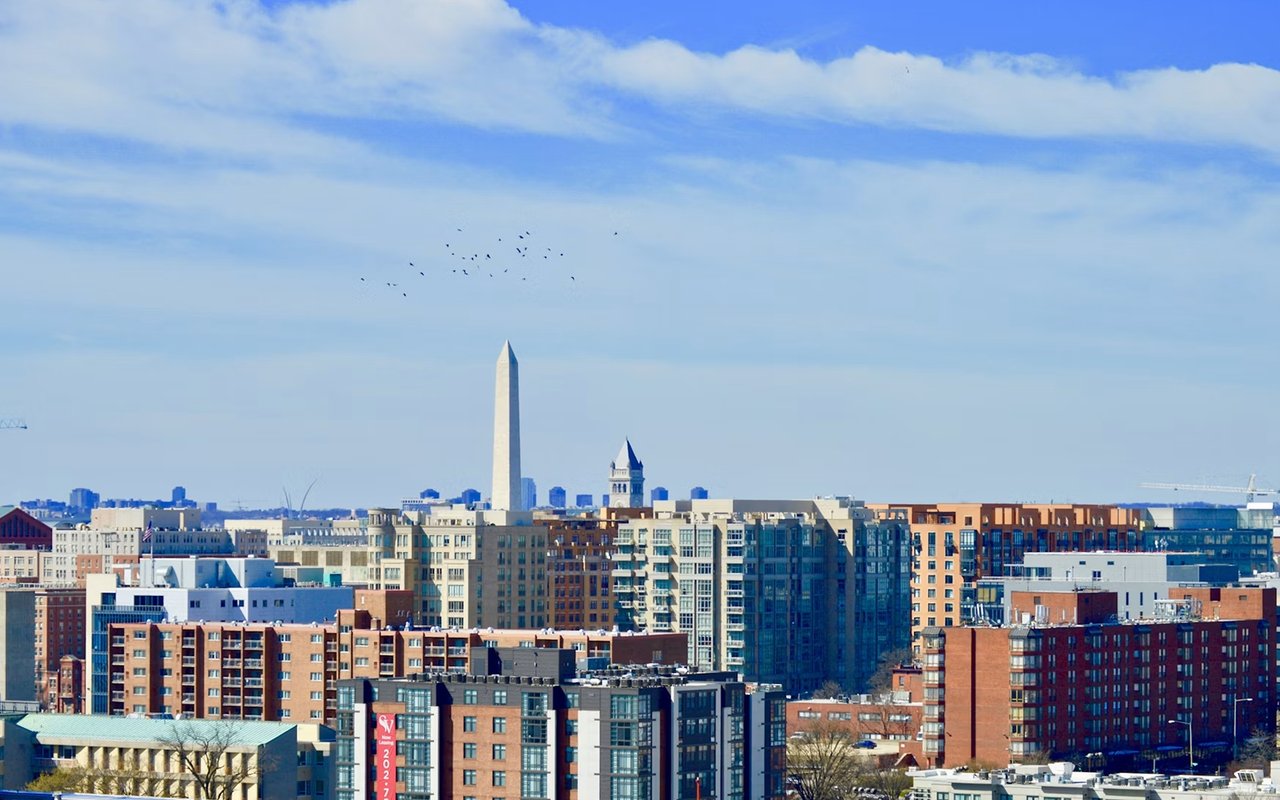
Washington DC's residential architecture is a product of 250 years of continuous development, a grid plan laid out by Pierre Charles L'Enfant before most of the nation's major cities existed, and a historic preservation framework that has protected the character of individual neighborhoods with more consistency than almost anywhere else on the East Coast.
The style of a home determines its layout, its renovation constraints, its property tax treatment, and the specific community it belongs to in ways that listing photos alone never fully convey. Here's the guide we share with buyers who want to understand what they are actually choosing between.
Key Takeaways
- Federal is the oldest and rarest: Surviving Federal-style rowhouses in Georgetown and Capitol Hill date to the late 18th and early 19th centuries
- Victorian dominates the historic neighborhood stock: Capitol Hill, Logan Circle, Dupont Circle, Columbia Heights, Shaw, and Adams Morgan are all defined by Victorian-era rowhouses
- Tudor Revival and Craftsman bungalows define upper northwest: The neighborhoods west of Rock Creek Park carry a predominantly early 20th-century residential character built around Tudor Revival and Craftsman styles that arrived with DC's streetcar expansion
Federal and Georgian: The Oldest Residential Architecture in Washington
The Federal style is the oldest surviving residential form in Washington DC, and the neighborhoods where it concentrates most are the same neighborhoods where the scarcity premium in the city's housing market is most consistently pronounced.
- Defining characteristics: Federal-style rowhouses, built between approximately 1780 and 1830, are defined by flat brick facades, understated bilateral symmetry, fanlight transoms arching above the front door, small windows proportioned to the era's glass technology, and a near-total absence of applied ornament
- Georgetown as the primary concentration: Georgetown is the city's most significant concentration of Federal and Georgian residential architecture, with surviving examples dating to the late 18th century on blocks that have changed surprisingly little in their streetscape character over two centuries
- Capitol Hill's Federal stock: The western and older blocks of Capitol Hill hold a meaningful secondary concentration of Federal-style rowhouses alongside the neighborhood's more numerous Victorian examples, giving the Hill a wider architectural range than any single style label captures
The Federal and Georgian properties of Georgetown and Capitol Hill are among the most architecturally significant residential buildings in the United States, and their scarcity, age, and historic designation make them a genuinely different type of asset from the city's later housing stock.
Victorian Rowhouses: The Defining Style of DC's Historic Neighborhoods
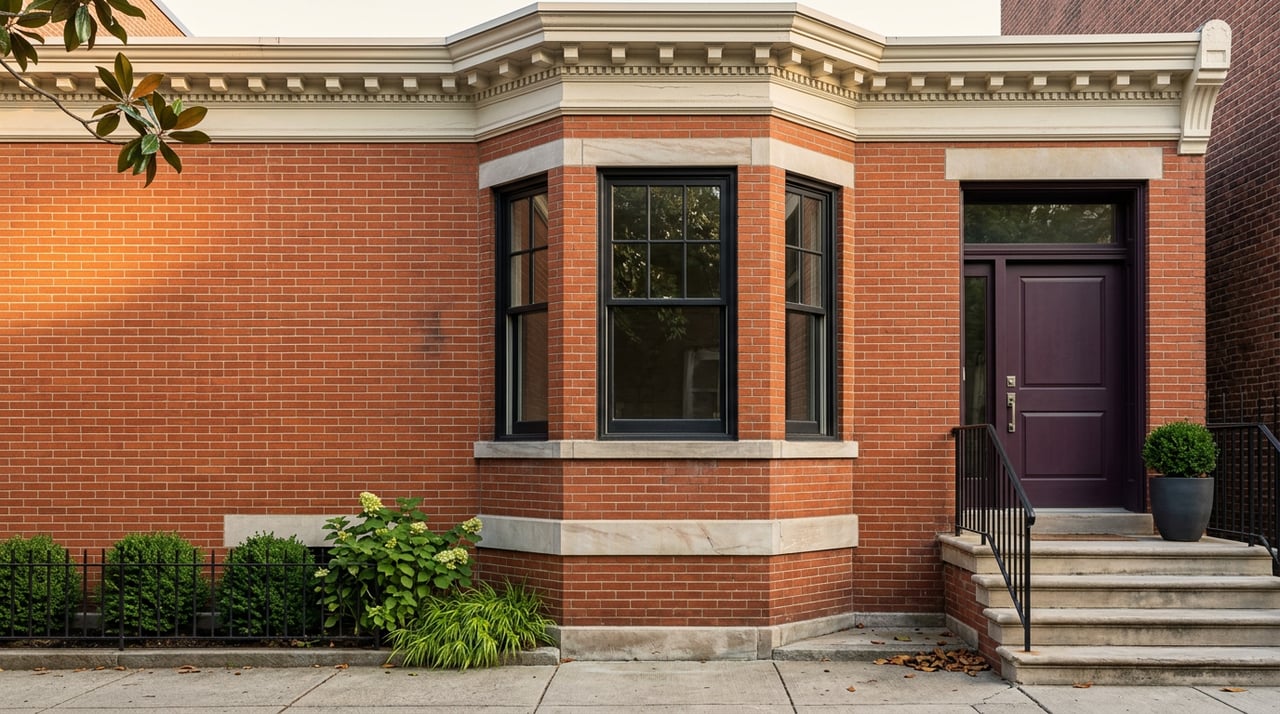
No single style is more closely associated with Washington DC's residential character than the Victorian rowhouse: tall, narrow, often brightly painted brick structures with bay windows, English basements, and ornate detail work.
- Capitol Hill and Logan Circle: Capitol Hill's Victorian rowhouses are characterized by bay windows, detailed trim, turreted or conical roof elements, and English basements. Logan Circle carries some of the city's finest examples of Richardsonian Romanesque, a Victorian sub-style defined by heavy masonry, rounded arches, and a monumental presence
- Dupont Circle and Adams Morgan: Dupont Circle is specifically known for its Romanesque Revival and Queen Anne Victorian rowhouses dating to the 1870s and 1880s, with the Heurich House as the neighborhood's landmark example of the style
- Shaw, Bloomingdale, and Columbia Heights: Shaw's restored Victorian rowhouses sit alongside a growing number of contemporary condominiums and apartment buildings that have added density to the neighborhood without fully displacing its historic character; Bloomingdale's dense Victorian strips include carriage houses dating to the mid-1800s, many of which have been converted into distinctive residential units; Columbia Heights carries a broad Victorian presence shaped by the neighborhood's early streetcar development
The Victorian rowhouse is one of the most genuinely livable historic housing types in the city, which explains why demand for well-preserved examples in strong neighborhoods has remained consistently high across market cycles.
Tudor Revival, Craftsman, and the Upper Northwest Character
The neighborhoods west of Rock Creek Park and north along the former streetcar lines represent a third distinct chapter in the architectural styles Washington DC developed.
- Tudor Revival in Foxhall, AU Park, and Spring Valley: Built primarily in the 1920s and 1930s, Tudor Revival homes in DC's upper northwest neighborhoods are identifiable by steep pitched roofs, stucco or half-timbered exteriors, leaded glass windows, and exposed timber detailing
- Craftsman bungalows in Petworth and Brookland: The Craftsman bungalow arrived in DC with the streetcar expansion of the early 20th century, concentrating in the formerly streetcar-accessible neighborhoods of Petworth and Brookland
- Chevy Chase and the eclectic northwest mix: The Chevy Chase neighborhood carries a wider mix than most DC areas; Cape Cod cottages, Colonials, Bungalows, Victorians, and Tudors coexist in a character that reflects the neighborhood's development across multiple decades
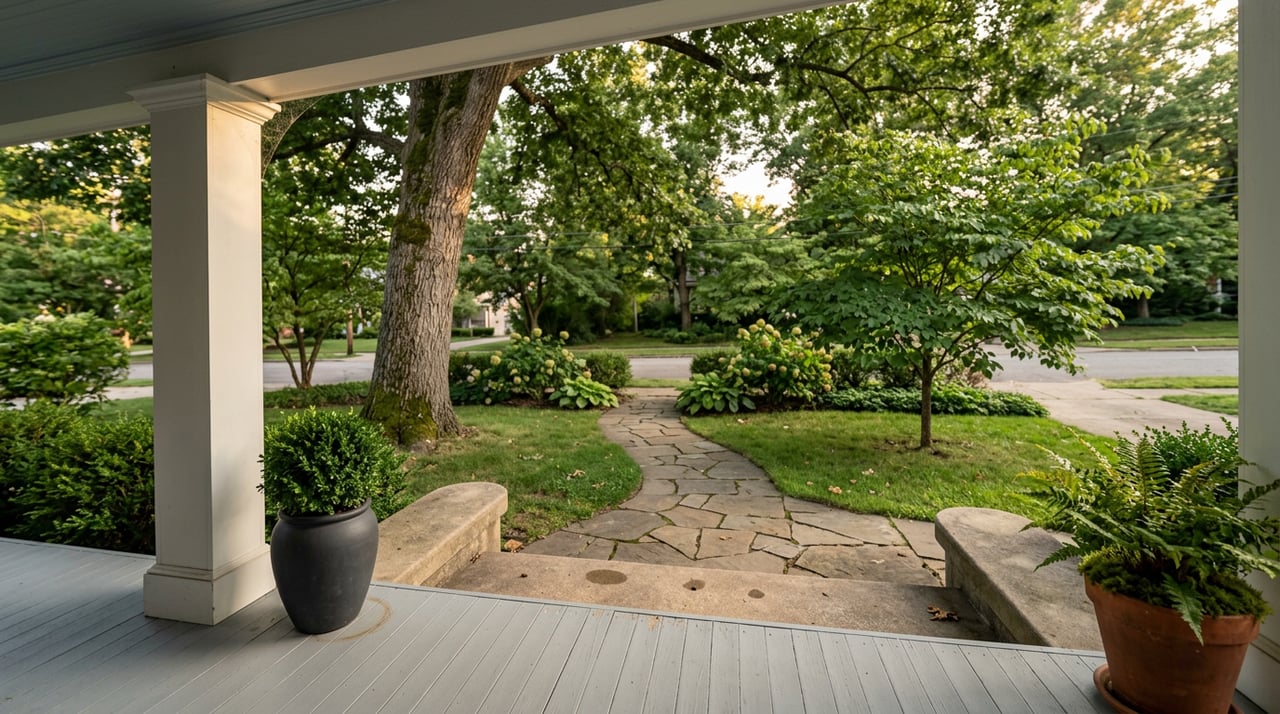
The upper northwest architectural tradition has broader lots, detached garages, front porches, and a neighborhood rhythm shaped by the pedestrian and streetcar infrastructure that built these communities a century ago.
Contemporary and Mixed-Stock Neighborhoods: The Modern Addition
The architectural styles Washington DC has added in the 21st century are concentrated in the city's newest residential development corridors.
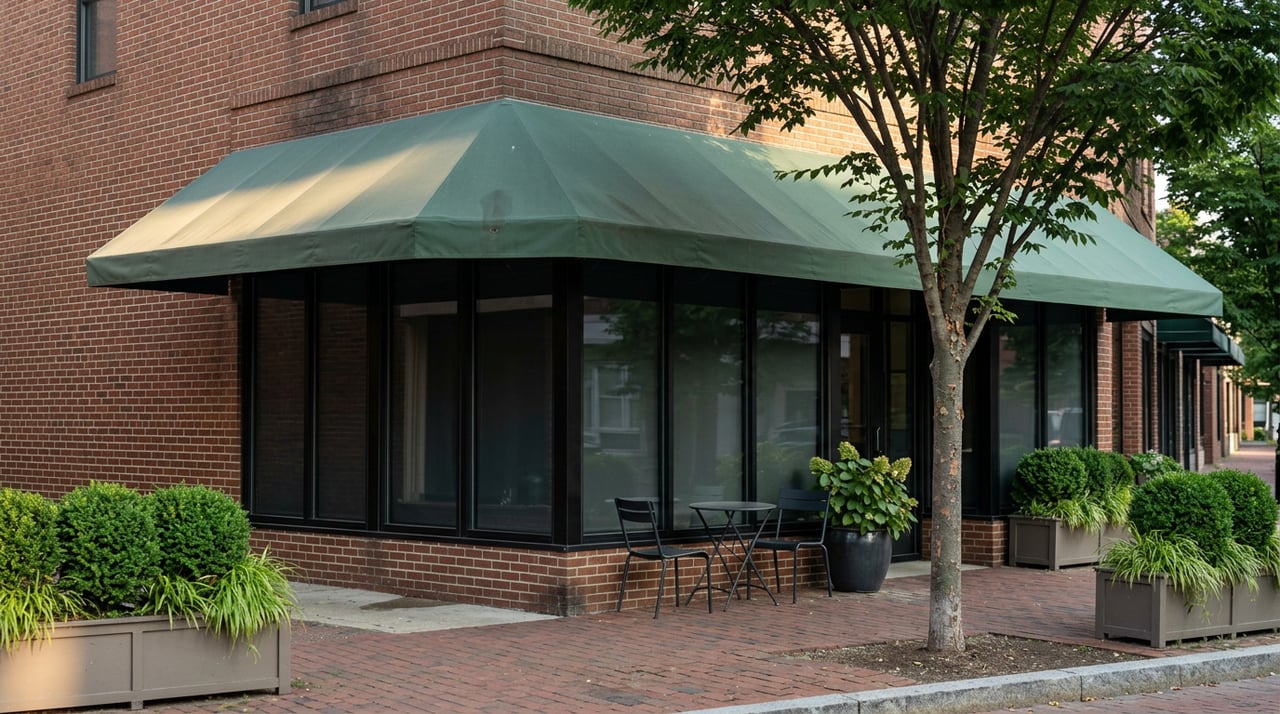
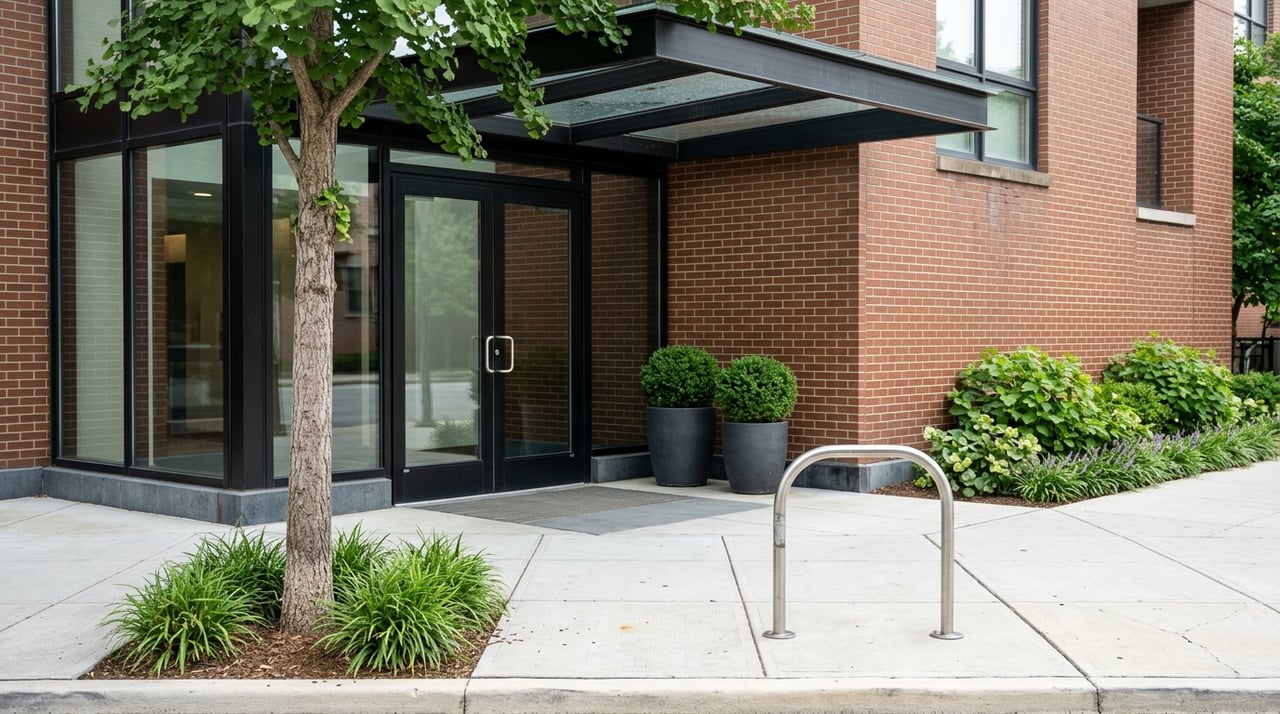
- Navy Yard, the Wharf, and CityCenterDC: The waterfront and downtown development corridors that emerged in the 2010s and 2020s introduced contemporary residential architecture to parts of the city that were previously industrial or underdeveloped
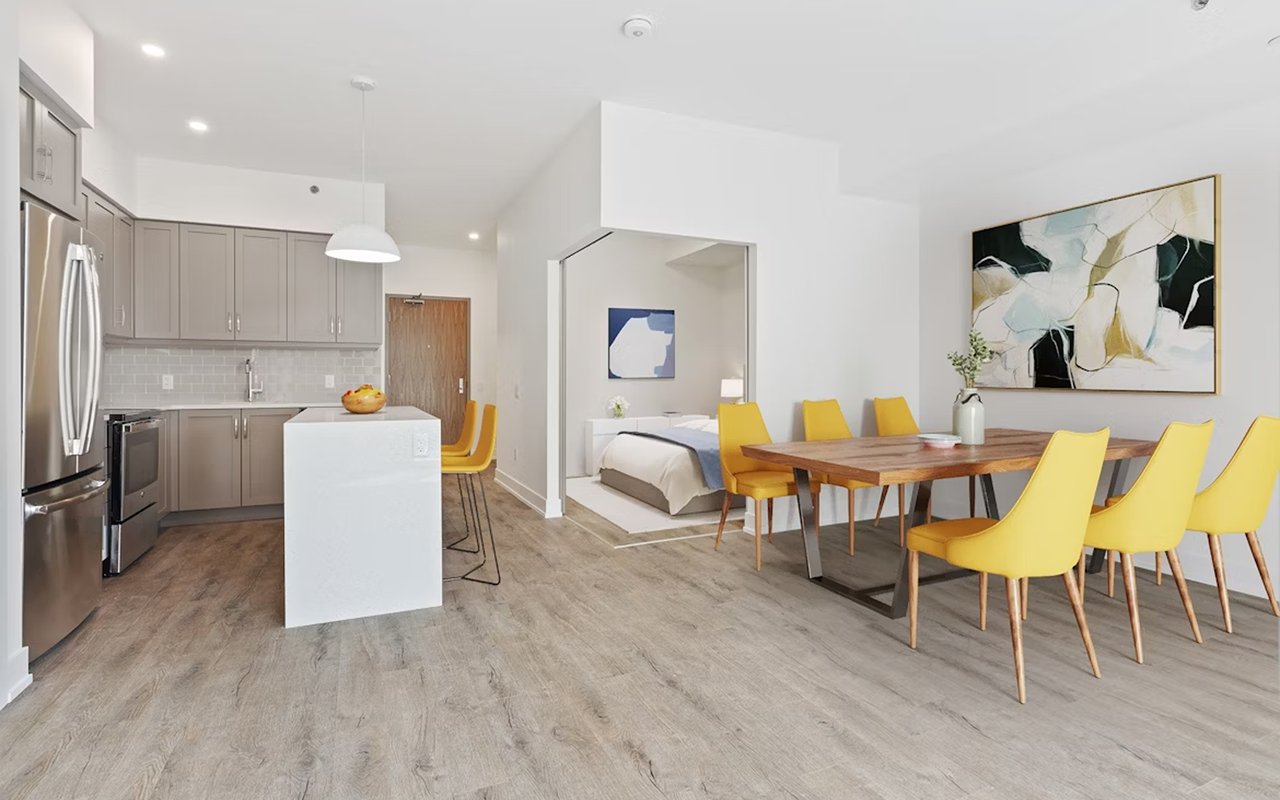
- Shaw and Columbia Heights modern infill: The neighborhoods experiencing the most active new construction infill alongside existing historic stock; buyers in these neighborhoods are often choosing between a renovated historic rowhouse and a newer condo building within a few blocks of each other
- Historic preservation as the value anchor: The architectural diversity of Washington DC is actively maintained by one of the most robust historic preservation systems of any American city
The contemporary additions to Washington DC's architectural landscape are interesting precisely because of how they interact with the historic fabric around them.
FAQs
Which DC neighborhoods have the best-preserved examples of Federal-style homes?
Georgetown is the city's most significant concentration of Federal and Georgian residential architecture, with surviving examples dating to the late 18th century that are actively protected by the Georgetown Historic District's preservation framework. Capitol Hill's western and older blocks carry a meaningful secondary concentration, with properties that often represent a more accessible entry point than Georgetown's premium pricing.
What should buyers know about renovating a Victorian rowhouse in DC's historic districts?
Victorian rowhouses in designated historic districts require DCRA Historic Preservation Review Board approval for exterior modifications including window replacements, facade changes, and additions; the process adds time and cost to renovation projects but also protects the neighborhood character that supports the long-term value of these properties.
How do the architectural styles Washington DC offers affect property values across neighborhoods?
The relationship between architectural style and property value in Washington DC is most directly expressed through the scarcity premium that applies to Federal-period homes in Georgetown and the western blocks of Capitol Hill. Victorian rowhouses in strong historic neighborhoods command their own consistent premium, sustained by the combination of architectural character, walkable location, and the preservation framework that limits new supply. Contemporary condominiums in newer development corridors offer different value drivers, such as modern finishes, building amenities, and urban views.
Contact The Tom Buerger Team Today
Washington DC's architectural landscape is one of the most compelling and complex in the country, and understanding how architectural style, neighborhood character, historic preservation status, and market dynamics interact is one of the most genuinely useful things we bring to every buyer conversation we have in this city.
Reach out to us at
The Tom Buerger Team, and let's talk about which architectural style and which neighborhood is the right fit for you.