Car-Free Living In Logan And Dupont Circle
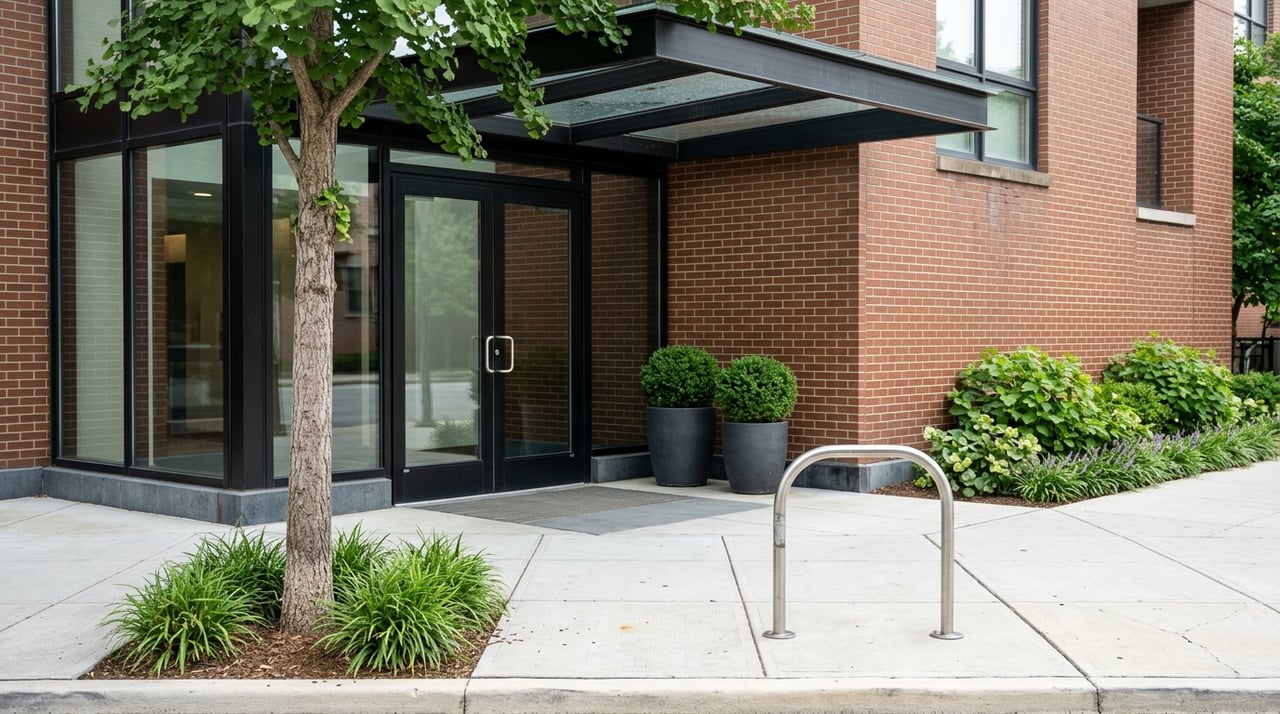
If you want a DC lifestyle where walking to coffee, groceries, dinner, and Metro feels normal, Logan Circle and Dupont Circle deserve a close look. These central neighborhoods make it easier to shape daily life around your feet, a bike, and transit instead of a car. If you are trying to decide whether this kind of setup fits your routine, this guide will help you compare how car-free living works in each area. Let’s dive in.
Logan Circle and Dupont Circle sit in central Ward 2, where historic housing, busy commercial streets, and strong transit access come together. DC planning notes that Logan Circle, Dupont Circle, Shaw, and Mount Vernon Square have changed significantly in recent years, especially along the 14th Street corridor.
That mix matters if you want to live without relying on a car every day. In practical terms, you are looking at neighborhoods where many errands, meals, and social plans can happen within a short walk or a quick Metro trip.
Transit is one of the biggest reasons these neighborhoods support a car-light or car-free routine. Your best fit may come down to whether you want to live right on top of a Metro station or near several station options.
Dupont Circle has its own Red Line station at 1525 20th Street NW. WMATA lists no parking at the station, but it does list bikesharing, which reinforces the neighborhood’s rail-plus-bike pattern.
If you commute regularly or want simple access to other parts of DC, that station can be a major advantage. You can often build your routine around walking to Metro instead of planning around driving.
Logan Circle does not have its own Metro station in the center of the neighborhood, but it is close to several options. Nearby rail access includes U Street, Shaw-Howard U, and Mount Vernon Sq on the Green and Yellow lines.
That gives you flexibility, especially if you move around for work, dining, or weekend plans. Depending on where you live in Logan, you may find that one station works best for weekdays while another fits your evening or weekend routine.
For current transit planning, it is important to focus on Metro rail and Metrobus. DDOT says DC Circulator service ended on December 31, 2024, so it should not factor into your day-to-day expectations.
Logan Circle is especially appealing if you want your daily routine to happen close to home. The neighborhood’s main business corridor is 14th Street NW, where Washington.org describes dozens of restaurants, indie and national-brand shops, and an active bar scene.
That kind of retail concentration can make everyday life feel simple. You may be able to combine coffee, lunch, errands, and dinner into one trip instead of getting in and out of a car several times a day.
The Logan Circle Community Association points to parks ranging from the circle itself to Stead Park and smaller pocket parks. It also identifies the Watha T. Daniel Library near Shaw Metro as the closest public library to Logan Circle.
These amenities help support a neighborhood-based routine. You are not just looking at restaurants and shops, but also green space and practical public resources that fit into a walkable lifestyle.
Logan Circle is associated with turn-of-the-century townhouses and historic architecture. For many buyers, that adds to the appeal of living in a neighborhood where you can step outside and do a lot within a few blocks.
If you picture a more rowhouse-centered environment with a strong street life along 14th Street, Logan may feel like a natural fit. It often appeals to buyers who want an urban routine with residential character.
Dupont Circle also offers a strong car-free setup, but the rhythm can feel a bit different. Retail and activity are dense around the circle and nearby blocks, with Washington.org highlighting bistros, bars, boutiques, museums, and active stretches along 17th Street and Connecticut Avenue.
The Dupont Circle BID says the commercial district spans about 22 blocks, including Dupont Circle, P Street NW, Massachusetts Avenue, and Connecticut Avenue to California Street NW. That creates a broad area where your day can unfold on foot.
For groceries and weekend shopping, the FRESHFARM Dupont Circle Market operates year-round by the Metro entrance at 20th and Q streets. That is the kind of detail that matters when you are thinking about living without a car.
A neighborhood works differently when regular errands are built into your walking route. Instead of treating shopping as a separate driving task, you can often fold it into your normal weekend plans.
The Dupont Circle BID also maintains clean-team and safety-ambassador services across the district. In a dense commercial neighborhood, those services can support pedestrian comfort as you move through the area.
Dupont also has a strong mix of historic housing and commercial access. DC planning describes the neighborhood as home to grand Victorian townhomes and stand-alone mansions, which adds to its distinct urban character.
If your version of car-free living includes short bike trips, both neighborhoods offer solid support. DDOT says its bike map covers cycle tracks, bike lanes, bike routes, trails, safety information, and Capital Bikeshare stations.
Capital Bikeshare says the region has 8,000 bikes and more than 800 stations across seven jurisdictions. That scale can make it easier to use bikeshare for a quick ride to Metro, dinner, or an appointment.
The Dupont Circle BID says the neighborhood is served by five Capital Bikeshare stations. WMATA also shows bikesharing at Dupont Circle station, along with 26 bike racks there.
DDOT is also investing $37 million in a Connecticut Avenue streetscape project with new sidewalks, streetlights, tree boxes, bike lanes, and stormwater management features. Improvements like these can make short bike trips and walking routes feel more practical over time.
For Logan Circle, nearby WMATA station information reinforces the same rail-plus-bike pattern. WMATA shows bikesharing at nearby U Street station, along with 8 bike racks.
If you like the idea of walking for some errands and biking for others, Logan gives you several ways to piece together a flexible routine. That can be especially useful if you want more options than walking alone can provide.
Choosing between Logan Circle and Dupont Circle is not only about transit. It is also about how you want your home and your routine to work together.
Yes, you can. Car-free living here does not mean a car is impossible. It simply means these neighborhoods are structured so you may not need one for most daily tasks.
DC DMV says residents in zoned areas can obtain residential parking permits. Visitor parking permits are available through ParkDC, and parking rules are regulated by DDOT.
In Dupont Circle, the BID also notes street parking and garages throughout the neighborhood. At the same time, WMATA lists no on-site parking at Dupont Circle station, which is a useful reminder that these blocks are designed first for walking, transit, and short local trips.
For many buyers, the real question is not whether you can own a car in Logan or Dupont. It is whether you want your time, budget, and daily habits organized around one.
These neighborhoods make a different routine possible. Based on the concentration of retail, parks, public resources, Metro access, and bikeshare options described by neighborhood and public sources, many residents can likely cluster errands and outings into one or two short walks instead of planning life around driving.
If you are weighing Logan Circle, Dupont Circle, or another close-in DC neighborhood, the right answer usually comes down to how you want to live day to day. A home search works best when it starts with your real routine, not just a map.
If you want help comparing homes, commute patterns, and lifestyle fit in central DC, The Tom Buerger Team can help you find the neighborhood that feels right.
Stay up to date on the latest real estate trends.

One Room, Two Purposes, Zero Compromise.
A Practical Guide to Discovering Your Signature Look.
Making Every Square Foot Work Harder in the District.
A Buyer’s Guide to Residential Architecture in Washington DC.