Preparing Your Petworth Rowhouse For Today’s Buyers
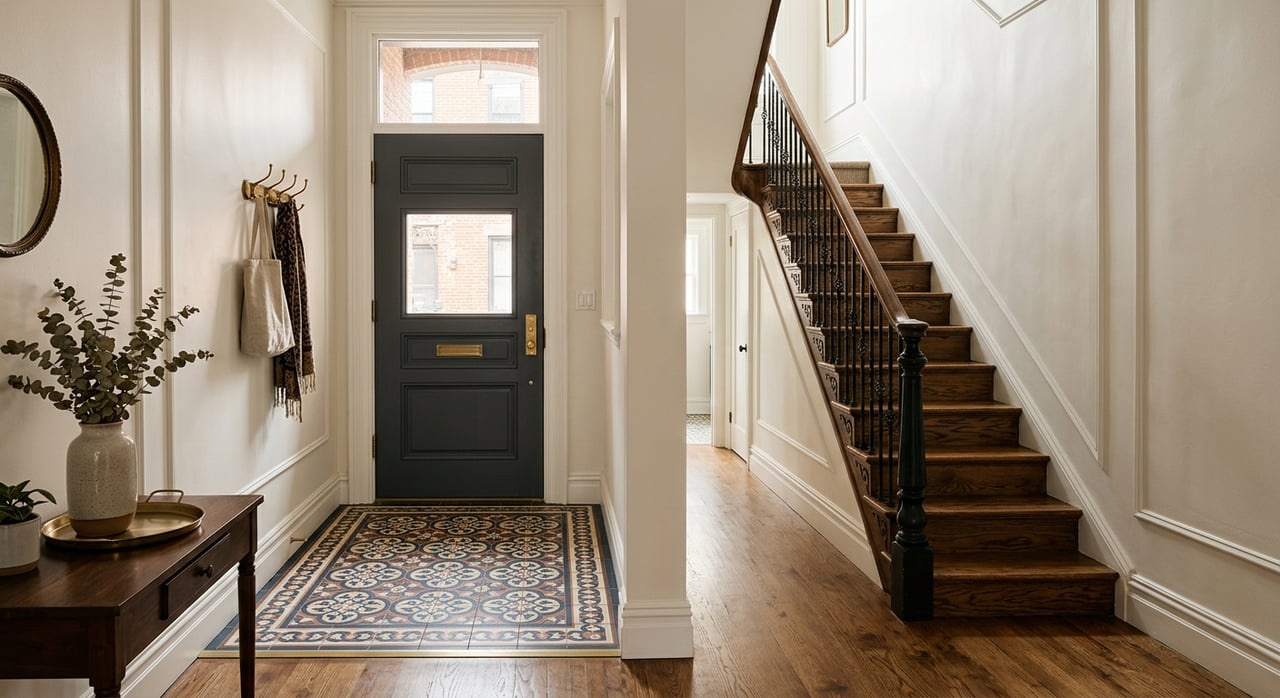
Wondering how much work your Petworth rowhouse really needs before it hits the market? You are not alone. Many sellers want to make smart updates without over-improving, especially in a neighborhood where buyers notice both the home itself and how it fits into the street. The good news is that the most effective prep is often practical, targeted, and respectful of your home’s original character. Let’s dive in.
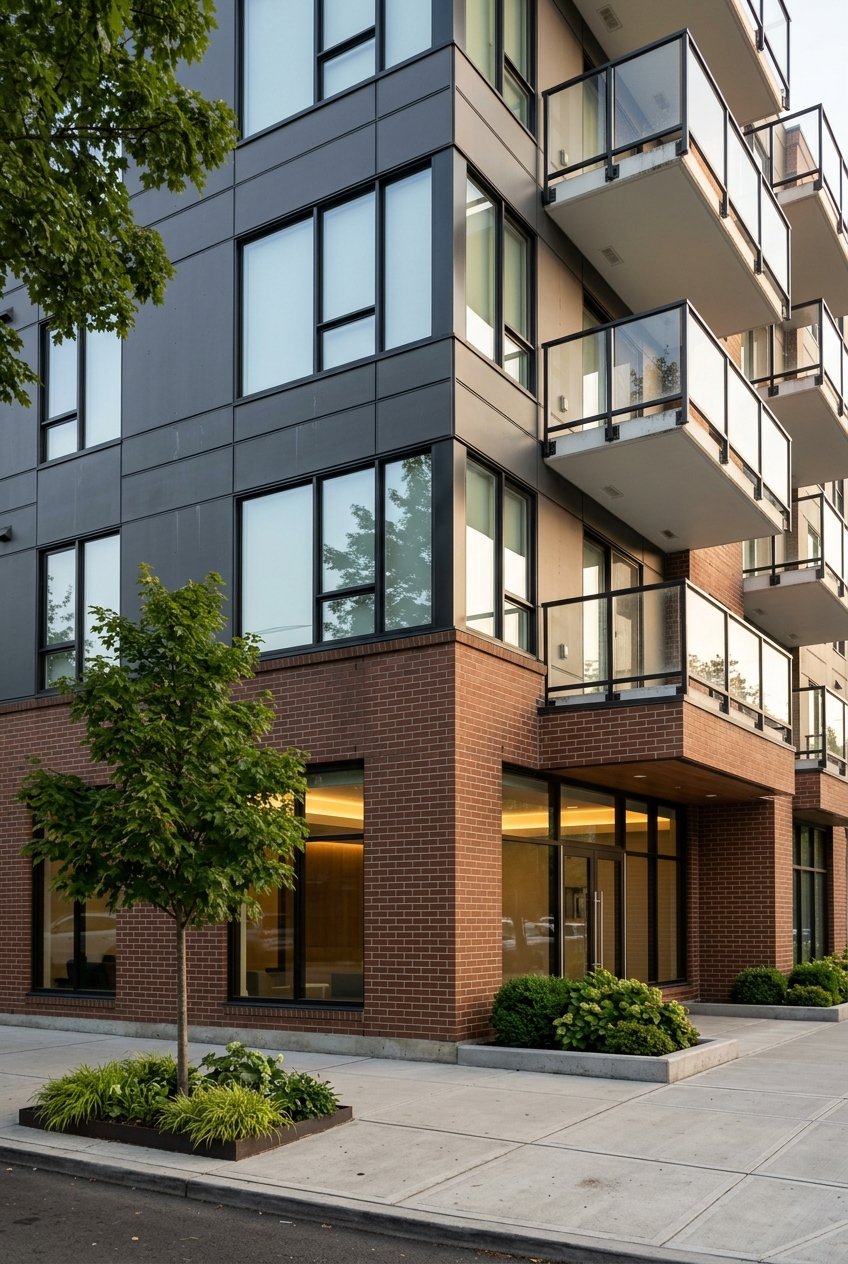
Petworth is not a one-size-fits-all housing market. DC planning materials describe it as a neighborhood known for its townhouse variety, broad boulevards, circles, and a mix of brick rowhouses from the 1920s and 1930s alongside Victorian and Colonial Revival homes.
That matters when you are preparing to sell. Buyers are often looking at your rowhouse as part of a larger streetscape, especially on blocks where architectural details repeat from one house to the next. In places like Grant Circle, where a historic district was designated in 2015, visible condition and architectural compatibility can carry extra weight.
For many Petworth sellers, the biggest first impression happens before a buyer walks through the front door. The front elevation tells buyers how well the home has been maintained and whether its character has been preserved.
Key areas to review include:
DC preservation guidance identifies porches and steps as character-defining features. If your rowhouse has a raised entry, original porch details, or a traditional front walk, those elements deserve attention because they help shape the home’s curb appeal.
Visible exterior wear can create doubts for buyers, even when the larger systems are in decent shape. Loose railings, peeling paint on trim, cracked steps, overgrown shrubs, or tired-looking shutters can make the home feel less cared for than it is.
In many cases, small repairs and maintenance items go a long way. DC guidance says ordinary repairs, painting, window reglazing, weather-stripping, and shrub work generally do not require preservation review. That can make it easier to freshen the exterior before listing.
Old windows are a common seller question in Petworth. The instinct may be to replace them, but that is not always the best move.
DC preservation guidance says historic windows are important character-defining features and should be repaired rather than replaced when possible. Basic repairs, weather-stripping, and storm windows can improve performance and appearance without changing the look buyers expect from an early-20th-century rowhouse.
If replacement is truly needed, the guidance says new windows on primary elevations should closely match the historic appearance. That includes proportions, pane configuration, fit, and overall visual quality.
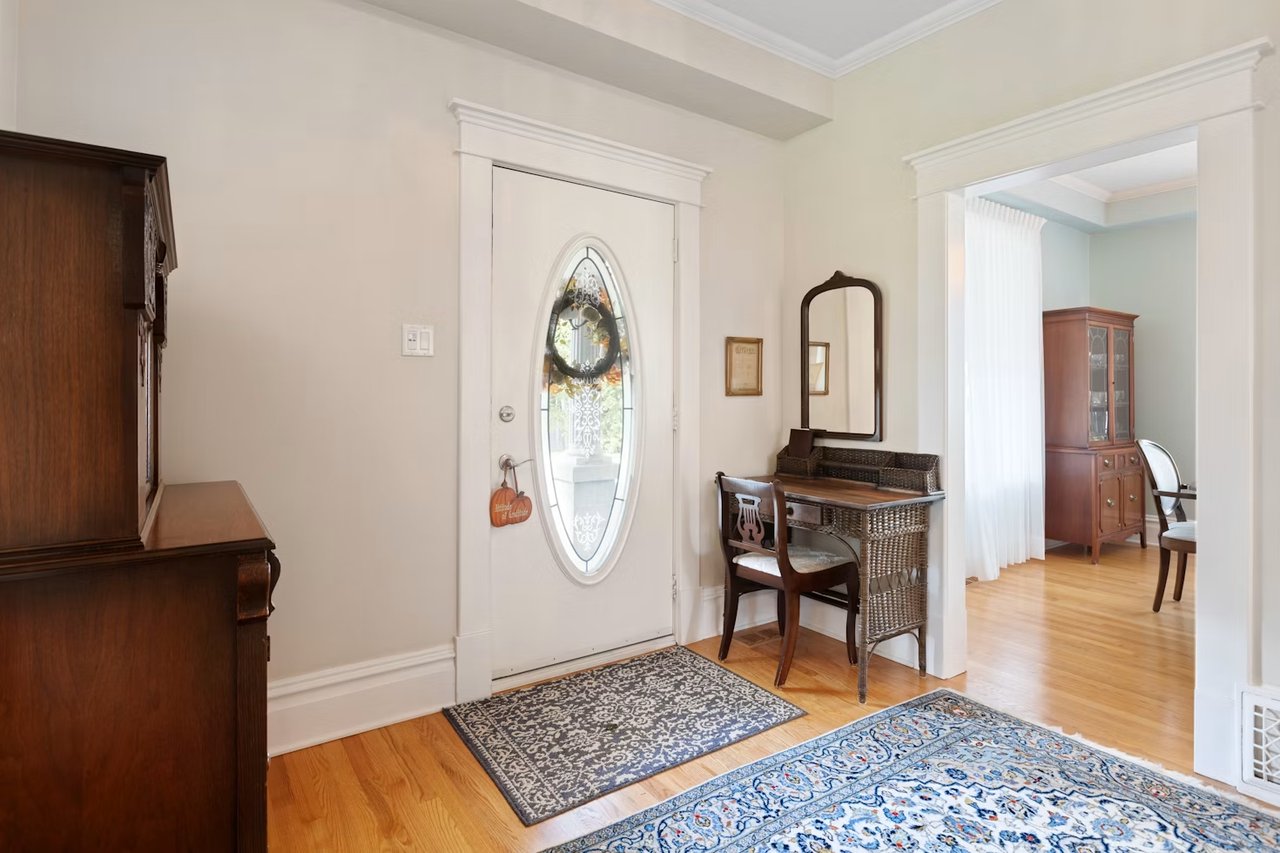
Inside the home, the strongest prep is usually cosmetic and functional. You want buyers to see a home that feels clean, bright, and move-in ready while still appreciating the details that make a Petworth rowhouse distinctive.
The most effective updates often include:
This type of work helps buyers focus on the home’s layout, light, and livability instead of your to-do list. It can also highlight original features instead of competing with them.
Many Petworth rowhouses stand out because of their original details. Buyers often respond to elements that feel authentic to the home’s age and style, whether that means historic windows, traditional trim, or the proportions of older rooms and facades.
That does not mean you should avoid updates. It means the best prep usually balances modern presentation with architectural consistency. A freshly painted interior, repaired floors, and an updated bath can work well alongside preserved historic features.
Before starting exterior work, it is smart to confirm whether your property is in a historic district or is designated as a landmark. In Petworth, that question can vary by address, and some blocks may have preservation review obligations while others do not.
For historic properties, the normal building permit process still applies, but preservation review can be an added step when work affects the exterior appearance. DC says most minor work can move through expedited review, while larger additions, major alterations, and new construction may go before the Historic Preservation Review Board.
Another helpful detail is that DC does not require a separate preservation permit or certificate. Historic preservation approval is handled through clearance of the permit application.
In rowhouse neighborhoods, your project may involve more than your lot line. DDOT defines public space to include sidewalks, alleys, tree space, and the roadway.
That means front walks, alley access improvements, street-tree work, or anything extending into the right-of-way may require a separate permit. If your prep list includes exterior changes near the sidewalk or alley, it is worth checking those rules before work begins.
Because many Petworth homes were built in the early 20th century, lead-safe practices can matter during pre-listing work. EPA guidance says homes built before 1978 are much more likely to contain lead-based paint.
If your prep involves sanding, scraping, or replacing painted surfaces, make sure the work is handled appropriately. Firms performing renovation, repair, or painting that disturbs lead paint must be certified and follow lead-safe practices.
Not every project deserves your time or money before listing. In most cases, buyers respond best to work that improves presentation, function, and confidence.
A useful way to prioritize is to break your prep list into three groups:
These are the projects most likely to affect first impressions or raise buyer concerns.
These can help the home feel more current without changing its character.
These may involve permits, preservation review, or public-space rules.
If you want to prepare your home for sale without managing every vendor and cost upfront on your own, Compass Concierge may be worth discussing. Covered services include staging, floor repair, deep cleaning, decluttering, cosmetic renovations, landscaping, painting, HVAC, roofing repair, fencing, electrical work, and kitchen and bathroom improvements.
Compass describes Concierge as a seller-prep program, not a lender. Compass also says sellers pay when the home sells, the listing ends, or 12 months pass from the start date, subject to program terms that may vary by market.
For some sellers, that can be a helpful coordination tool for getting a Petworth rowhouse market-ready. The key is to use it thoughtfully, based on your home’s needs and listing strategy.
If you are getting ready to sell, the goal is not to erase your home’s age. It is to present it in a way that feels well-maintained, inviting, and true to the neighborhood buyers came to see.
In Petworth, that usually means polishing the front elevation, addressing visible maintenance, refreshing the interior, and checking local rules before starting exterior projects. When you focus on the details buyers notice most, you give your rowhouse the best chance to stand out for the right reasons.
If you want help deciding what to fix, what to leave alone, and how to prepare your Petworth home for today’s buyers, The Tom Buerger Team can help you build a plan that fits your timeline and goals.
Stay up to date on the latest real estate trends.

Knowing When to List Can Make All the Difference.
Preserving Character While Bringing Your Home Into the Present.

The D.C. Homeowner's Guide to a Workspace That Actually Works.

Top Ideas for a Convenient, Carefree Living Space.
First Impressions Start at the Front Door.