By The Tom Buerger Team
When someone approaches your home in Washington, D.C., the entryway is the first feature they see and the last thing they forget. Whether you live in a historic rowhouse in Capitol Hill, a sleek condo in Logan Circle, or a Craftsman in Petworth, the entryway sets the emotional tone for everything that follows. It tells a story about who lives inside and how much care has gone into the space. That story begins before anyone ever steps through the door.
D.C. architecture tends to reward thoughtful design. The city is rich with period details, bold facades, and front stoops that have anchored neighborhoods for over a century. But a beautiful exterior or an impressive address alone will not do all the work. The entryway, both the approach and the interior foyer, requires its own intention. Whether you are preparing to sell, welcoming guests, or simply investing in the home you love, upgrading this space is one of the highest-return improvements you can take on.
The good news is that a welcoming entryway does not require a full-scale renovation. It requires a clear point of view and a few well-executed decisions. The tips below will walk you through how to think about every layer of your entry, from curb to foyer, so your home makes the kind of first impression that lingers.
Key Takeaways
- The approach to your front door, including the path, plantings, and lighting, shapes how visitors experience your home before they arrive inside.
- Front door color and hardware are among the most cost-effective ways to elevate a D.C. home's exterior presence.
- Interior entryways benefit from a clear visual anchor, intentional lighting, and functional storage that does not sacrifice style.
- Small details like mirrors, rugs, and artwork can transform a foyer from a transitional space into a memorable design moment.
- Entryway upgrades consistently rank among the highest-ROI improvements for D.C. homeowners preparing to list.
Start With the Approach
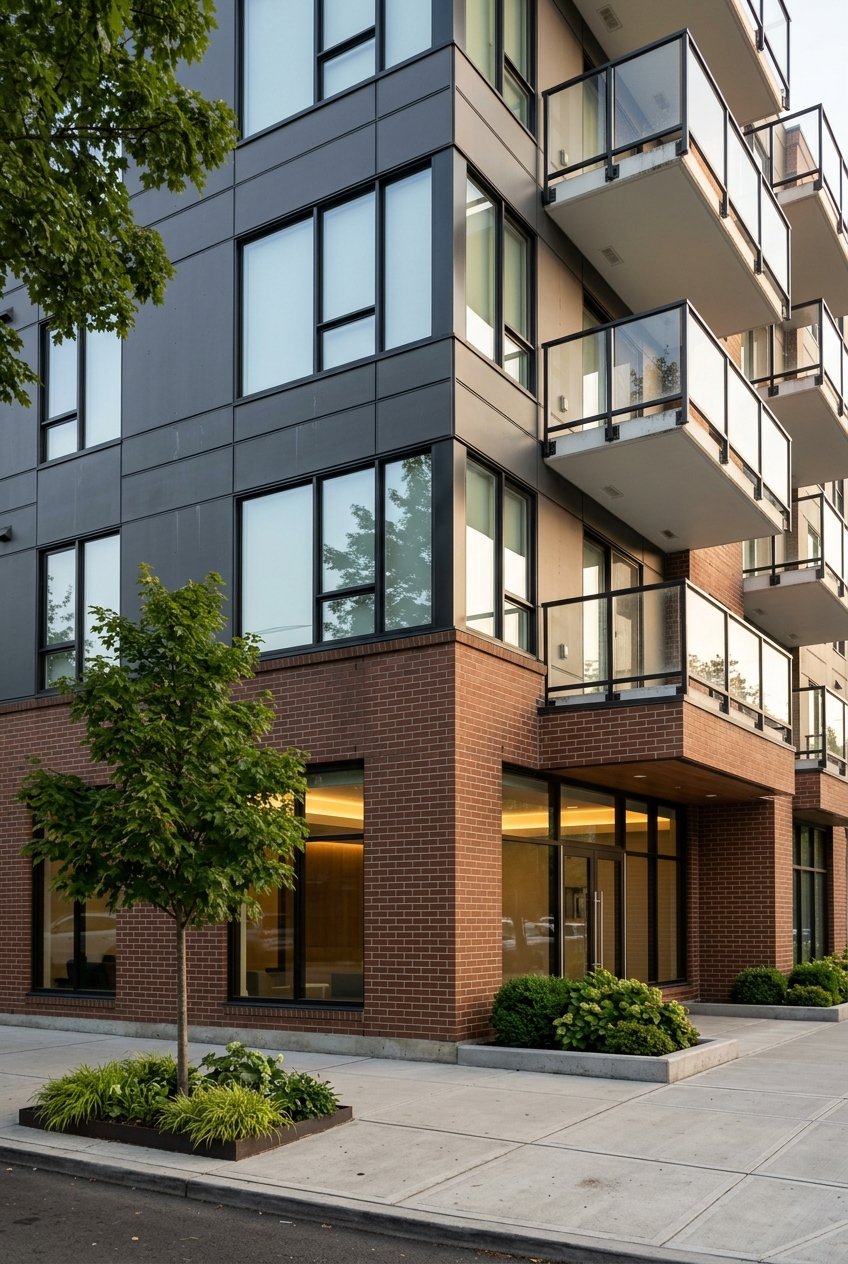
The path from the sidewalk to your front door is the opening sequence of your home's story. In many D.C. neighborhoods, this means working with a brick stoop, iron railings, and mature street trees, elements that can be assets when maintained and liabilities when neglected. Clean hardscape, fresh mortar where needed, and even a simple power wash can transform how your home presents from the street.
Landscaping plays an equally important role. You do not need elaborate plantings to make a great impression; what you need is intention. Symmetry tends to work well in historic rowhouse contexts; think matching planters flanking the door or a pair of clipped boxwoods framing the stoop. In more contemporary homes, an asymmetrical arrangement with interesting texture can feel more current. The goal is to make the transition from sidewalk to door feel considered and welcoming, not overgrown or bare.
Lighting the approach is often overlooked, but it does significant work in the evening hours. Lantern-style sconces on either side of the door are a classic choice that suits D.C.'s traditional architecture well. Path lighting, whether solar or hardwired, adds a layer of warmth and guides visitors toward the entry with purpose.
Elements of a Strong Exterior Approach
- Keep brick, stone, and concrete surfaces clean and in proper repair, paying particular attention to cracked mortar or uneven steps.
- Choose planters or landscaping that frames the entry symmetrically or with clear visual intention.
- Install exterior lighting at the door and along the path to make the approach welcoming at all hours.
- Remove any items from the stoop or porch that accumulate over time and distract from the entry's first impression.
Invest in Your Front Door
Your front door is the single highest-impact element of your home's exterior. It is where the eye lands and where visitors form their first tangible impression of the space. In Washington, D.C., where homes often share a wall and a street rhythm with dozens of similar facades, a well-chosen front door color is one of the most powerful ways to distinguish your residence and give it personality.
Color choices range from quiet elegance to bold confidence. Deep navy, matte black, forest green, and classic red are all popular in D.C. rowhouse contexts and tend to photograph beautifully. If your home features a more contemporary aesthetic, a warm charcoal or a soft sage can work equally well. Whatever you choose, make sure that the door color complements the masonry or siding and feels like a decision rather than a default.
Hardware matters as much as color. Replacing a dated brass knob with a brushed nickel lever or an aged bronze knocker takes less than an afternoon and costs relatively little, but it signals attention to detail immediately. If you have a door with glass panels or sidelights, consider whether the window treatments or film visible from the street contribute to or detract from the overall look.
Front Door Upgrade Priorities
- Choose a door color that has personality and works with your home's exterior materials; avoid colors that simply blend in.
- Replace outdated hardware, including the knob, knocker, hinges, and house numbers, with finishes that feel cohesive.
- Ensure that the door itself is in excellent condition; a fresh coat of paint on a door with visible wear will only go so far.
- Add a quality doormat and, if space allows, a potted plant or two at the threshold to make the entry feel curated.
Design the Interior Foyer With Function and Style
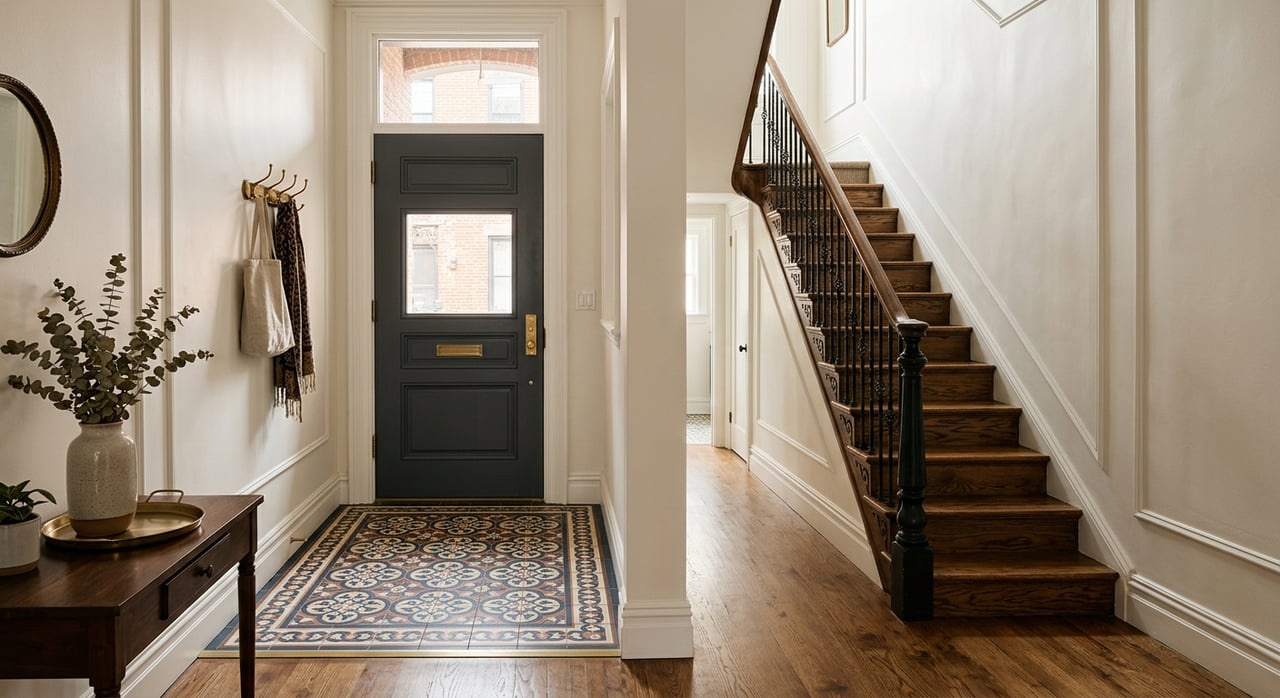
Once inside, the foyer has a dual responsibility: it needs to feel beautiful, and it needs to work well. In D.C. homes, entry spaces vary widely. Some rowhouses have a true foyer with room to breathe; others open almost directly into the living space. Either way, the principle is the same: create a clear visual anchor and manage the functional demands of daily life without letting them take over.
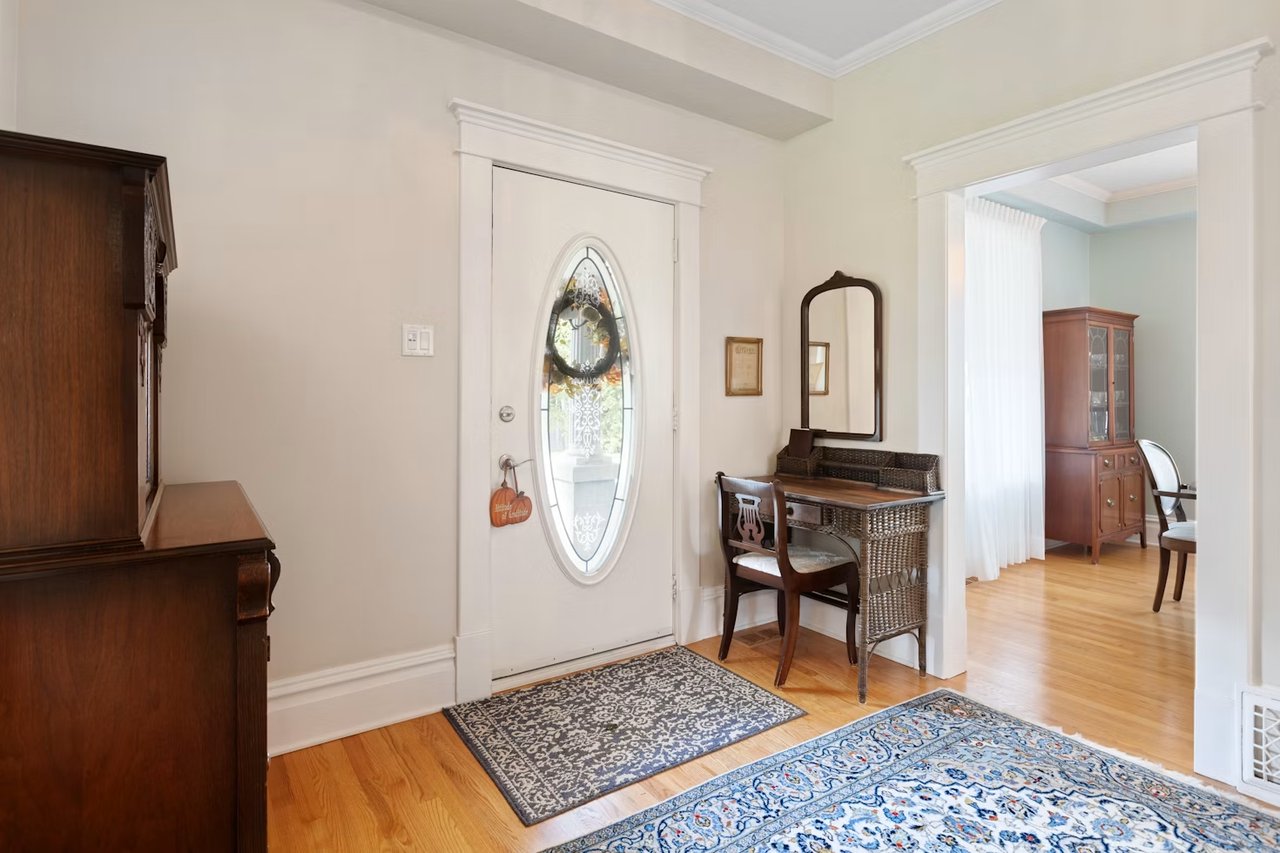
A console table is often the most versatile piece of furniture an entryway can hold. It provides a landing surface for keys and mail, a base for a lamp or art object, and a visual centerpiece that the eye travels to immediately upon entering. Pair it with a mirror above to amplify light and give the space a sense of depth; this is especially useful in narrower D.C. foyers where square footage is limited.
Storage is the other essential component, and how you handle it will determine whether the entryway feels calm or cluttered. Built-in hooks, a streamlined coat closet, or a bench with hidden storage beneath it are all approaches that keep everyday items out of sight. The best entryways look effortless precisely because the practical elements have been thoughtfully resolved.
Interior Entryway Design Essentials
- Anchor the space with a console table, credenza, or built-in bench that defines the entry as its own zone.
- Hang a mirror above the console to reflect light and make the foyer feel larger and more open.
- Use a quality area rug to define the entry underfoot and add warmth, especially on hardwood or tile floors.
- Incorporate at least one piece of art or an object with personal meaning to give the space character.
- Address coat and bag storage early; hooks, a closet, or a bench will determine how the space functions on a daily basis.
Use Lighting to Set the Tone
Lighting is one of the most transformative tools in any interior design context, and the entryway is no exception. The foyer is often the darkest room in a home due to limited windows and its transitional nature, which makes thoughtful lighting not just a style choice but a practical one.
An overhead fixture in the entry should be treated as a design moment rather than an afterthought. A statement pendant, a classic lantern, or a sculptural flush-mount all work well, depending on the ceiling height and architectural style of the home. In a D.C. rowhouse with original moldings and period detail, a fixture with some age to it, whether truly antique or a well-made reproduction, can feel completely at home. In a more modern renovation, something clean and graphic will read more appropriately.
Layer the lighting beyond the overhead by adding a table lamp on the console, if the space allows, and ensuring that any artwork or architectural detail is appropriately lit. Sconces flanking a mirror or a console can add warmth and symmetry to the space. The goal is an entry that feels luminous and inviting.
Lighting Layers for a D.C. Entryway
- Choose an overhead fixture that functions as a design feature, not just a source of light.
- Add a table lamp on the console to create a secondary, warmer light source at eye level.
- Consider sconces if the wall space allows; they add elegance and reinforce symmetry.
- Use warm-toned bulbs throughout the entry to create a welcoming atmosphere as soon as the door opens.
FAQs
What Is the Best Front Door Color for a D.C. Rowhouse?
Deep navy, matte black, forest green, and classic red are all compelling choices for D.C. rowhouses. The right color depends on your home's masonry color, architectural period, and the impression you want to create. Generally, a door with contrast and personality will read better on the street than one that blends into the facade.
How Do I Make a Small Entryway Feel More Open?
Mirrors are your most reliable tool. A large mirror hung above a console table reflects light and visually expands the space. Keeping the area free of clutter, using light paint colors on the walls, and selecting furniture with slim profiles will all help a narrow or compact foyer feel more open.
Does Entryway Design Actually Affect Home Value in D.C.?
Yes, and meaningfully so. First impressions established at the entry carry through a buyer's entire experience of a home. Homes that present beautifully from the curb and have a well-designed foyer tend to photograph better, show better, and generate stronger emotional responses from buyers. Entryway improvements consistently rank among the highest-ROI upgrades for sellers in competitive urban markets like Washington, D.C.
Your Home Deserves an Eye-Catching Opening Act
The entryway is where your home introduces itself. Every decision you make in that space, from the color of the door to the fixture overhead to the rug underfoot, contributes to the story your home tells before a single room is explored. In Washington, D.C., where architecture already sets a high bar, a well-designed entry elevates a home from impressive to unforgettable.
Whether you are preparing to sell or simply investing in the home you love, these upgrades pay dividends in how the space feels to everyone who walks through the door. And when you are ready to take that next step in the D.C. real estate market, our team is here to guide you through it. Reach out to us at
The Tom Buerger Team to connect with a group of Washington, D.C., real estate professionals who understand what makes a home truly stand out.