By The Tom Buerger Team
If you have ever opened an energy bill in the middle of a humid July or a bitter January and felt your stomach drop, you already know that living in Washington, D.C., comes with energy demands. The District's climate swings from swampy summers to chilly winters, and that range puts pressure on your heating and cooling systems.
Making your D.C. home more energy efficient is not about one dramatic renovation. It is about a series of smart improvements that add up, from sealing the drafts in a century-old rowhouse to upgrading the systems that quietly run in the background.
Whether you own a Capitol Hill rowhome, a condo in Navy Yard, or a detached house in one of the leafier upper Northwest neighborhoods, the path to a more efficient home follows the same core principles.
Key Takeaways
- Sealing air leaks and improving insulation are the most cost-effective first steps for any Washington, D.C., home, especially older rowhouses.
- Upgrading to Energy Star appliances and a high-efficiency HVAC system can significantly reduce your year-round energy use.
- A professional home energy audit helps you prioritize improvements.
Start With a Home Energy Audit
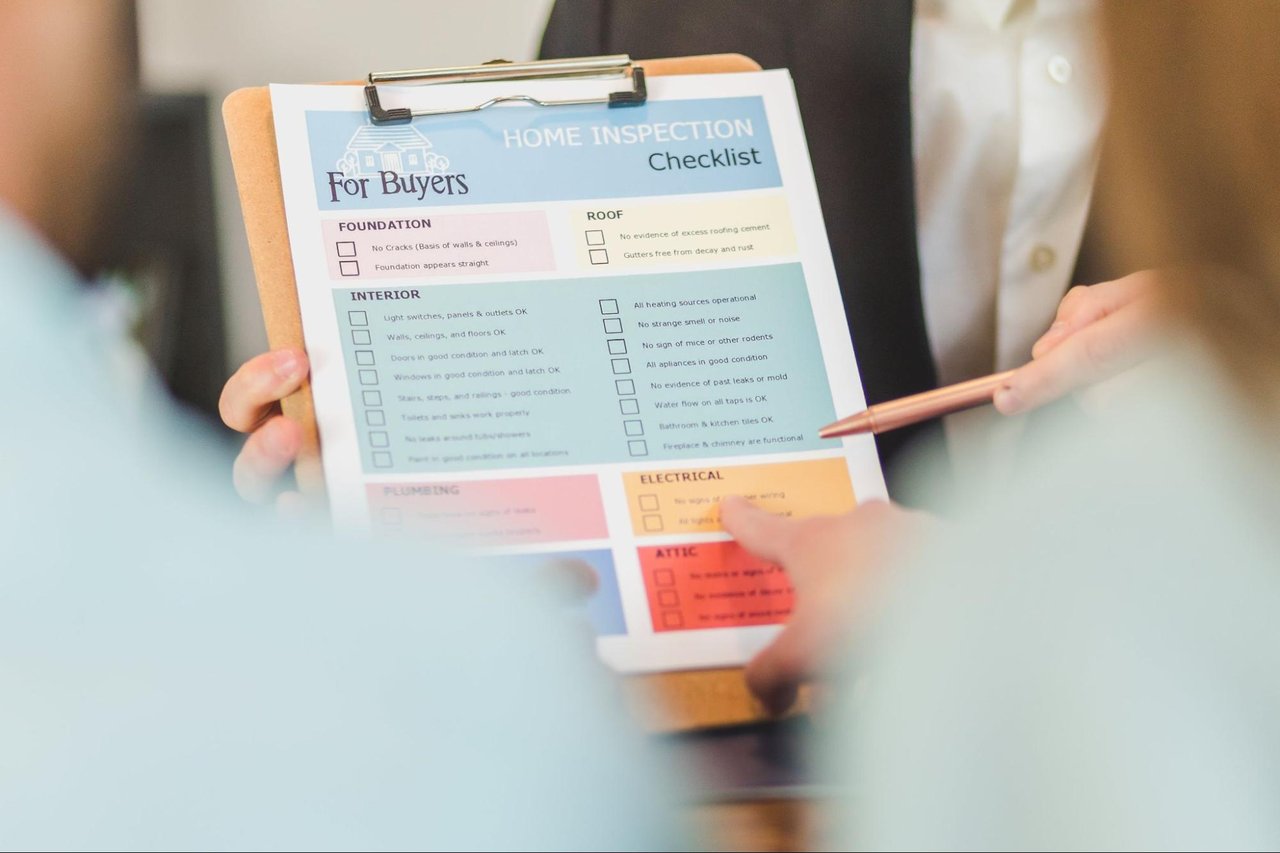
A home energy audit is a professional assessment that measures how efficiently your house uses power, and it typically reveals surprising sources of waste. In many D.C. homes, the biggest culprits are air leaks around old window frames, uninsulated attics, and gaps where additions meet original construction.
An auditor uses tools like a blower door test and thermal imaging to pinpoint where conditioned air escapes and where outdoor air sneaks in. The result is a prioritized list of improvements ranked by impact, so you spend your budget where it counts instead of guessing. For older housing stock, which the District has in abundance, this step often uncovers issues that no visual inspection would catch.
What an Audit Typically Covers
- The condition and coverage of insulation in the attic, walls, and crawl spaces.
- Air leakage around windows, doors, chimneys, and utility penetrations.
- The efficiency and age of your heating and cooling equipment.
- The performance of your water heater and major appliances.
- Opportunities to qualify for local rebates based on the findings.
Seal, Insulate, and Stop the Drafts
Once you know where your home is losing energy, sealing and insulating are almost always the highest-return upgrades you can make. Air sealing addresses the small gaps and cracks that let heated or cooled air escape, while insulation slows the transfer of heat through your walls, attic, and floors. Together, they keep your home comfortable with far less work from your HVAC system.
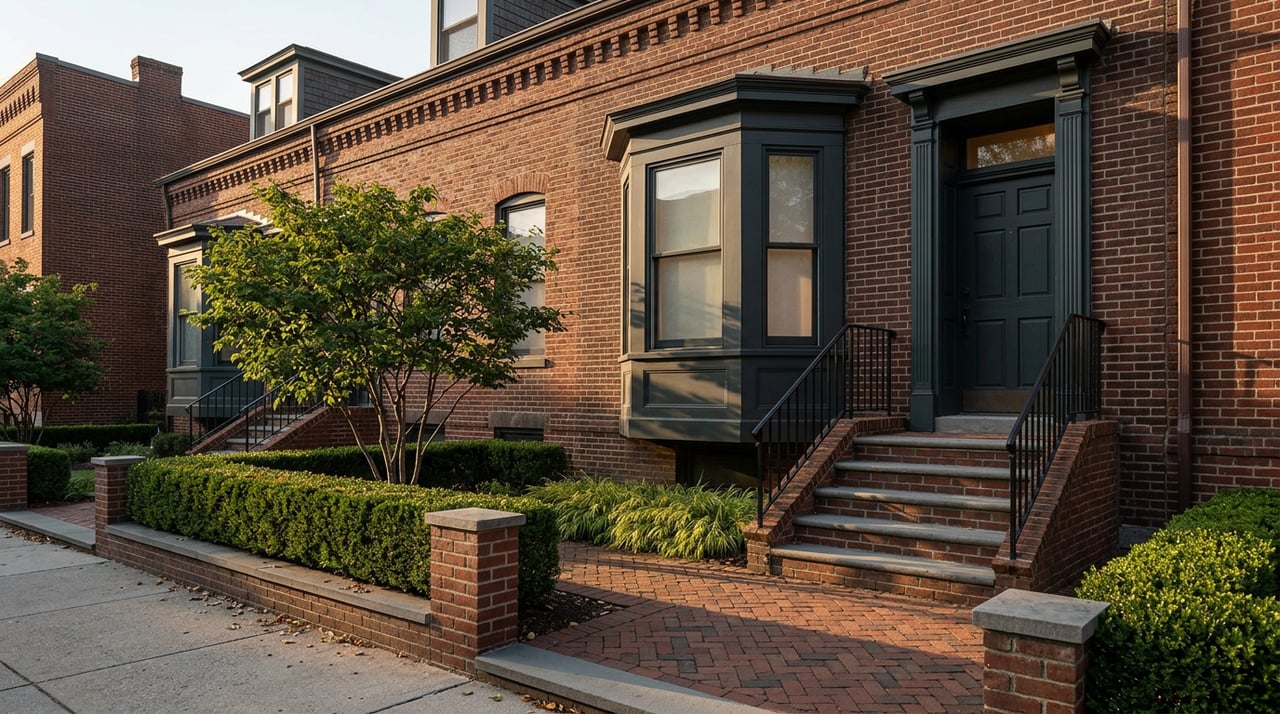
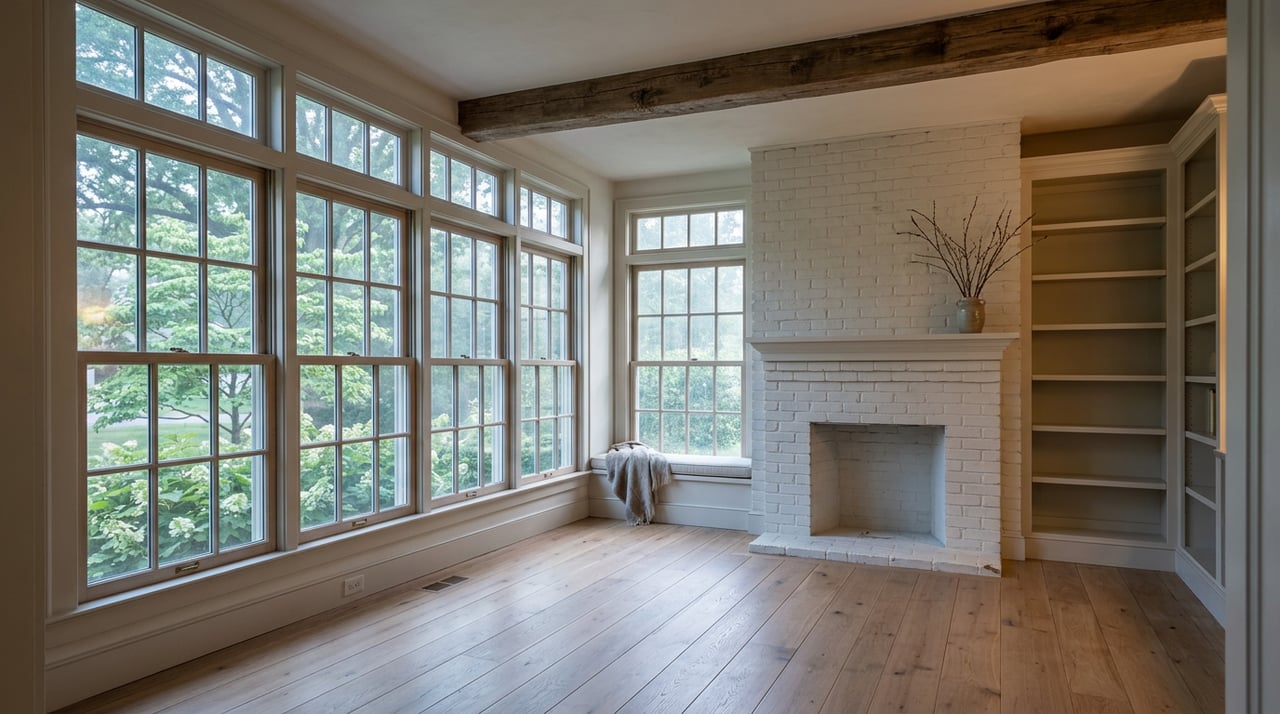
Washington, D.C.'s older rowhouses and historic homes are notorious for drafts, particularly around original single-pane windows and where floors meet exterior walls. You do not always need to replace the windows themselves to see improvement. Weatherstripping, caulk, and storm windows can dramatically reduce leakage at a fraction of the cost of full replacement, which matters if your home sits in a historic district with restrictions on exterior changes.
Attic insulation deserves special attention in the District's climate. Heat rises in winter and pours in through the roof in summer, so a well-insulated attic reduces both your heating and cooling loads.
Where to Focus
- The attic hatch and any recessed lighting fixtures that penetrate the ceiling.
- Around window and door frames, particularly on older units.
- Rim joists and the area where the foundation meets the framing.
- Gaps around plumbing, ductwork, and electrical penetrations.
- Basement and crawl space walls, which are often overlooked.
Upgrade Your Systems and Appliances
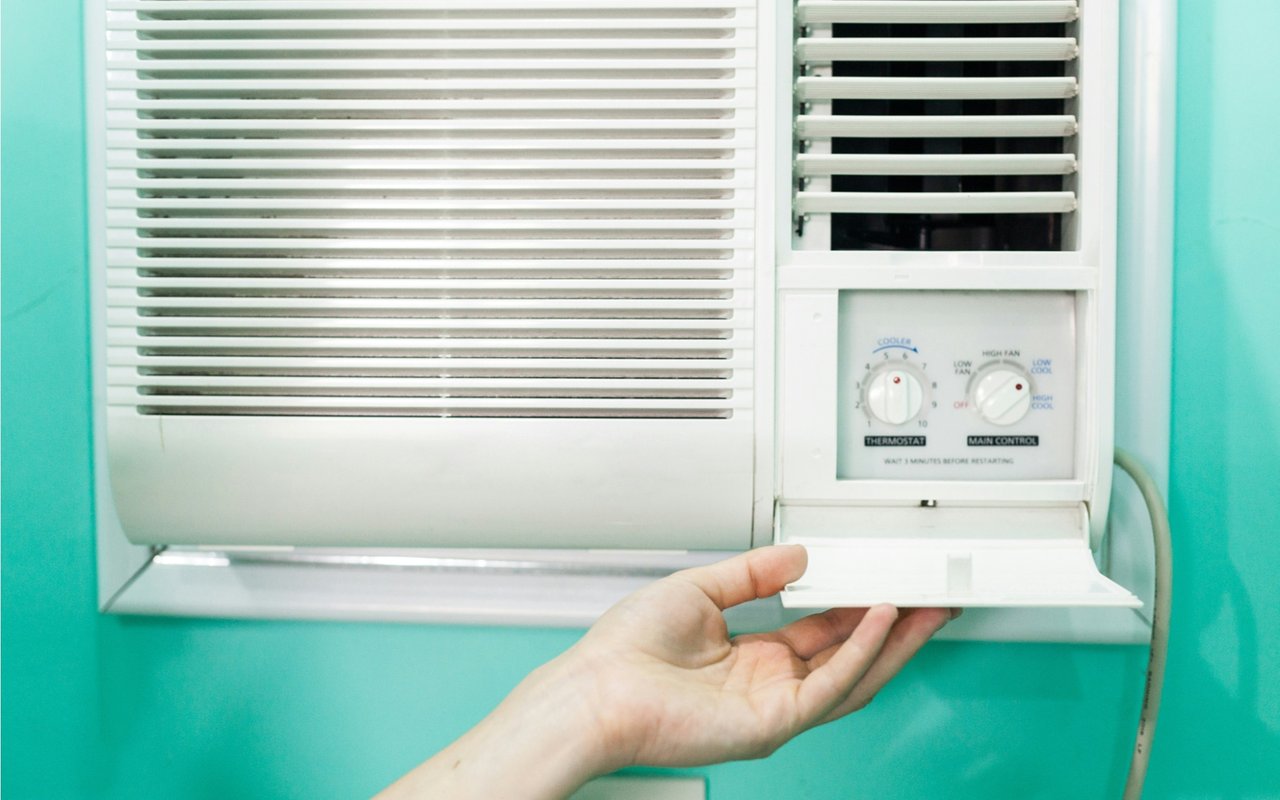
Your heating and cooling system is the single largest energy consumer in most D.C. homes, so upgrading it can transform your bills. If your furnace or air conditioner is more than 15 years old, a modern high-efficiency replacement will use noticeably less energy for the same comfort. Heat pumps have become especially popular in the District because they handle both heating and cooling in one system and perform well in the region's moderate winters.
Beyond the HVAC system, your water heater and appliances quietly shape your monthly costs. Energy Star-certified refrigerators, dishwashers, and washing machines use notably less electricity and water than older models. When it is time to replace a water heater, a heat pump water heater or a tankless model can cut energy use compared to a standard tank, and both qualify for incentives in many cases.
Programmable and smart thermostats are a smaller upgrade with an outsized effect. By automatically adjusting the temperature when you are asleep or away, they reduce waste without asking you to think about it. Over a full year of D.C. weather, that automation adds up to real savings.
Upgrades Worth Prioritizing
- A high-efficiency heat pump that manages both heating and cooling.
- A heat pump or tankless water heater to replace an aging tank unit.
- Energy Star-certified major appliances as older ones wear out.
- A programmable or smart thermostat to optimize daily temperature settings.
- LED lighting throughout the home to reduce electricity use.
FAQs
What Is the Cheapest Way to Make My D.C. Home More Energy Efficient?
Air sealing is almost always the most cost-effective place to start. Caulking gaps, adding weatherstripping, and sealing the attic hatch cost very little and immediately reduce the drafts that force your HVAC system to work harder. Pairing that with attic insulation gives you the strongest return before you consider larger investments.
Are Older Rowhouses in Washington, D.C., Harder to Make Efficient?
Older rowhouses come with their own challenges, particularly original windows and limited wall insulation, but they respond very well to targeted upgrades. Storm windows, air sealing, and attic insulation can dramatically improve comfort without altering a historic facade. A home energy audit is especially valuable for these properties because it identifies the specific weak points worth addressing.
Will Energy-Efficient Upgrades Increase My Home's Value in D.C.?
Efficiency improvements can make your D.C. home more attractive to buyers, who increasingly factor utility costs and comfort into their decisions. Documented upgrades, such as a new high-efficiency HVAC system, added insulation, or solar panels, can help your home stand out in the D.C. real estate market. When we list a home, we make sure these features are highlighted, because they resonate with today's buyers.
Building a More Comfortable, Lower-Cost Home in D.C.
Making your Washington, D.C., home more energy efficient is one of the most practical investments you can make. From sealing drafts in an older rowhome to installing a modern heat pump or rooftop solar, each improvement works together to reduce waste and keep your home comfortable through the District's demanding seasons.
If you are ready to make your D.C. home more efficient, or if you want to understand how these upgrades could affect your home's value before selling, we would love to help. Reach out to
The Tom Buerger Team, and let us walk you through the smartest next steps for your Washington, D.C., home and your goals.