By The Tom Buerger Team
You have found a rowhouse in Capitol Hill or a condo in Logan Circle that checks every box, your offer has been accepted, and now a lengthy inspection report lands in your inbox. It is full of photographs, technical terminology, and a color-coded list of findings that can feel overwhelming the first time you open it. Suddenly, the excitement of buying a home in Washington, D.C., gets tangled up in questions about aluminum wiring and whether a "material defect" is something to walk away from.
Learning how to interpret a home inspection report as a buyer is one of the most valuable skills you can develop during the purchase process.
Key Takeaways
- Most inspection reports use a rating system, and understanding that structure helps you separate urgent items from routine maintenance notes.
- Older D.C. housing stock brings specific considerations, so knowing what tends to show up in local rowhouses and condos helps you read findings in context.
- Working through the report with our team gives you a clear plan for repairs, negotiations, and next steps before your contingency period ends.
How is the Report Organized?
Most inspection reports open with a summary or overview page, then move into detailed sections organized by system: roof, exterior, structure, electrical, plumbing, heating and cooling, interior, and so on. The summary is designed to highlight the findings the inspector considers most significant, while the body of the report documents everything observed, including minor notes and general maintenance recommendations. Reading only the summary can leave you with an incomplete picture of your new home in D.C., so it helps to treat it as a starting point rather than the whole story.
Each finding typically includes a description, a photograph, and a recommendation. The recommendation is often the most useful part because it tells you what the inspector suggests doing next, whether that is monitoring the item, scheduling routine service, or bringing in a specialist for further evaluation.
As you read, pay attention to how the findings are grouped. A cluster of notes under one system, such as several plumbing items appearing together, can signal that a component is aging and may need attention sooner rather than later.
What Each Section Covers
- The structural section addresses the foundation, framing, and signs of movement or settling.
- The exterior section reviews the grading, drainage, siding, and the condition of the roof and gutters.
- The systems section documents the electrical panel, plumbing supply and drainage, and the heating and cooling equipment.
Severity Ratings and Terminology
Inspectors use rating systems to communicate how serious each finding is, and these systems vary from one company to another. The first thing to do is find the legend, usually near the front of the report, so that you understand exactly what each label means for that specific inspector.
Certain terms carry weight and deserve your attention. A "material defect" generally refers to a condition that could have a meaningful impact on the property's value or that poses an unreasonable risk to people.
Phrases like "near the end of its serviceable life" indicate that a component still works but should be budgeted for replacement in the near future. Language like "further evaluation recommended" means the inspector observed something that warrants a specialist's opinion before you draw conclusions.
Prioritize the Findings
- Focus first on structural, electrical, and plumbing items flagged as significant, since these tend to carry the highest repair costs.
- Note any items described as potential hazards, as these often become points of discussion during negotiations.
- Flag anything marked for further evaluation so that you can schedule a specialist before your contingency period closes.
What to Expect in Washington, D.C., Homes
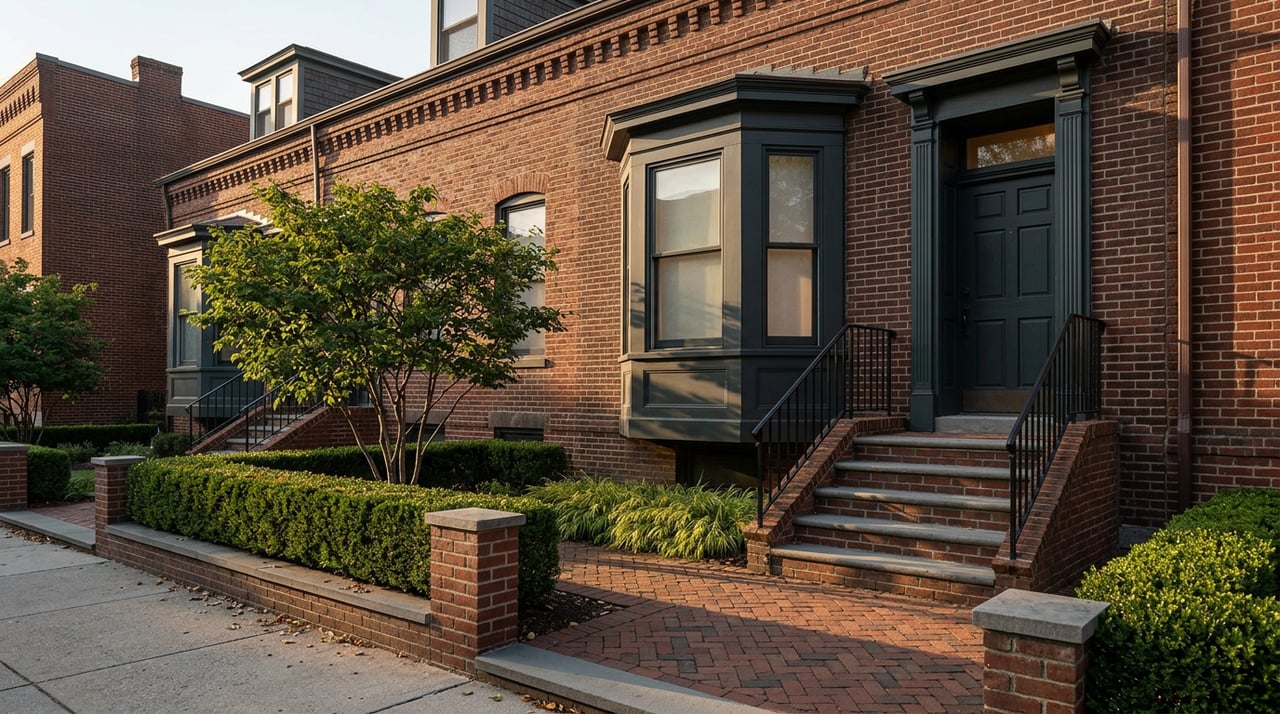
The District's housing stock is older than in many parts of the country, so reports on local properties often reflect the age and character of the buildings. Historic rowhouses in neighborhoods like Georgetown, Shaw, and Dupont Circle may show findings related to original plaster, older knob-and-tube or aluminum wiring that has been partially updated, and foundations that have settled over decades.
Moisture and drainage are frequent topics in D.C. inspection reports because of the region's humid summers and heavy seasonal rain. You may see notes about grading that slopes toward the foundation, downspouts that discharge too close to the home, or evidence of past water intrusion.
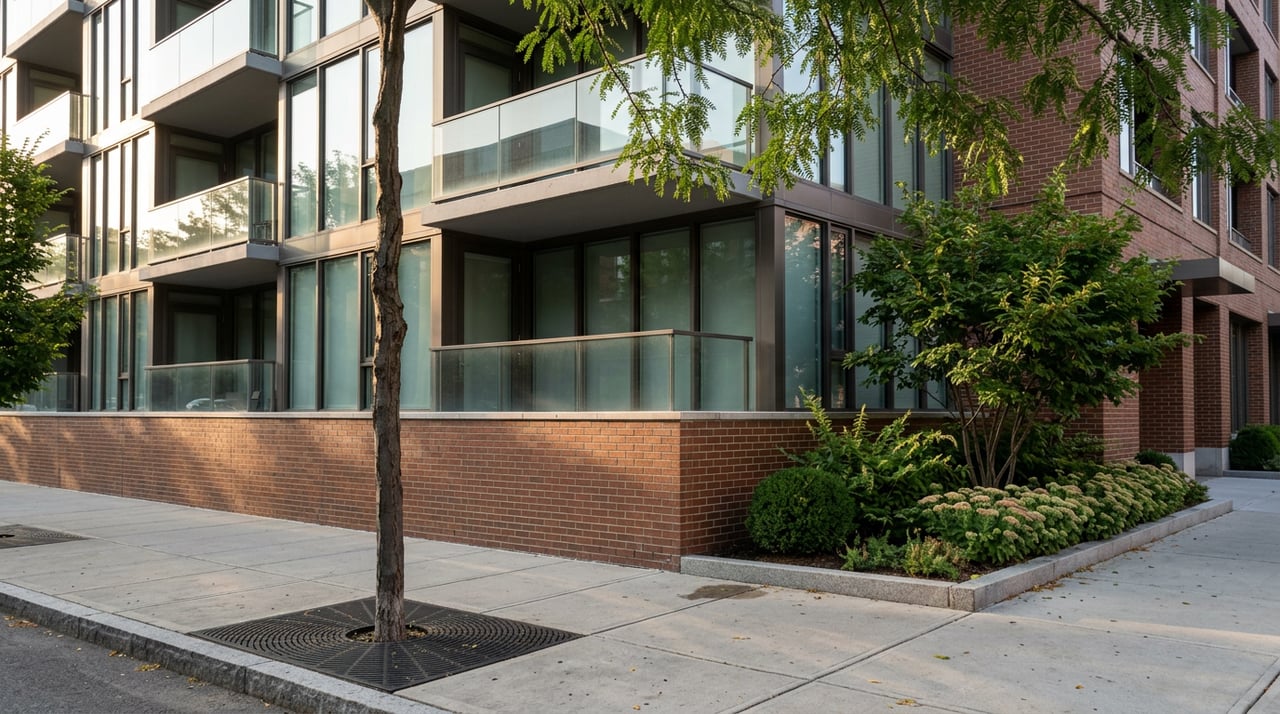
Condo buyers face a slightly different reading experience, since the inspection typically focuses on the unit itself while major building systems fall under the association's responsibility. When you review a condo report, it helps to pair it with the building's reserve study and association records so that you understand which findings are yours to manage and which belong to the larger property.
Local Considerations
- Older wiring systems in historic rowhouses may warrant an electrician's evaluation.
- Roof and gutter findings deserve attention because heavy summer storms put drainage systems to the test.
- Condo inspections cover the unit, so pairing the report with association documents completes the picture.
FAQs
What Is Considered a Major Issue on a Home Inspection Report?
A major issue is generally one that affects the structure, a critical system, or the habitability of the home, such as foundation movement, a failing roof, outdated or hazardous electrical components, or extensive water intrusion. Cosmetic findings and routine maintenance notes, while worth knowing about, are not usually considered major.
Should I Be Worried If the Report Has a Lot of Findings?
Not necessarily. Inspectors document everything they observe, including very minor items, so a lengthy report is often a sign of thoroughness rather than a troubled property. Reading the report with our team helps you separate the handful of items that truly matter from the many notes that are simply informational.
Can I Negotiate Repairs After Reading the Inspection Report?
Yes. In Washington, D.C., the inspection contingency period gives you a window to request repairs, ask for a credit, or renegotiate terms based on what the report reveals. The most effective approach is to prioritize significant findings and build a clear, reasonable request. We guide our clients through this step so that the ask is grounded in the report and positioned to keep the transaction moving.
Reading the Inspection Report With Confidence, Buying With Clarity in D.C.
A home inspection report is one of the most informative documents you will encounter during a purchase, and learning to read it changes the entire experience. That clarity matters even more in a real estate market like Washington, D.C., where historic homes, condos, and rowhouses each bring their own considerations to the forefront.
When you work with us, you never have to interpret that report alone. Our team will walk through the findings and build a smart plan for negotiations. If you are ready to buy a home in Washington, D.C., with a partner who makes every step clear, reach out to us at
The Tom Buerger Team, and we’ll guide you from inspection to keys in hand.