Same Block, Two Different Renovation Timelines: How Logan Circle's Historic District Line Actually Works
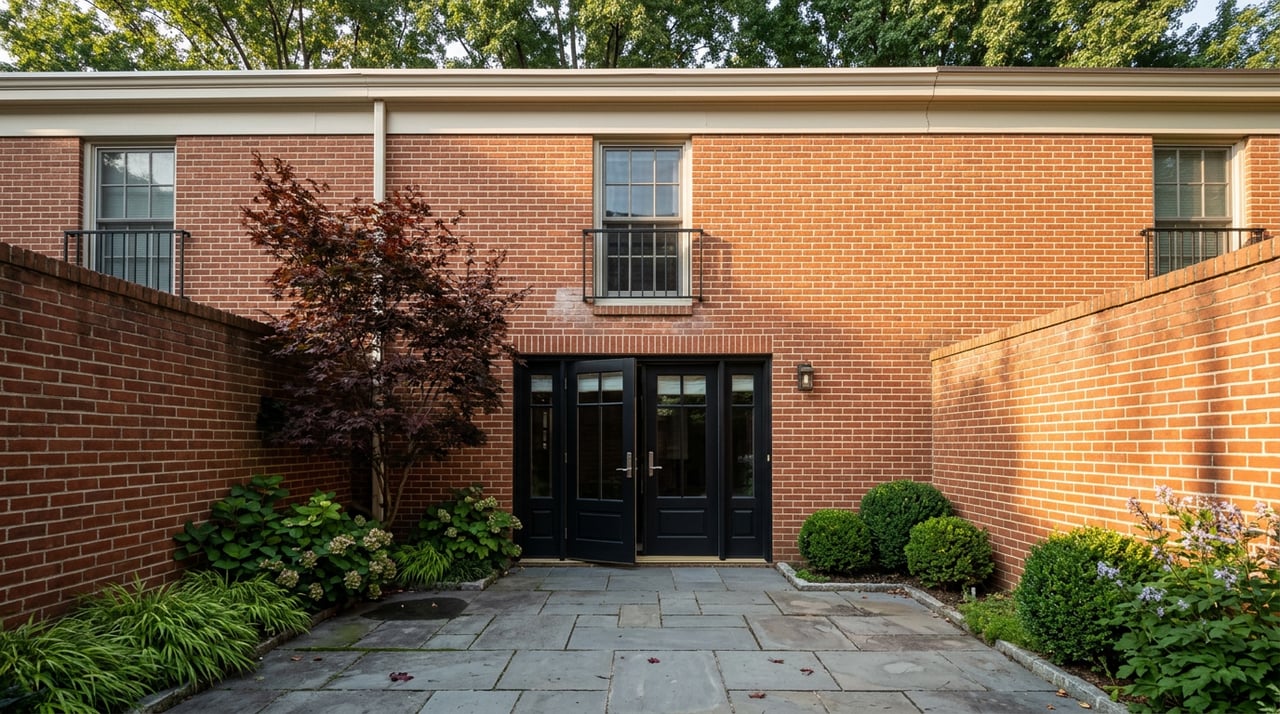
Picture two rowhouses on the same Logan Circle block, both built in the 1880s, both listed within a few weeks of each other at a similar price. One owner guts the kitchen, knocks down an interior wall, and adds a rear deck. Permits and inspections wrap in a matter of weeks. The other owner wants a small addition on top of the house. That same owner is still waiting on a hearing four months later, architect on retainer, contractor booked and rebooked.
Nothing about the sale price or the listing photos would have told either buyer which timeline they were signing up for. The difference lives in a boundary drawn in 1972, and in a distinction most buyers never think to ask about until they're already holding the keys.
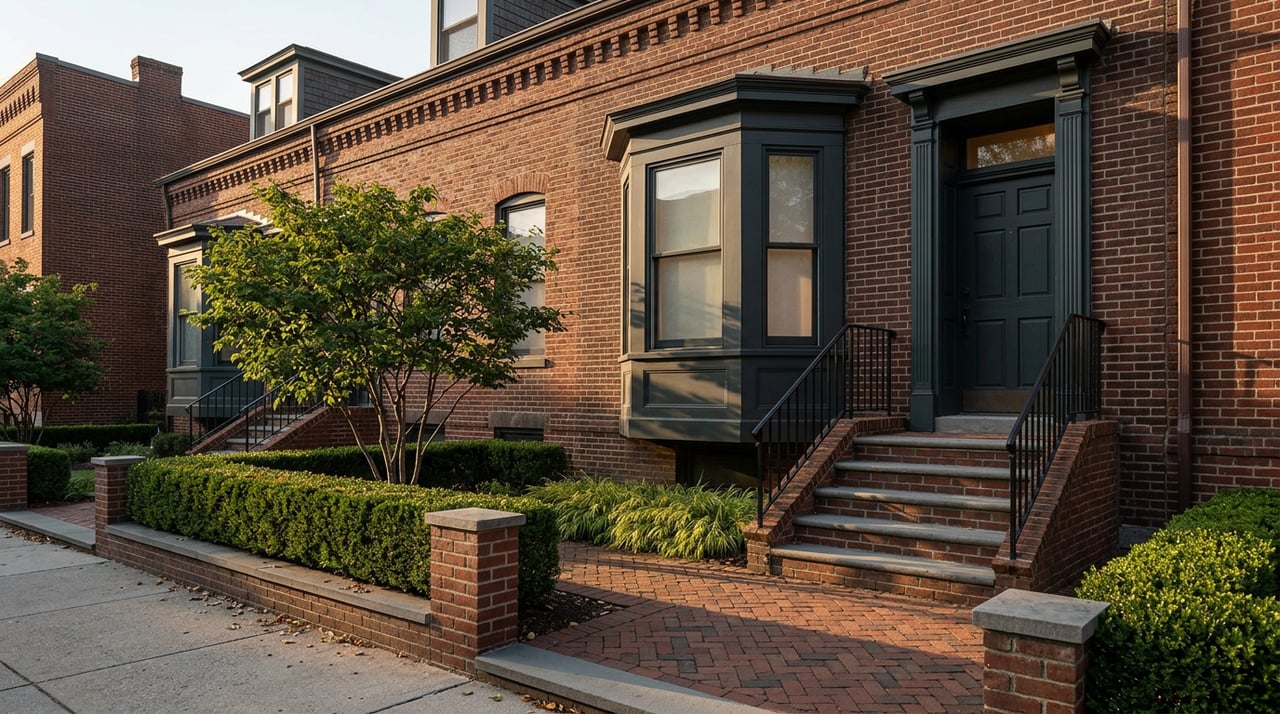
When an agent or a portal search says "Logan Circle," it usually means a stretch of Northwest DC that runs well past the actual circle, sweeping in newer condo buildings along 14th Street that were built decades after the neighborhood's Victorian core went up. The legally designated Logan Circle Historic District is a tighter footprint than that. It was designated in 1972, and its period of significance runs from 1875 to 1900, according to the DC Office of Planning. That's the era of the red brick bay-window rowhouses that define the neighborhood's postcard image.
Right next door sit two more named, separately designated historic districts: the Fourteenth Street Historic District and the Blagden Alley Naylor Court Historic District. All three overlap the area that gets casually lumped together as "Logan Circle" on a listing page. Which one your specific address sits inside, or whether it sits inside any of them at all, determines which set of rules applies to your renovation. A block-by-block check matters more here than in most DC neighborhoods, because the branding and the legal boundary genuinely diverge.
The Historic Preservation Review Board's authority is narrower than most new owners assume. Its jurisdiction covers work visible from the public right of way: the front facade, windows, the front door, the roofline, brick pointing on the street-facing wall. Interior work is generally untouched. You can gut a kitchen, refinish a basement, or open up a floor plan without HPRB ever entering the conversation, unless the change alters the exterior appearance of the building.
Two real Logan Circle renovation projects show how differently this plays out depending on scope. One project, completed by Ballard + Mensua Architecture, focused on opening the main living space by removing an interior dividing wall, adding a rear deck with a new French door system off the kitchen, and reworking bedroom suites for better closet space and bathrooms. That's a project that lives almost entirely inside the house and at the back of it, the parts of a rowhouse that draw the least scrutiny from a board whose mandate is protecting what the street sees.
Compare that to a different Logan Circle rowhouse renovated by EL Studio PLLC, which included a rooftop addition, an adaptable suite that converts between a home office and a guest room. A rooftop addition changes the roofline. The roofline is exactly what the historic district was created to protect. That's the kind of project virtually guaranteed to need a full hearing rather than a quick staff sign-off.
Same neighborhood, same era of house, two entirely different regulatory paths, and the reason has nothing to do with the address and everything to do with what the work touches.
The timeline gap between those two paths is not small. According to recent guidance from a DC design-build firm working across Logan Circle and neighboring historic districts, HPO staff review typically takes four to six weeks on its own. If a project is significant enough to require a full HPRB hearing rather than staff-level approval, that hearing process adds another six to twelve weeks on top of the staff review. Add it up and a straightforward exterior project can carry twelve to eighteen weeks of pre-construction regulatory time before a building permit application even goes in.
On the other end of the spectrum, the DC Office of Planning has said that the large majority of preservation permit applications, more than 95 percent by its own account, move through an expedited administrative process, with some approvals coming back within days when the submission is complete and clearly compatible with the district's guidelines.
That's the real spread a Logan Circle buyer needs to hold in their head: days on one end, four and a half months on the other, and the deciding factor is scope, not zip code.
There's a second wrinkle that catches buyers off guard, and it shows up in the price data itself. Real estate portals track a separately defined "Logan Circle Historic District" submarket distinct from the broader Logan Circle search area, and in February 2026 that specific submarket recorded a median sale price of $1.1 million, up 117.7 percent from a year earlier, on a total of eight home sales that month.
A jump like that isn't a sign the neighborhood suddenly repriced. It's a sign that eight sales is a tiny enough sample that one fully renovated Victorian closing alongside a couple of untouched originals can swing the reported median by six figures in either direction. When a market this size and this legally specific produces headline numbers like that, the number is telling you about sample size, not about appreciation. Pull the search radius back out to the informally branded "Logan Circle" that includes the newer 14th Street condo stock, and you're blending two different housing types and two different regulatory realities into one misleading average.
If you're comparing a listing's asking price to "the Logan Circle median," ask which boundary that median is actually drawing from. It rarely matches the boundary that will govern your own renovation.
A few things worth confirming before you write an offer on a Logan Circle rowhouse, especially if a renovation is part of your plan:
None of this makes Logan Circle a harder place to buy. It makes it a place where the fine print is doing more work than the listing photos let on, and where a buyer who asks the right question before closing saves themselves months of surprise later.
If you're weighing a Logan Circle rowhouse against options elsewhere in the District, or you already own one and are trying to figure out what a renovation timeline actually looks like before you list, The Tom Buerger Team has walked enough of these specific streets to help you separate the marketing boundary from the one that matters. We can also talk through how programs like Compass Concierge fit into a pre-listing renovation plan once you know which side of the historic line you're standing on. Search all homes with us and let's figure out which timeline you're actually working with.
Stay up to date on the latest real estate trends.
Simple Exterior Improvements That Help Your Bethesda Home Win Buyers Over From the Curb.

The Difference Between Wanting a Home and Being Ready to Win One: Pre-Approval in the D.C. Market.
First Impressions Move Buyers: The Details Buyers Notice First When Touring a D.C.-Area Home.

Smart Upgrades That Lower Bills and Raise Comfort in D.C. Homes.
Turn Your Outdoor Space in D.C. Into the Best Seat in the House.