Petworth's Price Dip Isn't a Warning Sign. It's a Construction Schedule.
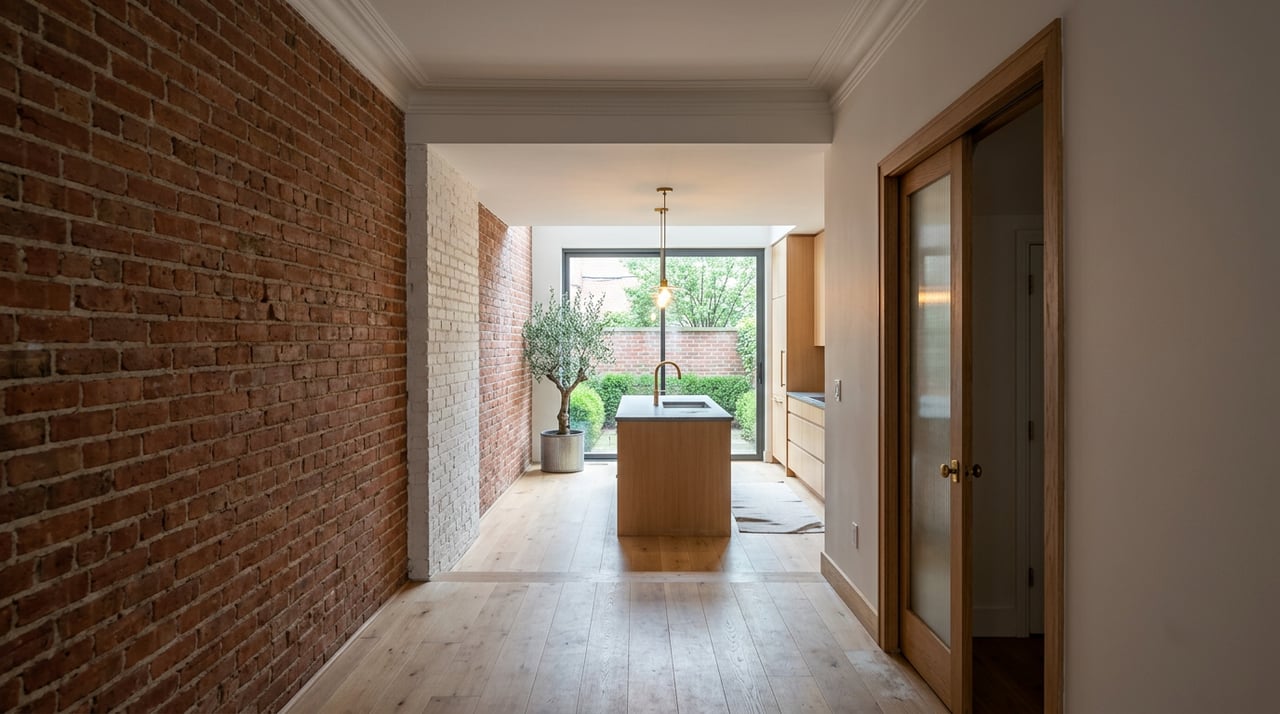
Petworth's median rowhouse price fell 7.7 percent in the twelve months ending January 2026, settling at $798,000. Read that number by itself and it sounds like a neighborhood losing steam. Read it next to what's happening six blocks north, where nearly $2 billion has already gone into the ground at the former Walter Reed Army Medical Center campus, and the story flips. Petworth isn't cooling off. It's absorbing the biggest supply shift the neighborhood has seen in a generation, and that shift is doing strange things to the numbers before it does anything to the neighborhood itself.
If you're shopping Petworth right now, the difference matters. One story tells you to wait for prices to keep sliding. The other tells you the market is repricing around new information, not retreating from old demand.
Petworth closed 140 rowhouse sales in the twelve months ending January 2026, per closed-sale data pulled from Bright MLS. The trailing median dropped from $836,000 in September 2025 to $798,000 by January, a five-month slide inside a twelve-month decline. Days on market stretched too, from a median of 18 days a year earlier to 25 days in the most recent window.
Here's the part that doesn't fit a decline story: the list-to-sale ratio held at 96.2 percent. Sellers who priced correctly were still getting nearly full asking price. That's not what a falling market looks like. In a falling market, sellers chase the price down and still take a haircut. In Petworth, well-priced rowhouses were still trading close to ask, just taking a little longer to get there and landing on a lower number to start.
Widen the lens and the gap gets more interesting. Over that same window, the DC-wide rowhouse median sat at $960,000, meaning Petworth traded about 17 percent below the citywide figure. That gap isn't new. Petworth has priced below the DC core for years. What changed is the shape of the comparable-sales pool feeding that median, and that shape is being redrawn by a project most Petworth buyers have never toured.
The Parks at Walter Reed sits on 66 acres along Petworth's northern edge, and as of mid-2026 it's about 70 percent complete, with roughly $2 billion in development already delivered and close to 2,000 housing units built or under construction. The retail build-out includes a Whole Foods, a Starbucks, Charmery Ice Cream, Juneberry Garage, nailsaloon, and Cantina Paraíso, with a Slice & Pie location still to come.
In June 2026, Mayor Muriel Bowser and community members broke ground on the project's newest phase, Canopy Row, which will bring 141 family-sized homes to the site: 47 traditional townhomes and 94 stacked units ranging from two to four bedrooms, with twelve homes reserved for households earning at or below 80 percent of the area's median family income. Construction is set to run through 2028, built by Urban Atlantic Development, NV Homes, and Triden Development Group.
At the groundbreaking, Bowser put the two-decade arc in one line:
"We didn't just redevelop a campus, we built a neighborhood."
That's the mechanism worth understanding if you're pricing a home nearby. Every new unit that closes at Walter Reed enters the same broad dataset that Petworth's rowhouse comps get pulled from. New construction prices differently than a 1920s Cafritz-built rowhouse three blocks away, and appraisers and algorithms alike have to decide how much weight to give a brand-new stacked unit sitting next to a century-old brick row. When that mix shifts fast, as it's doing right now, the blended median moves even if nothing about demand for the older housing stock has changed.
There's a second layer here. Bright MLS reported that the Washington metro started 2026 with active listings up 18 percent year over year, and by early spring the region had settled into a more balanced market, with detached homes and rowhouses generally outperforming a softer condo segment. Petworth is overwhelmingly a rowhouse neighborhood, which means it's exposed to that split differently than condo-heavy corridors nearby.
Zillow's most recent read, updated at the end of July 2026, put Petworth's average home value at $639,834, down 1.3 percent over the prior year, with homes going pending in about 42 days. That figure covers every property type in one blended average, which is a different measurement than the rowhouse-only median from the Bright MLS tracker. Both point the same direction. Neither is measuring the same thing. That distinction trips up a lot of people comparing numbers across sites, because a whole-market average and a rowhouse-specific median will never move in lockstep, especially with this much new product entering the pipeline at once.
Here's how the two windows line up side by side:
| Metric | Petworth rowhouses (12 mo. ending Jan 2026) | DC-wide rowhouses (same window) |
|---|---|---|
| Median sale price | $798,000 | $960,000 |
| Median days on market | 25 | citywide figure not isolated by Bright MLS in this release |
| List-to-sale ratio | 96.2% | not isolated in this release |
| Year-over-year change | down 7.7% | regional trend: rowhouses outperforming condos |
None of this means Petworth is a bargain hunt or a risk. It means the number on the listing page is doing more work than it looks like, and reading it correctly takes a little more care than usual this year.
A few things worth keeping in mind while you're touring:
The Georgia Avenue-Petworth Metro stop hasn't moved, the Upshur Street corridor hasn't thinned out, and the fundamentals that made Petworth attractive before this construction cycle started are still there. What's changed is the data you're reading, not the neighborhood underneath it.
If you're trying to make sense of what a specific Petworth listing's price actually reflects, that's exactly the kind of read we spend our time on. The Tom Buerger Team works Petworth and the rest of the DC-Maryland-Virginia market every week, and we'd rather walk you through the comps ourselves than let a blended average make the decision for you. You can start by browsing current listings in the Petworth neighborhood guide, or reach out and we'll walk the numbers with you block by block.
Stay up to date on the latest real estate trends.
Simple Exterior Improvements That Help Your Bethesda Home Win Buyers Over From the Curb.

The Difference Between Wanting a Home and Being Ready to Win One: Pre-Approval in the D.C. Market.
First Impressions Move Buyers: The Details Buyers Notice First When Touring a D.C.-Area Home.

Smart Upgrades That Lower Bills and Raise Comfort in D.C. Homes.