By The Tom Buerger Team
When you walk into a home that feels right, you know it instantly. The furniture, the color palette, and the way light moves across a room — everything speaks the same language. What you are responding to is a defined interior design style. Once you can recognize this, decorating your Washington, D.C., home becomes far less overwhelming and a lot more enjoyable.
If you have ever scrolled through listing photos, saved a dozen inspiration images, and still felt unsure how to pull it all together, you are in good company. Most people are drawn to several looks at once, which makes narrowing things down feel like guesswork. The good news is that interior design styles follow recognizable patterns, and learning those patterns gives you a vocabulary to describe exactly what you want.
This guide breaks down the most popular interior design styles, shows you how to identify the one that fits your taste, and explains how to match a look to the architecture of your D.C. home. Whether you own a Capitol Hill rowhouse, a Georgetown Federal, or a sleek condo along the waterfront, the right style will make your space feel intentional and unmistakably yours.
Key Takeaways
- Interior design styles are defined by consistent choices in color, materials, furniture shape, and overall ambiance.
- Identifying what you already love is the fastest way to name your personal style.
- The architecture of your home should inform which styles will feel natural rather than forced.
- You can combine two complementary styles as long as you keep a shared color palette and a consistent level of formality.
The Most Popular Interior Design Styles, Defined
Before you can find your style, it helps to understand the major categories that designers reference again and again. Each one carries a distinct feeling, driven by specific materials, silhouettes, and color choices. Once you recognize these, you will start spotting them everywhere, from magazine spreads to the homes of people you visit.
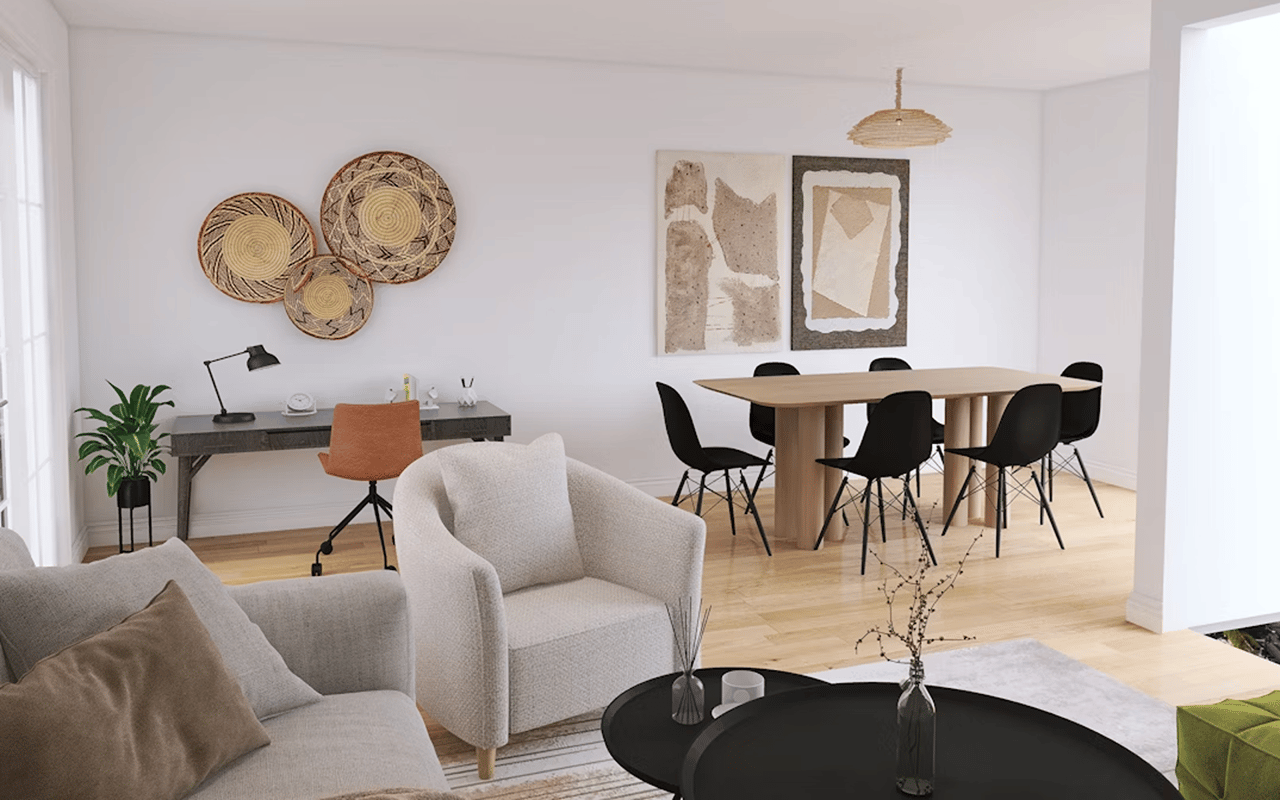
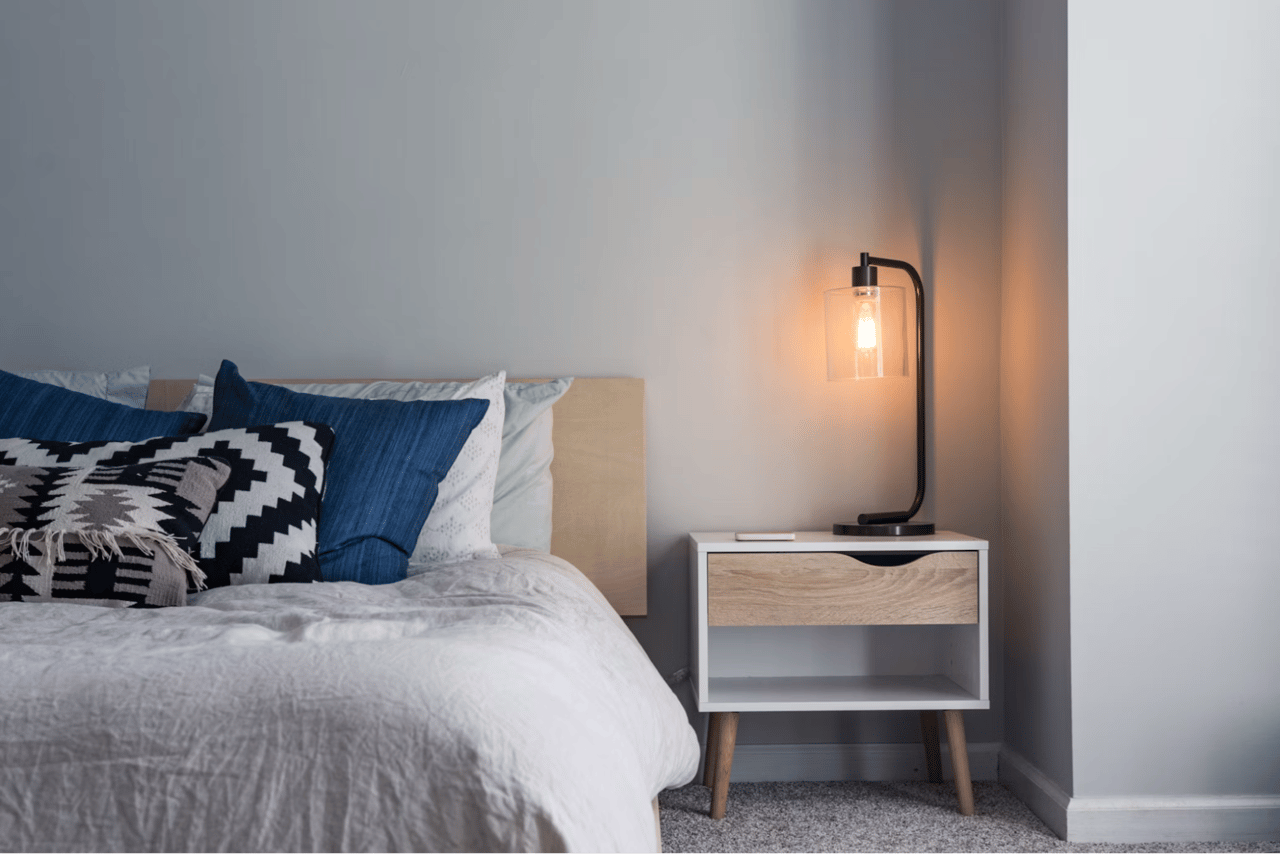
Modern and contemporary styles lean on clean lines, open space, and a restrained palette. Traditional style, by contrast, celebrates symmetry, rich woods, and classic detailing that feels timeless and grounded. Transitional style sits comfortably in the middle, pairing the warmth of traditional pieces with the simplicity of modern ones. Then, there are the more expressive looks, such as mid-century modern with its warm woods and tapered legs, or industrial style with its exposed brick and metal accents.
Understanding these categories matters because each one behaves differently in a real home. A style that photographs beautifully in a sun-drenched loft may feel cold in a narrow rowhouse, while a cozy traditional palette might overwhelm a compact condo. Knowing the defining traits helps you predict how a look will translate into the space you actually live in.
Styles Worth Knowing
- Modern style favors sleek surfaces, neutral tones, and furniture with simple geometric shapes.
- Traditional style relies on symmetry, detailed millwork, and warm, layered fabrics.
- Transitional style pairs the comfort of classic pieces with the clean edges of modern design.
- Mid-century modern is defined by organic curves, tapered legs, and a warm retro palette.
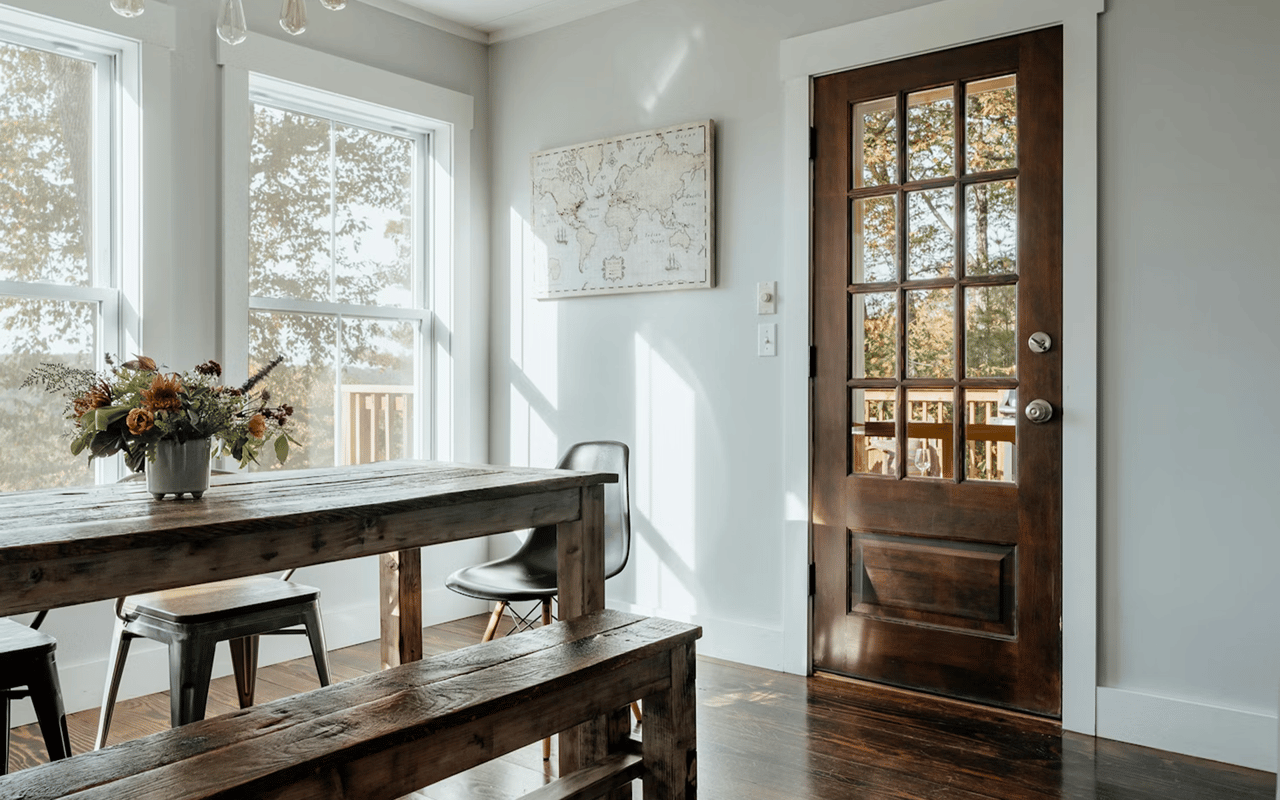
- Industrial style highlights raw materials, such as exposed brick, concrete, and blackened metal.
- Coastal style brings in light woods, airy fabrics, and a soft, sunlit color scheme.
How to Identify the Style You Actually Love
The most reliable way to find your interior design style is to study what already attracts you. Pull up the images you have saved over the past year and look for patterns rather than individual pieces. You may notice that nearly every room you love has white walls or that you consistently gravitate toward warm wood tones and low-slung furniture. Those repeated choices are your style revealing itself.
Pay attention to how a room makes you feel, not just how it looks. Some people are energized by bright, minimal spaces, while others feel most at ease surrounded by texture, pattern, and warmth. There is no correct answer here; the goal is to match your surroundings to the way you want to live day to day. If you host guests often, you may want a layout that encourages conversation. If you work from home, you may prioritize calm and focus.
It also helps to separate what you admire from what you would actually live in. A dramatic, high-contrast room can be stunning in a photograph but exhausting in real life. As you sort through your favorites, ask yourself which spaces you could see yourself relaxing in on a quiet evening. That question tends to cut through the noise quickly.
Questions To Ask Yourself
- Which colors appear most often in the images you save and return to.
- Whether you feel more at ease in open, minimal rooms or layered, textured ones.
- How you use your main living spaces, whether for entertaining, working, or unwinding.
- What existing pieces you own and love enough to build a room around.
- Whether you prefer a formal, polished look or something relaxed and lived-in.
Matching a Style to Your Home's Architecture
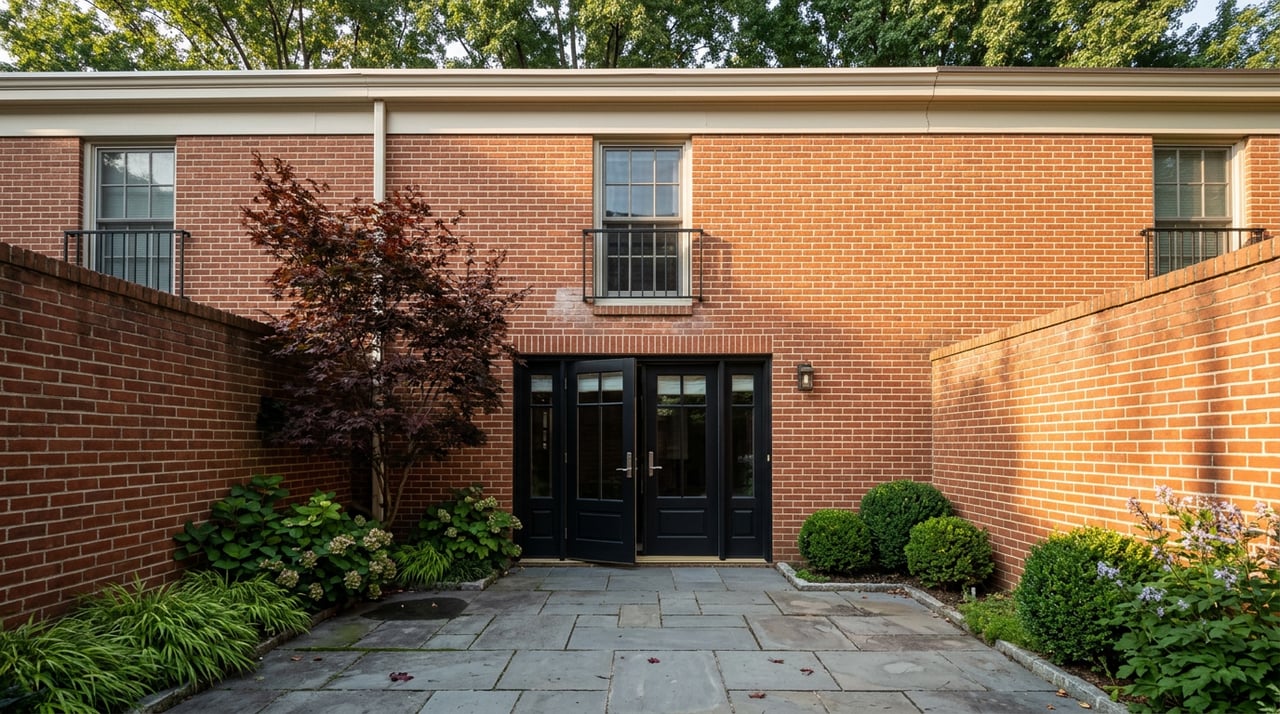
A fantastic interior design style works with the bones of your home rather than against them. Washington, D.C., offers an unusually rich mix of architecture, from historic Federal and Victorian rowhouses to Colonial Revival single-family homes and modern glass condominiums. Each of these carries architectural cues that certain styles complement beautifully.
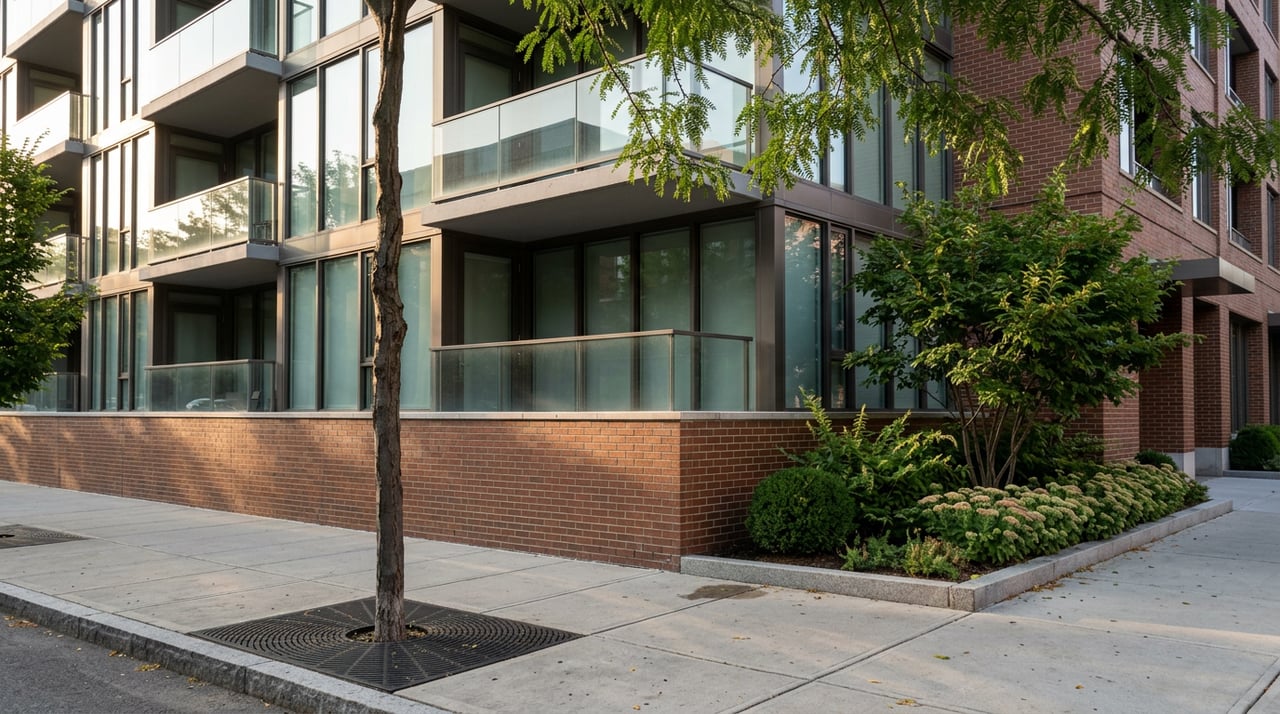
A Capitol Hill or Georgetown rowhouse, with its tall windows, original moldings, and narrow proportions, often shines with traditional or transitional furnishings that honor its period detailing. A mid-century or contemporary approach can work too, so long as you let the architecture breathe rather than covering it up. On the other end of the spectrum, a new-construction condo with an open floor plan and floor-to-ceiling glass is a natural home for modern and industrial looks that celebrate light and clean geometry.
The lesson here is not that you must match your style to your era exactly. Plenty of gorgeous homes pair a classic shell with fresh, current furnishings. The key is to make the pairing feel deliberate. When your furniture and finishes acknowledge the architecture, the whole space reads as cohesive rather than accidental.
What To Consider About Your Space
- The age and architectural period of your home and its original detailing.
- The amount of natural light each room receives throughout the day.
- The scale of your rooms and how furniture proportions will fit within them.
- The flow between spaces, particularly in open-plan condos and townhomes.
- Any permanent features, such as fireplaces, built-ins, or exposed brick, that a style should highlight.
FAQs
What Is the Most Popular Interior Design Style Right Now?
Transitional style continues to be one of the most requested looks because it balances the warmth of traditional design with the simplicity of modern spaces. It appeals to a wide range of tastes and adapts easily to different homes, which makes it a flexible choice for many D.C. homeowners.
How Do I Find My Personal Interior Design Style?
Start by collecting images of rooms you love and looking for repeated patterns in color, furniture shape, and mood. Those recurring choices point directly to your personal style. From there, consider how you actually use your space day to day, and let that practical reality guide your final direction.
Can I Combine Two Different Interior Design Styles?
Yes, and many beautiful homes do exactly that. The key is to unify the two styles with a shared color palette and a consistent level of formality. Choosing one dominant style and treating the second as an accent keeps the space feeling intentional rather than cluttered.
Does My Home's Architecture Limit My Design Style?
Your architecture should guide your choices, but it rarely locks you into a single option. Historic rowhouses and modern condos each lend themselves to certain looks, yet a thoughtful pairing of old and new can be striking. The goal is to make sure your furnishings work with the bones of the home rather than against them.
Design a Home That Feels Like You
Finding your interior design style is really about understanding how you want to live and then giving that vision a name. Once you can articulate the look you love, every decision that follows, from paint colors to furniture, becomes clearer and more confident. Your home should reflect your taste at a glance, and the right style makes that happen effortlessly.
The most rewarding part comes when your vision and your home align from the very beginning. Choosing a property that already supports the style you love saves you time, money, and second-guessing down the road. That is exactly the kind of insight that turns a good purchase into a home you never want to leave.
If you are ready to find a Washington, D.C., home that fits your style and your life, our team is here to help. At
The Tom Buerger Team, we will guide you through every step, from identifying the spaces that match your vision to making them truly your own.