By The Tom Buerger Team
Selling in the District means selling into one of the most rhythm-driven housing markets in the country, where federal hiring cycles, spring buyer surges, and neighborhood-by-neighborhood demand all shape your timeline. A Federal-style rowhouse on Capitol Hill and a Dupont Circle condo can call for entirely different strategies, even a few blocks apart.
The good news is that a seamless sale here comes down to preparation, timing, and pricing that reflects what District buyers are seeking. Whether you own in Georgetown, Petworth, or along the H Street corridor, the right plan helps you sell a home in Washington, D.C., with less stress and stronger offers.
Here is the playbook our team uses to help sellers move confidently from listing to closing in the Washington, D.C., real estate market.
Key Takeaways
- Spring and early fall tend to bring the most active buyers to the Washington, D.C., real estate market.
- Prepping a D.C. rowhouse or condo often means small, targeted updates rather than full renovations.
- Pricing to comparable sales in your specific neighborhood matters more than market-wide averages.
When Is the Best Time to Sell a Home in Washington, D.C.?
The most rewarding window to sell a home in Washington, D.C., is typically spring and early fall, when buyer demand peaks across the District. Spring brings relocating professionals and buyers hoping to close before summer, while September and October catch those who waited out the August slowdown.
That said, the D.C. market is less seasonal than most, thanks to steady demand from professionals who move on their own cycles. A well-priced Capitol Hill or Logan Circle home can attract serious interest even in winter.
What To Consider With Timing
- Spring listings often see more showings and competing offers in Washington, D.C.
- Economic nuances can bring waves of relocating buyers to the District.
- Condo demand near Metro stops stays fairly steady year-round.
How Do You Prepare a D.C. Home for the Market?
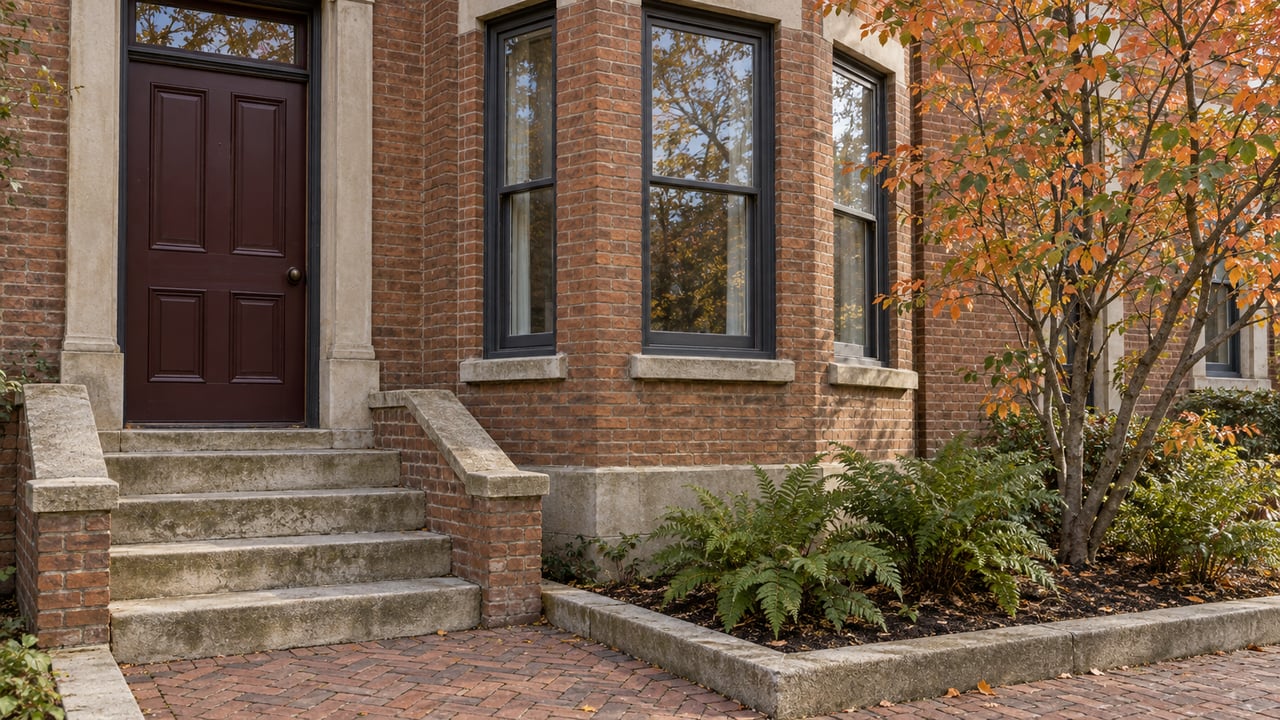
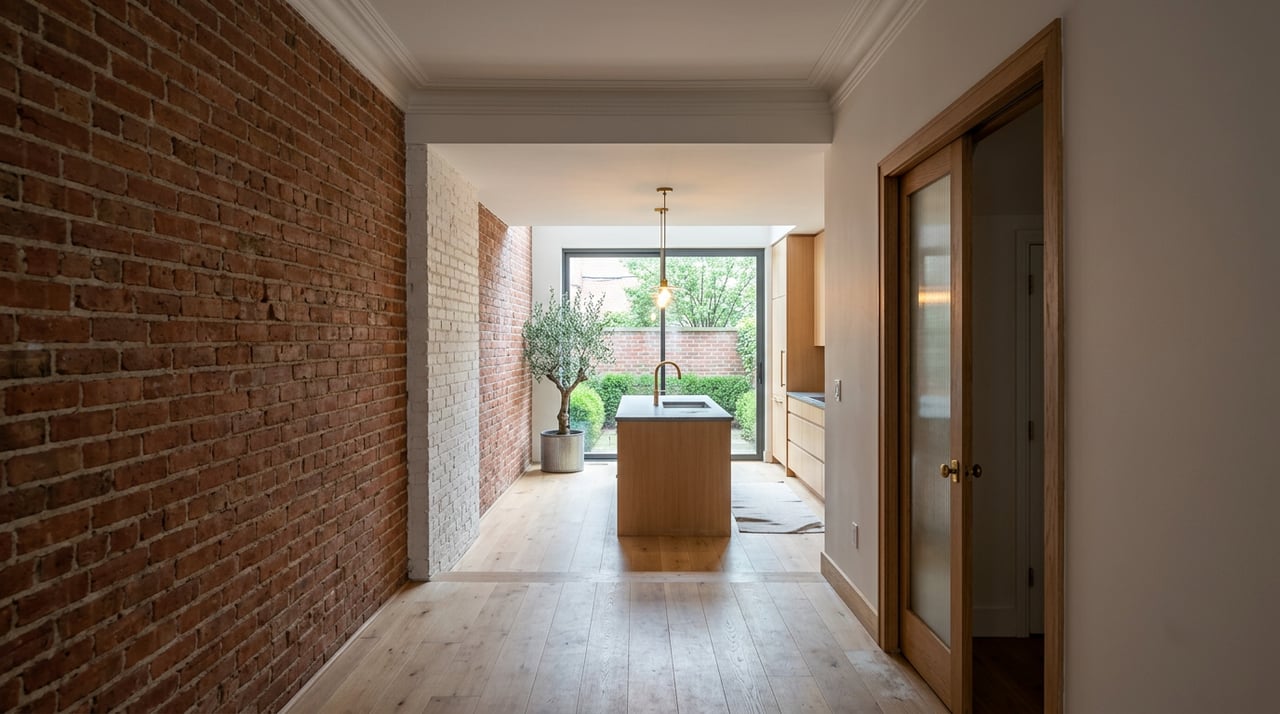
Preparing a D.C. home to sell usually means clean, targeted improvements that highlight original character while feeling move-in ready. Many buyers here are drawn to historic details like exposed brick, bay windows, and hardwood floors, so the goal is to let those features shine.
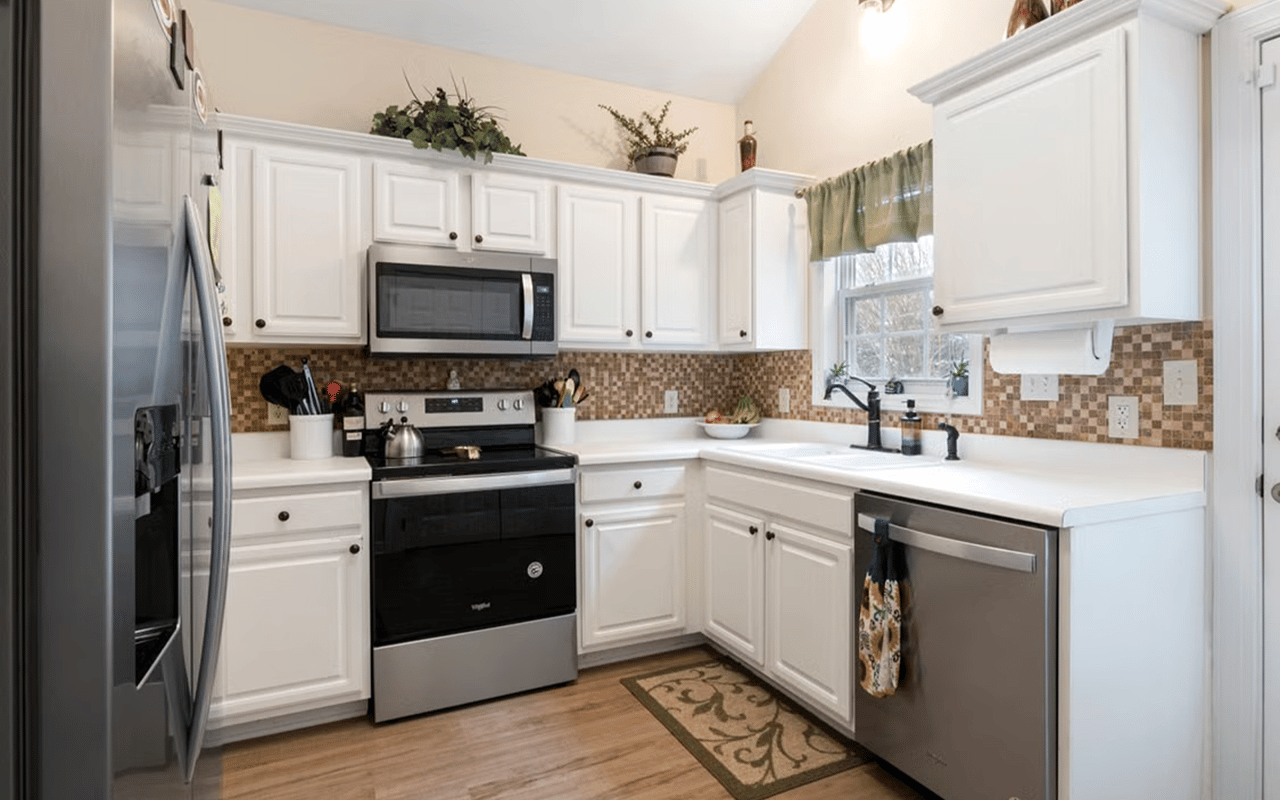
For rowhouses, decluttering narrow layouts and maximizing natural light make a notable difference. For condos, fresh paint, updated fixtures, and a tidy entry can lift perceived value without a major remodel.
Our team will help you decide where to invest and where to hold back, so your preparation budget goes toward the updates District buyers reward most strongly.
Where To Focus Before Listing
- Refresh the paint in neutral tones that suit historic Washington, D.C., homes.
- Highlight original woodwork, mantels, and windows common in older rowhouses.
- Stage compact spaces to feel open, especially in condos near downtown.
How Do You Price a Home in Washington, D.C.?
Accurately pricing your home in Washington, D.C., means anchoring to recent sales in your exact neighborhood, not broad citywide numbers. A block in Shaw can perform very differently from one in Brookland, so hyperlocal comparables are the foundation of a smart and realistic list price.
Overpricing tends to stall listings, while a sharp, well-supported price point often invites competition. In a convenient, Metro-connected area, factors like outdoor space, parking, and proximity to transit can meaningfully shift value.
We build your pricing strategy around current District data and buyer behavior, so you list with confidence and have room to negotiate.
What Shapes Your List Price?
- Recent comparable sales within your specific D.C. neighborhood.
- Parking and outdoor space, which carry weight across Washington, D.C., homes.
- Convenient amenities and Metro access, both strong draws for local buyers.
FAQs
How Long Does It Take to Sell a Home in Washington, D.C.?
Most well-priced Washington, D.C., homes go under contract within a few weeks, though timelines vary by neighborhood and price point. Condos near the Metro and updated rowhouses in high-demand areas often move faster.
Do I Need to Make Repairs Before Selling in the District?
Not always, but addressing visible issues helps your D.C. home compete. Buyers here often expect functional systems and cosmetic polish, so small repairs and a clean presentation can protect your price and reduce negotiation friction later.
Should I Sell My D.C. Home Before Buying My Next One?
It depends on your finances and comfort with timing, and many District sellers coordinate both moves at once. We help you weigh options like sale contingencies or bridge strategies, so your transition through the Washington, D.C., real estate market stays smooth and streamlined.
Ready to Sell Your Home in Washington, D.C., With Confidence?
Selling a home in Washington, D.C., rewards sellers who prepare early, price to their specific neighborhood, and understand the District's unique costs from day one. With the right timing and presentation, you are ready for success.
Every block in the District tells its own story, and the strategy that works in Georgetown may look different from the one that works in Petworth or Eckington. That local nuance is exactly where the right guidance pays off.
When you are ready to make your move, our experts at
The Tom Buerger Team are here to help you sell your home in Washington, D.C., with a clear plan and steady support from list to close. Reach out to our team to talk through your goals and timeline.